Matt Hennie

Audio By Carbonatix
Independent Journalism in Phoenix Needs You
We need to raise $15,000 by August 9 to support the reporting our community depends on. Reader support keeps us independent and is playing a larger role in funding local journalism and shaping what comes next. If you believe independent local journalism matters, make a contribution today.
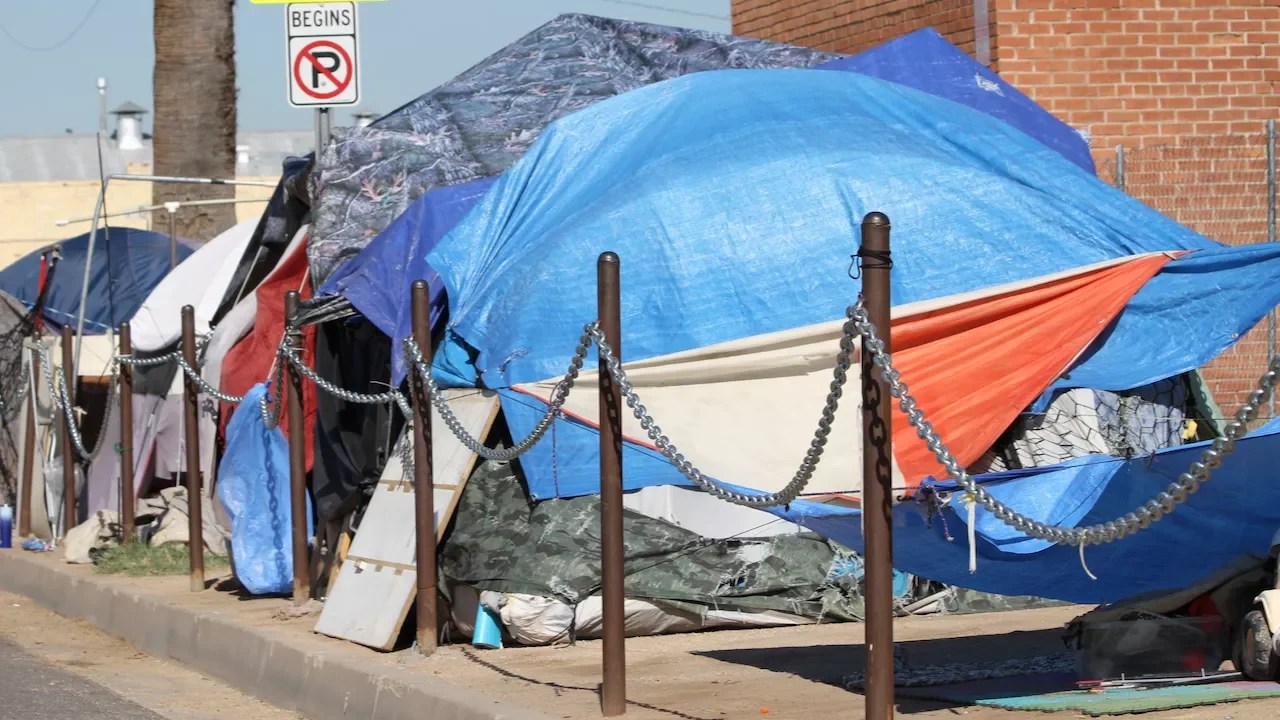
Arizona’s homelessness crisis is already bad. In Maricopa County, more than 9,700 people were unhoused when the last count was conducted in January, and some think that’s a significant underestimate. Housing remains largely unaffordable, and after the Supreme Court greenlighted it last year, cities have become more aggressive about criminalizing sleeping on the streets.
Now, thanks to policy changes from the Trump administration’s Department of Housing and Urban Development, homelessness advocates in the Valley are warning that the problem could get much, much worse.
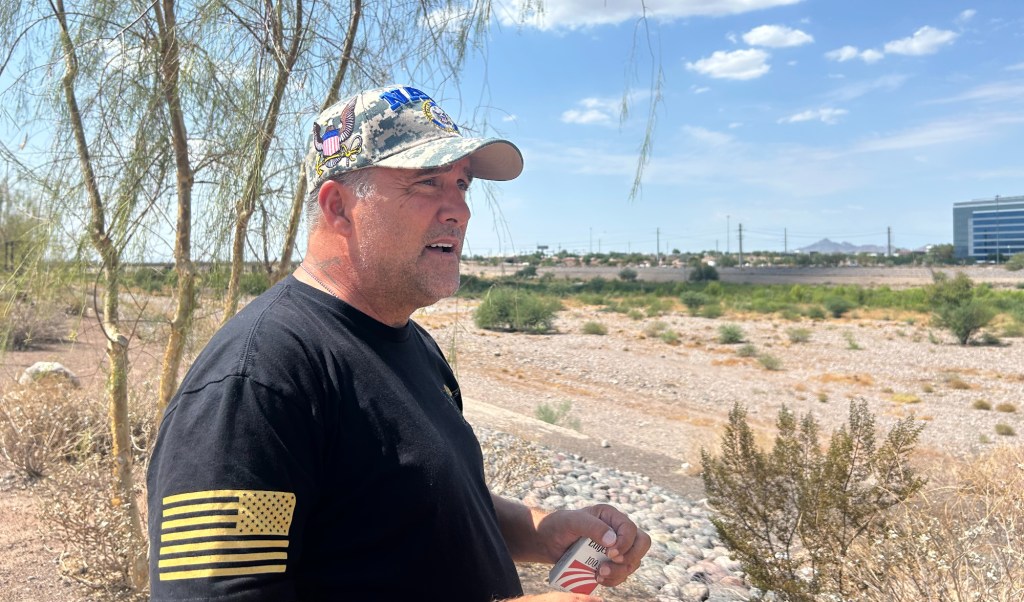
“The whole country is bracing for the biggest humanitarian crisis you’ve ever seen,” said Ben Jeffrey, a Navy veteran and homeless outreach specialist who was once unhoused. “You thought it was bad during the pandemic? We’re going back 20 or 25 years in time.”
HUD released its policy changes on Thursday. The changes drastically cut funding for permanent housing, and the money will be reallocated to addiction services and transitional housing. HUD will cut more than half of long-term housing support given to its Continuum of Care program, which delivers about $3.5 billion to local governments — including the Maricopa Association of Governments in the Valley — to distribute to nonprofits.
While few would argue against funding addiction services, Jeffrey said the shift reflects an ideological aversion to providing unhoused people with long-term support. Jeffrey believes that those cuts to long-term housing could cause a 35-50% increase in homelessness by February, when funding for the program runs out and the Department of Housing and Urban Development begins considering new applications. In Phoenix, that could mean roughly 3,500 to 5,000 more people on the streets.
“Why would you kill permanent supportive housing when it’s only about five percent of your budget and it’s the only viable solution we’ve had for the last 15 years to solve homelessness? It’s the only thing that works,” Jeffrey said. “It doesn’t make any sense.”
Jeffrey isn’t the only advocate sounding the alarm.
Kerwin Brown is the executive director of the Tanner Community Development Corporation, which is working to build a “veterans village” in South Phoenix that will provide long-term housing for former service members, along with access to other services such as job training and rehab programs. It’s hard to take advantage of those services if you don’t have the housing, he said.
“I truly believe that for those folks who have had some issues — especially with drugs or job training — it is difficult to completely work on yourself if you’re worried about when you have to move,” Brown said. “I don’t see any way that anyone can think about how to advance their situation if they don’t know where they are going to lay their head at night.”
He also expects the change in long-term housing funds to quickly “put more people out on the street” since losing housing makes it all the harder to regain it. “If you get evicted, that’s on your record,” he said. “Then no one is going to rent to you.”
Dr. Vaun Williams, the chief operating officer of Faithland Recovery Center in Peoria, agreed.
“Even if they put money towards mental health agencies such as my own, I don’t think it solves the fact that some people become homeless not because of a mental health issue — they just end up getting behind on their bills and the cost of living is so expensive,” Williams said. “They get to the point where they have no other option because our economy is so expensive right now. It’s multifaceted, and unless people all come together to help solve all of the issues, I don’t think just throwing money at treatment centers is going to solve homelessness.”
TJ L’Heureux
Rewarding punishment
Trump’s HUD also just released a Notice of Funding Opportunity, which is an application for receiving those funds. Its guidance emphasizes the need for drug treatment mandates, partnerships with law enforcement agencies (which could mean increased criminalization of homelessness) and a movement away from focusing on helping vulnerable groups like Native Americans or LGBTQ+ people.
“Where past NOFOs followed evidence-based housing strategy, this one embeds clear ideological expectations,” Jeffrey wrote on Facebook, arguing it “rewards punishment and penalizes compassion.”
In addition to Trump’s major cuts to long-term housing, when Congress passed a bill to fund the government that ended a record-breaking 43-day government shutdown, it eliminated a provision that allowed for homelessness programs to be automatically renewed for a year. Now, instead of avoiding bureaucratic red tape, programs must jump through hoops to continue receiving funding. That also increases the chances of that funding being rejected.
The National Alliance to End Homelessness projected that all these changes will cause delays in funding and will result in federal money being funneled toward groups that align with the Trump administration’s ideological tests.
“The Alliance anticipates that HUD will take a more stringent review of organizations that currently receive (Continuum of Care) Program funding, with penalties for any current or past activities associated with harm reduction practices, the facilitation or promotion of racial preferences, and/or failure to acknowledge the ‘sex binary in humans,’” the organization wrote.
Brown is particularly worried about the Trump administration cutting voucher programs that help veterans.
“We’re trying to do whatever we can to help get people fed, help people stay in the places they are, and do something to house and support the veteran community that has been done a disservice,” Brown said. “We’ll see what happens to (Housing and Urban Development and Veterans Affairs Supportive Housing) and the vouchers for the veterans, because that’s primarily how we put this plan together. If they minimize the amount of time veterans can use their vouchers, I’ll have to make arrangements and adjustments on how we handle that.”
Brown was also critical of HUD Secretary Scott Turner’s claims that the Biden administration’s funding of supportive housing was to blame for the homeless population rising since the coronavirus pandemic.
“It just doesn’t make any sense to me to figure that the homeless population has gone up because of the amount of money put into trying to reduce homelessness. I mean, come on,” Brown said. “These are supposed to be intelligent people. That type of an attitude is most dangerous, because if you really think that was the case and you don’t take into account everything that is causing the homeless population to increase, then you’re just allowing more people to be put on the street.”
Suffice to say, the Valley’s unhoused advocates don’t have much faith in the Trump administration’s commitment to end homelessness. Yet, they find themselves in desperate need of the money that only the federal government can provide.
As such, the reigning sentiment among several homelessness service professionals — a few of whom asked not to be quoted in interviews with New Times — is that the entire homelessness response system is fucked.
“I thought that they were going to slit the throat of the homeless response system and make us bleed out,” Jeffrey said. “But they’re not — they’re actually decapitating the entire system.”