
MysteryShot/Getty Images

Audio By Carbonatix
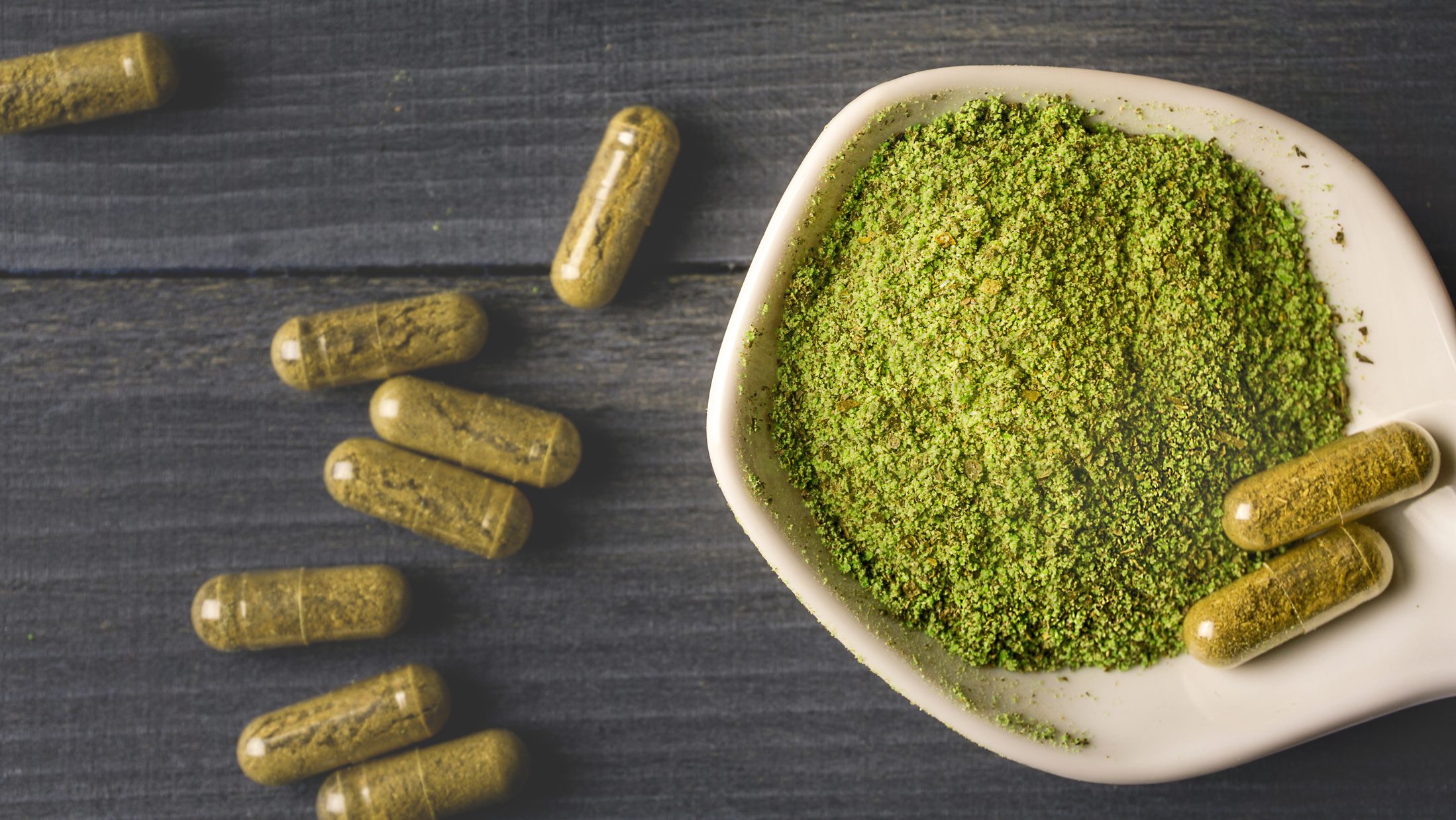
If you’ve driven past a Phoenix head shop or popped into a gas station, you’ve probably seen advertisements for kratom. Derived from a Southeast Asian tree, the substance has been used in herbal medicine for centuries and is now often sold — with little regulation — in powder or capsule form.
It’s also, many experts say, dangerous and too easy to obtain. While roughly 1.7 million people in the U.S. use kratom — some as a theoretically less addictive substitute for opioids — the Mayo Clinic calls the drug “unsafe and ineffective.” Kratom was almost banned nationally in 2016, when the Drug Enforcement Agency attempted to reclassify it as a Schedule 1 illicit drug, similar to heroin, LSD and marijuana. However, the DEA walked back that decision in the face of significant pushback from kratom users. The agency hasn’t attempted to ban kratom since.
A new survey, though, suggests Arizonans want something done to make kratom harder to get. The treatment center association Renaissance Recovery surveyed more than 3,000 U.S. residents about the drug and found a healthy appetite for banning it outright. Nationally, 43% of respondents wanted to see a kratom ban, including 37% of respondents in Arizona. Seventy-three percent of Arizonans believe that no one under 21 should be able to buy it, and 68% of people in the state think it shouldn’t be sold anywhere children might see it, such as at a gas station.
Arizona already regulates kratom to an extent, though those rules exist in a legal gray area. A 2019 state law established labeling requirements and banned shops from selling to buyers under the age of 18, but the law isn’t clear on who’s supposed to enforce it.
Though the DEA lists kratom as a “drug of concern,” the Renaissance Recovery survey found that 35% of Arizona respondents were largely unaware of it. “When asked how confident they are that parents truly understand what kratom is or how it works, only 15% said they were very confident,” the survey results read. On the other hand, 62% of respondents said they weren’t confident or thought “parents likely have no idea at all.”
There has been some momentum in banning a kratom variant, though. The 7-hydroxymitragynine variant, or 7-OH, popped up on the market in late 2023. Despite users often taking 7-OH to combat anxiety or get off of harder opioid drugs, the Food and Drug Administration earlier this year announced its intent to schedule 7-OH under the Controlled Substances Act. Officials signaled that they’d like the product to be classified as a Schedule I drug, which means it has no accepted medical use. Even kratom companies have supported the crackdown on 7-OH.
The scheduling recommendation is currently under review by the DEA, which will implement a public comment opportunity before making a final decision.