
Tambako The Jaguar/CC BY 2.0/Flickr

Audio By Carbonatix
Set your alarms, skywatchers. Arizona will see a total lunar eclipse in the predawn hours Tuesday, when March’s full moon turns a deep crimson.
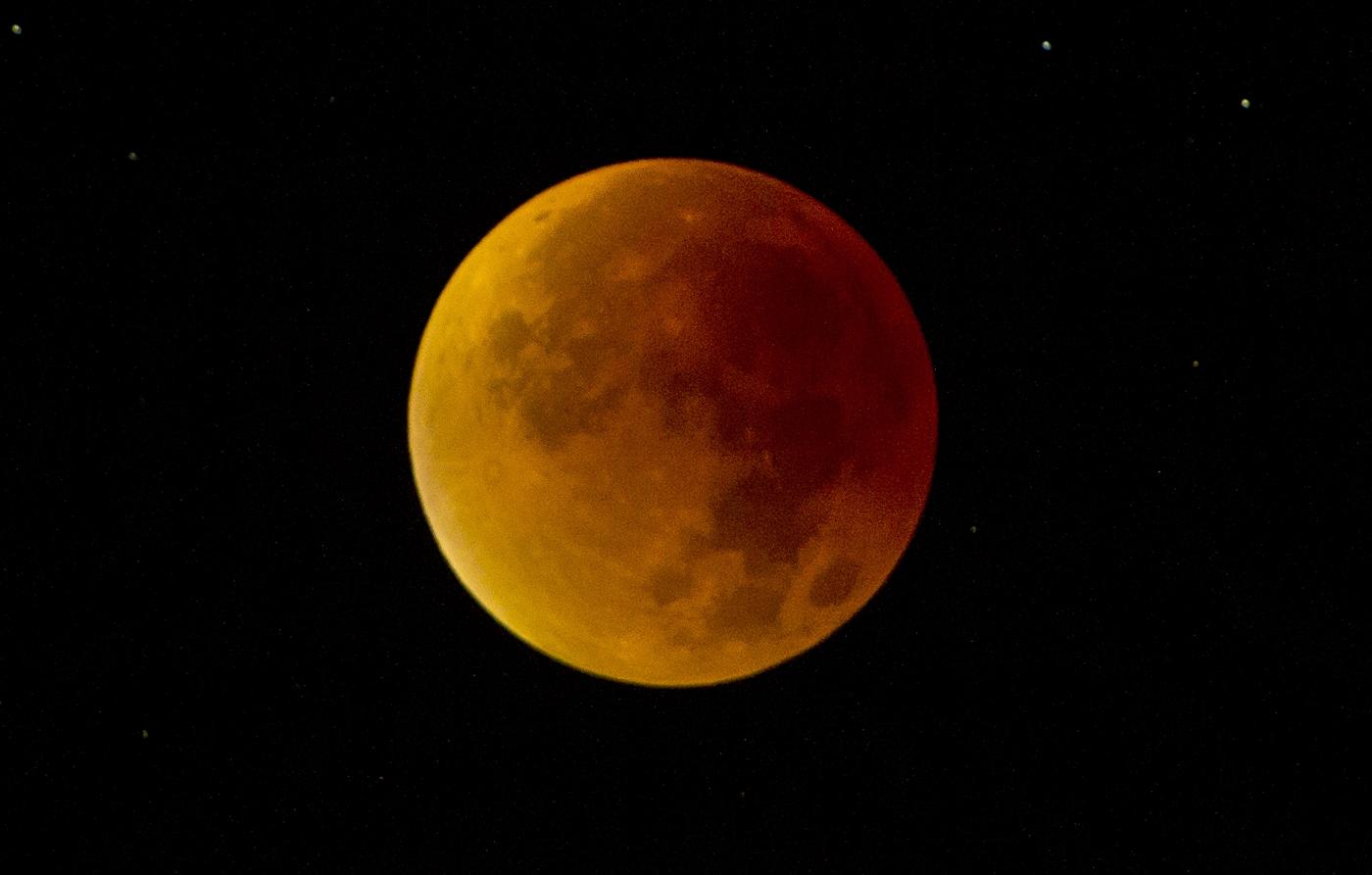
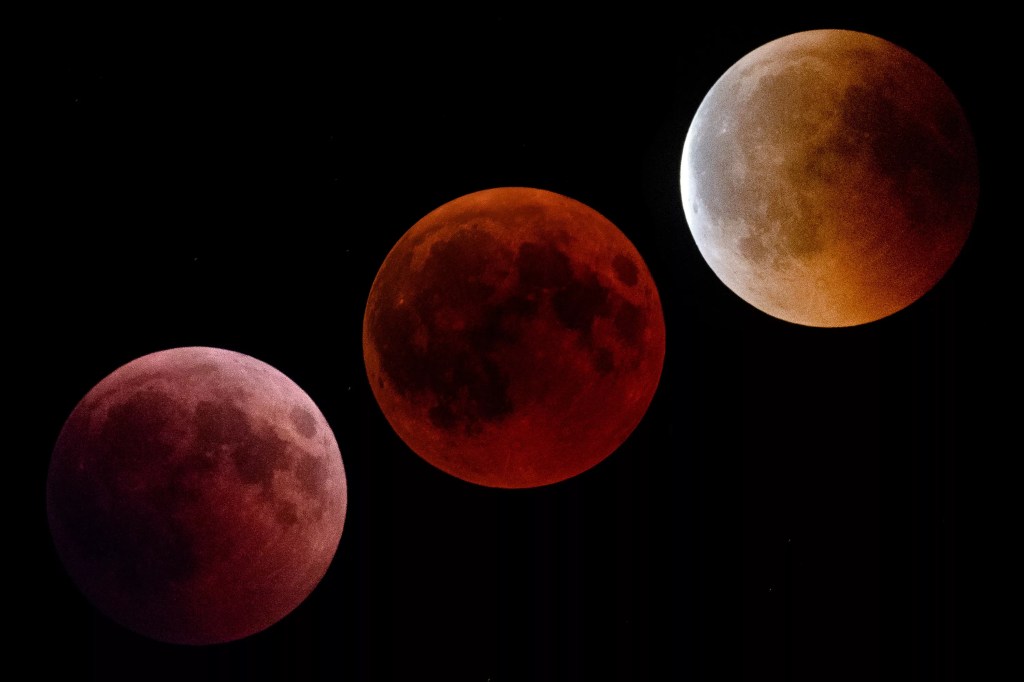
During the 2026 lunar eclipse on March 3, the moon will slip into Earth’s shadow and glow red, creating what’s known as a blood moon. The event will be visible statewide before sunrise.
Totality, the peak of the eclipse, lasts only a short time before the moon begins to brighten again. That brief window is your chance to see the blood moon at its deepest red.
If you’re hoping to witness the celestial spectacle, here’s when to see the total eclipse and the best time to see the blood moon in Arizona.
Bernd Thaller/CC BY 2.0/Flickr Creative Commons
Is there a lunar eclipse tonight?
Yes. A total lunar eclipse will occur before sunrise Tuesday, March 3, in Arizona.
What time is the total lunar eclipse?
The blood moon total lunar eclipse begins at 4:04 a.m. Arizona time Tuesday, according to the website Time and Date. Totality starts at 4:33 a.m. and ends at 5:02 a.m.
Where to look for the lunar eclipse
Look toward the western to southwestern sky before the eclipse begins. As totality unfolds, the moon will sit in the western sky. It sets at 6:58 a.m., after the eclipse concludes.
How long does the total lunar eclipse last?
Totality lasts 29 minutes, from 4:33 a.m. to 5:02 a.m., though the partial phases extend the overall eclipse longer.
Why does the moon turn red?
During a total lunar eclipse, Earth passes between the sun and the moon. Sunlight filters through Earth’s atmosphere, scattering shorter blue wavelengths while allowing longer red wavelengths to reach the moon. That filtered light gives the moon its deep red glow.
Why is it called a blood moon?
The term “blood moon” refers to the reddish color the moon takes on during totality. March’s full moon is also known as the Worm Moon.
How rare is a total lunar eclipse?
Total lunar eclipses happen about every one to two years, but visibility varies by location. The last total lunar eclipse occurred in March 2025.
Is this the only lunar eclipse in 2026?
No. A partial lunar eclipse will be visible in Arizona on Aug. 28.