
Lilach Mazor Power

Audio By Carbonatix
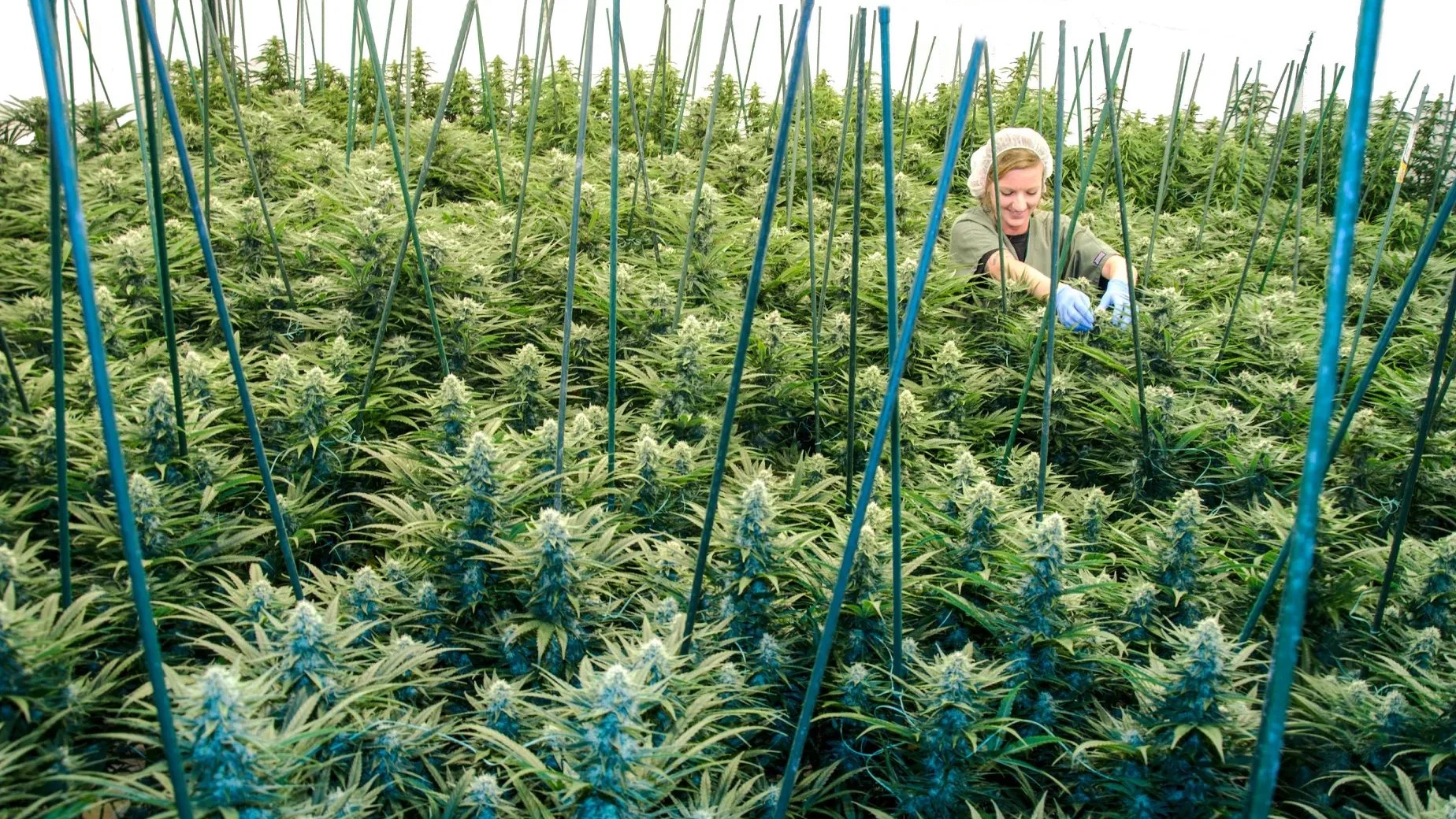
Despite widespread legalization at the state level, cannabis has been considered as dangerous as heroin and more dangerous than meth by the federal government for decades. But on Thursday, the Trump administration’s Department of Justice took a massive step to unshackle the drug from cumbersome federal regulation.
On Thursday morning, newly elevated acting Attorney General Todd Blanche signed an order to reclassify state-licensed medical marijuana from a Schedule I substance to a Schedule III substance, which includes drugs that have accepted medical uses and low to moderate potential for abuse, such as ketamine, anabolic steroids and Tylenol with codeine. Schedule I substances were considered to have no accepted medical use, but cannabis is now officially considered medicine by the federal government, despite being used as such by Arizona consumers for years.
“We’ve known it for a while,” Ann Torrez, the executive director of the Arizona Dispensaries Association, told Phoenix New Times, “and now the federal government can continue to support that as fact.”
A hearing also has been set for late June to start the process of reclassifying cannabis more broadly, beyond just medical weed. The federal government is still a long way away from descheduling and full legalization, but leaders in Arizona’s cannabis industry say it’s a step in the right direction. New Times spoke to three state cannabis industry leaders, who predicted that laxer regulations for medical cannabis will make it easier to research the drug and result in a major tax break for dispensaries.
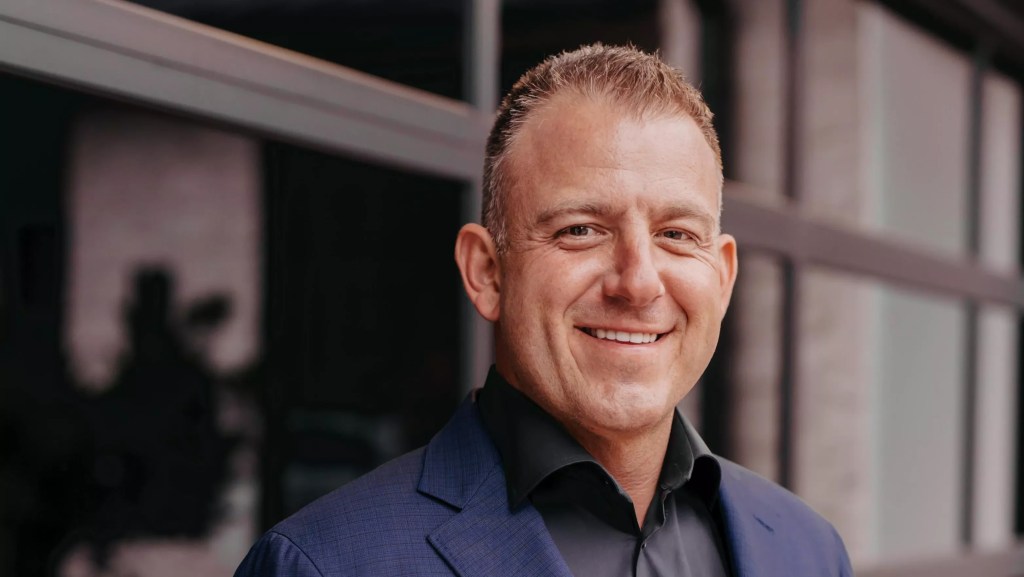
“It’s really the only advancement we’ve ever had at the federal level,” said Jason Vedadi, the CEO of Story Cannabis, which has 11 dispensaries in the state. “Arizona benefits, just like everybody else does.”
Rescheduling was already under consideration during the Biden administration, but the second Trump administration has offered measurable progress on that score.
For the last two years, lobbyists for Story Cannabis and around 10 multi-state dispensary operators have been working in a “coordinated effort” with White House staff to push for a marijuana scheduling change, Vedadi said. “It’s continual pressure that you have to keep applying,” he said. In December, President Donald Trump signed an executive order directing the DOJ to swiftly reclassify the plant, but it did little to change conditions on the ground.
Still, Trump wanted to “follow through with his promise on this issue,” Vedadi said. Thursday’s order was “the most he could do today, while he continued the process on the rest.”
Courtesy of Story Cannabis
What rescheduling means
As a result of rescheduling, research into cannabis at Arizona’s three public universities is expected to open up. Currently, all these institutions research cannabis in some way, but they face constant roadblocks and legal hurdles. Torrez and Demetri Downing, the founder and president of the Tempe-based Marijuana Industry Trade Association, said rescheduling will allow researchers to examine cannabis as a treatment for pain, medical conditions related to end-of-life care, autism, different types of cancer, depression, anxiety, ADHD and more.
Rescheduling also lifts a financial burden for cannabis businesses. To this point, dispensaries and other marijuana-related businesses couldn’t deduct business expenses because of Section 280E of the Internal Revenue Code, which prevents businesses that “traffic” Schedule I and II drugs from deducting expenses on their taxes. But now, companies can take that tax deduction on all medical sales, which account for about 20-25% of sales. Vedadi said that change — which he thinks could wind up being retroactive — could result in a cash-flow bump of 40-80%, or about $2.3 billion for the industry.
“You’re basically cutting taxes,” he added. “This domino starts to really impact these businesses in other ways, other than just a tax benefit. I do see a multitude of dominoes falling behind this.”
In an industry that has thin margins, complying with 280E has proven to be a constant speed bump. Vedadi forecasts lower weed prices for consumers and also an increase in banking accessibility for the weed industry. Many dispensaries are cash-only because banks don’t want to touch businesses that sell substances that are federally illegal. Now, Vedadi thinks, financial institutions may offer lower interest rates to cannabis businesses.
None of that takes effect immediately. (You’ll likely have to keep bringing some cash or your debit card to the dispensary for a while.) Leaders in the Arizona marijuana industry are still waiting for the kinks to be worked out to understand the true scope of this change. Business owners will have to “take a deep breath and wait for some of the clarification” of the rules, Torrez said. Downing added that “nobody knows exactly what it will mean.”
But, he told New Times, he’s encouraged by the future after decades of “this poor little medical substance, this herbal remedy,” getting caught in “not just the war on drugs, but the nonsensical brokenness of D.C.” Vedadi agreed. There are details to hash out and procedural hurdles left to clear, but he sees true momentum.
“The train has left the station to finish this,” Vedadi said.