
Tonia Graves

Audio By Carbonatix
Independent Journalism in Phoenix Needs You
We need to raise $15,000 by August 9 to support the reporting our community depends on. Reader support keeps us independent and is playing a larger role in funding local journalism and shaping what comes next. If you believe independent local journalism matters, make a contribution today.
Heads up, skywatchers. July’s full moon is happening this week when the Buck Moon rises in the sky just after sunset on the evening of Wednesday, July 29, in Arizona.
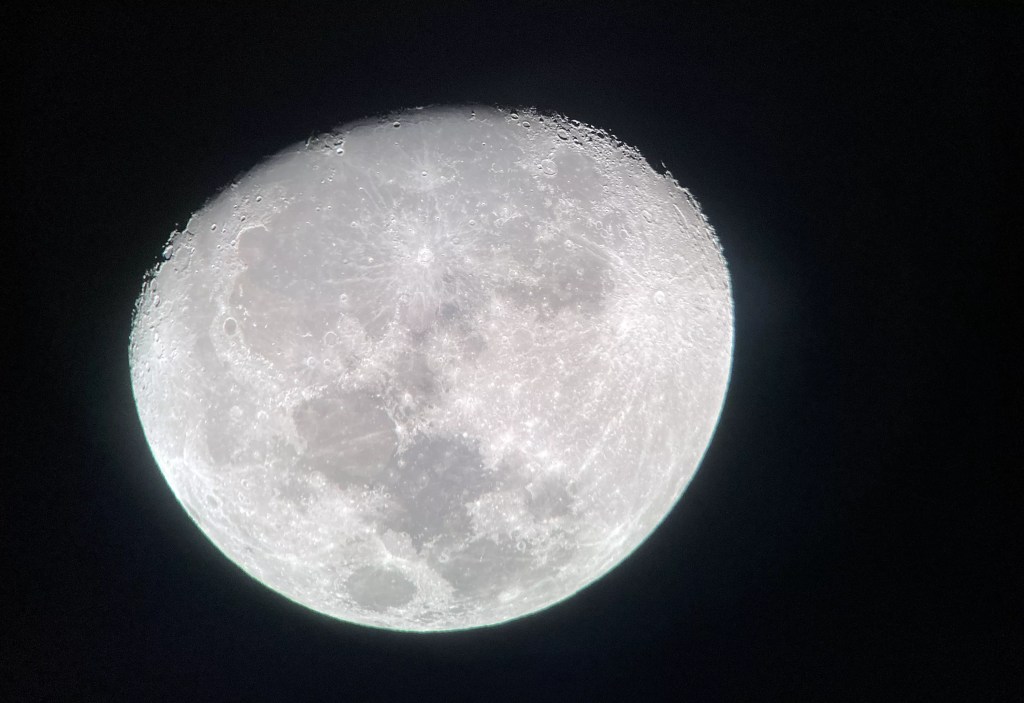
While July’s full moon isn’t an extraordinary event like a supermoon, it will still be a dazzling sight that will light up the nighttime skies.
Here’s when to see July’s full moon over Arizona and why it’s called the Buck Moon.
When is the next full moon?
The next full moon occurs on Wednesday, July 29, when the Buck Moon rises shortly after sunset.
What time will the full moon rise in Arizona?
The full moon will rise at 7:51 p.m. on Wednesday in the eastern or southeastern sky, according to the website Time and Date. It will slowly move south as it rises throughout the evening before reaching the southern sky just after midnight. The moon will set at 6:34 a.m. on Thursday morning.
Jim Palmer
Where to see the full moon in metro Phoenix
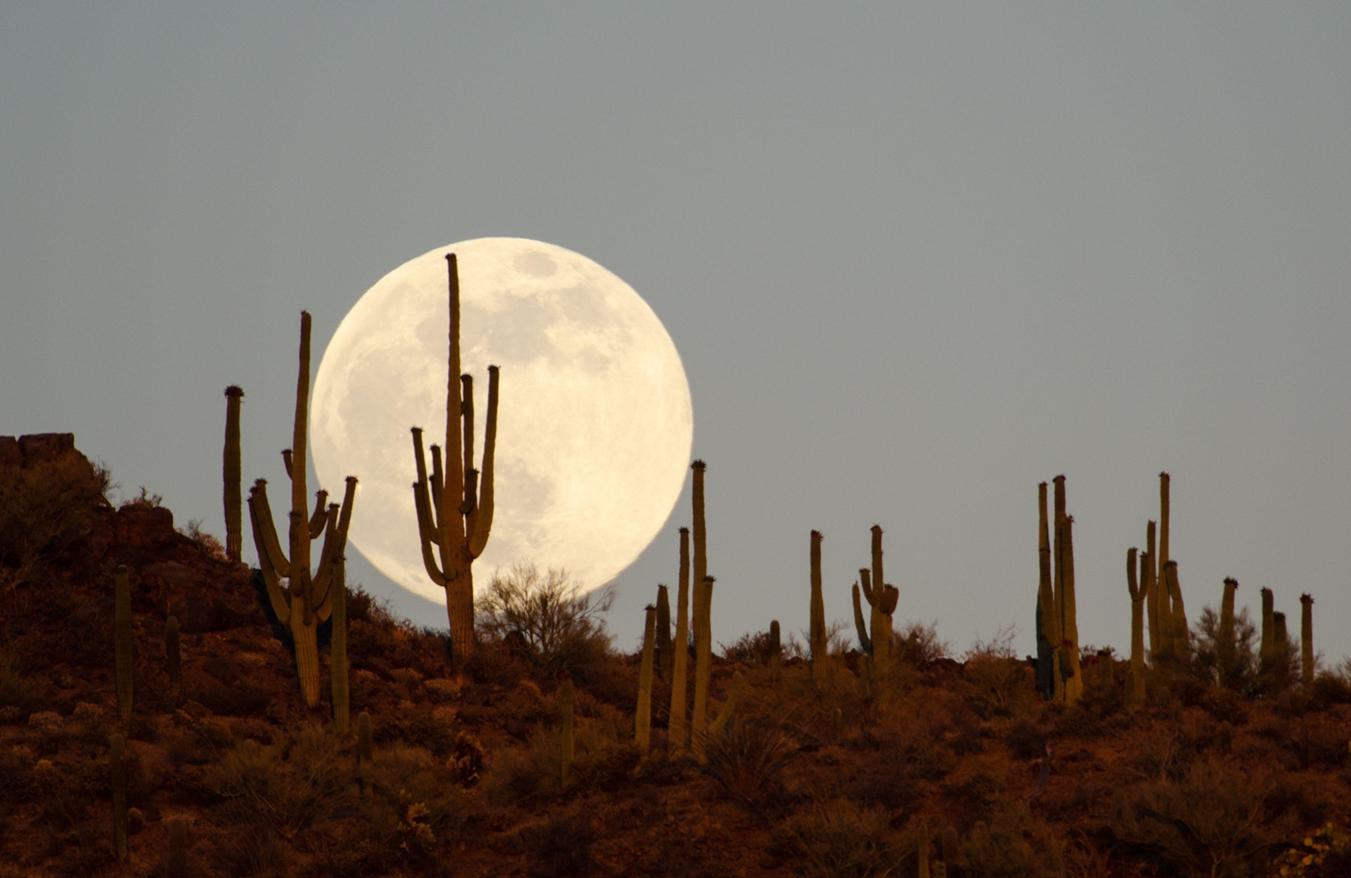
Skywatchers should seek out any location with an unobstructed view of the eastern or southeastern horizon, which should allow Arizona skywatchers to have ideal viewing of the moon as it rises.
Why does the moon appear big in the sky?
It’s because of the so-called “moon illusion,” and you can blame your brain for causing it. When the moon is low on the horizon, the human mind perceives it as being larger than when it reaches higher in the sky.
Why is July’s full moon called the Buck Moon?
July’s full moon is traditionally called the Buck Moon because male deer, or bucks, are growing new antlers during this time of year. By July, their antlers typically become more prominent.
The name is commonly associated with Algonquin traditions, though different Indigenous cultures have their own names for seasonal moons. Other monikers or nicknames for July’s full moon include the Thunder Moon, owing to summer storms, or the Hay Moon.
Is July’s full moon a supermoon?
No. A supermoon won’t occur again in 2026 until Nov. 24.
When are the full moons in 2026?
The remaining full moons of 2026 happen on Aug. 28, Sept. 26, Oct. 26, Nov. 24 and Dec. 23.