

Audio By Carbonatix
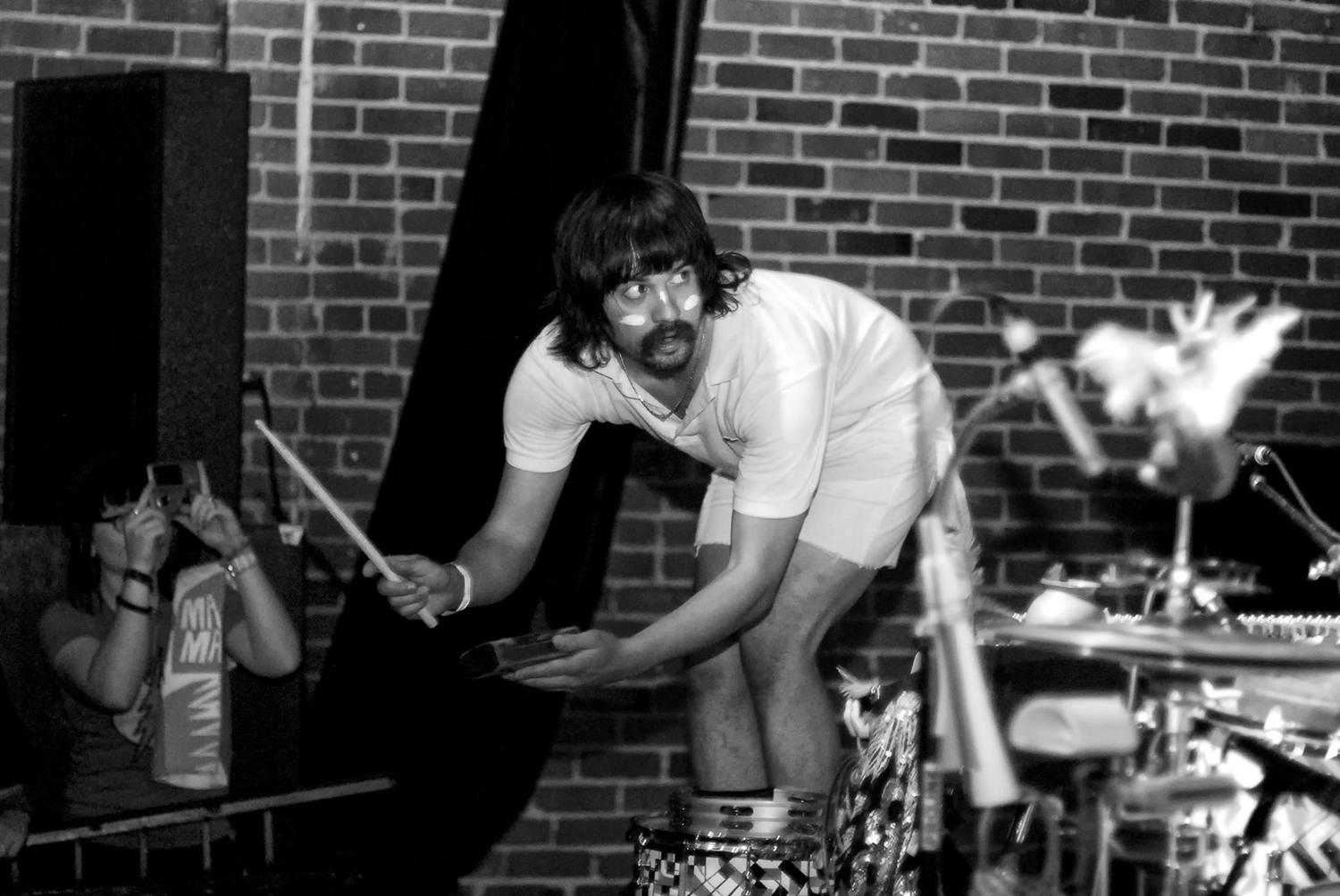
The Brickhouse peaked at the wrong time. Back in the early-to-mid-2000s, the now-defunct downtown Phoenix music venue was firing on all cylinders. Packed calendars. Crowded rooms. A steady churn of bands, rappers, DJs and local artists graced its stage.
The Brickhouse was a thriving art and music hub at a time just before downtown Phoenix was reinvented as a nightlife and live music destination in the 2010s.
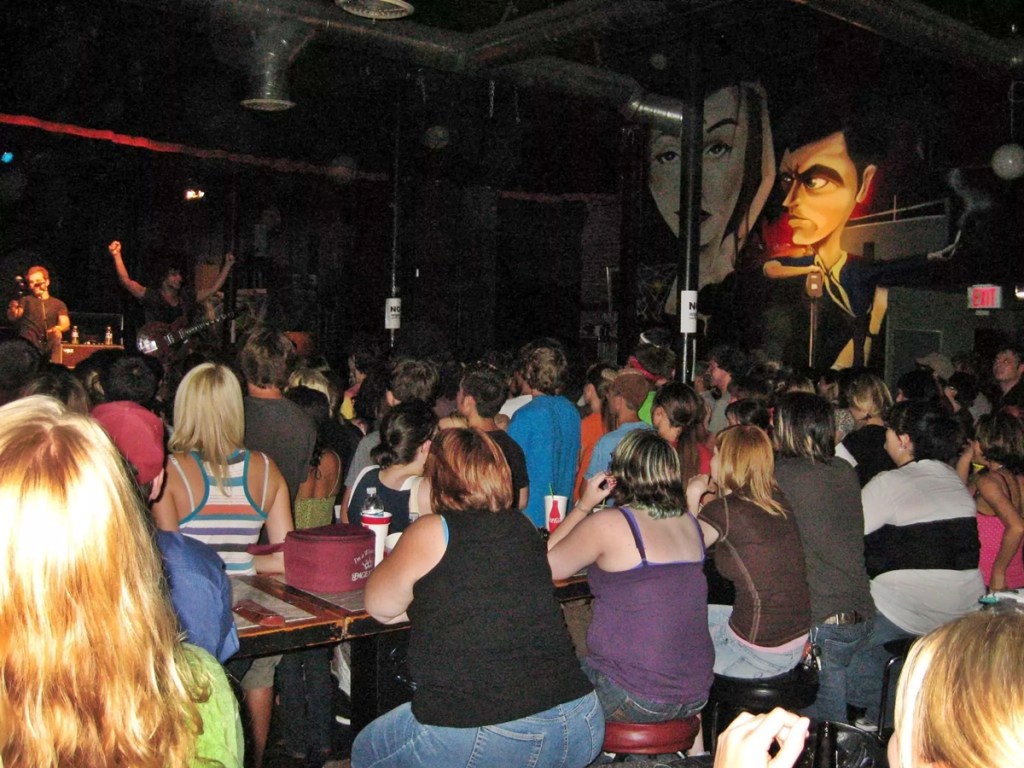
Local concertgoers flocked to the 6,770-square-foot venue known for its red brick walls and cavernous interior. During its heyday, the Brickhouse boasted what Phoenix New Times described as “an unpretentious vibe and intimate rock club feel.”
In that era, it was one of the city’s most reliable live-music venues.
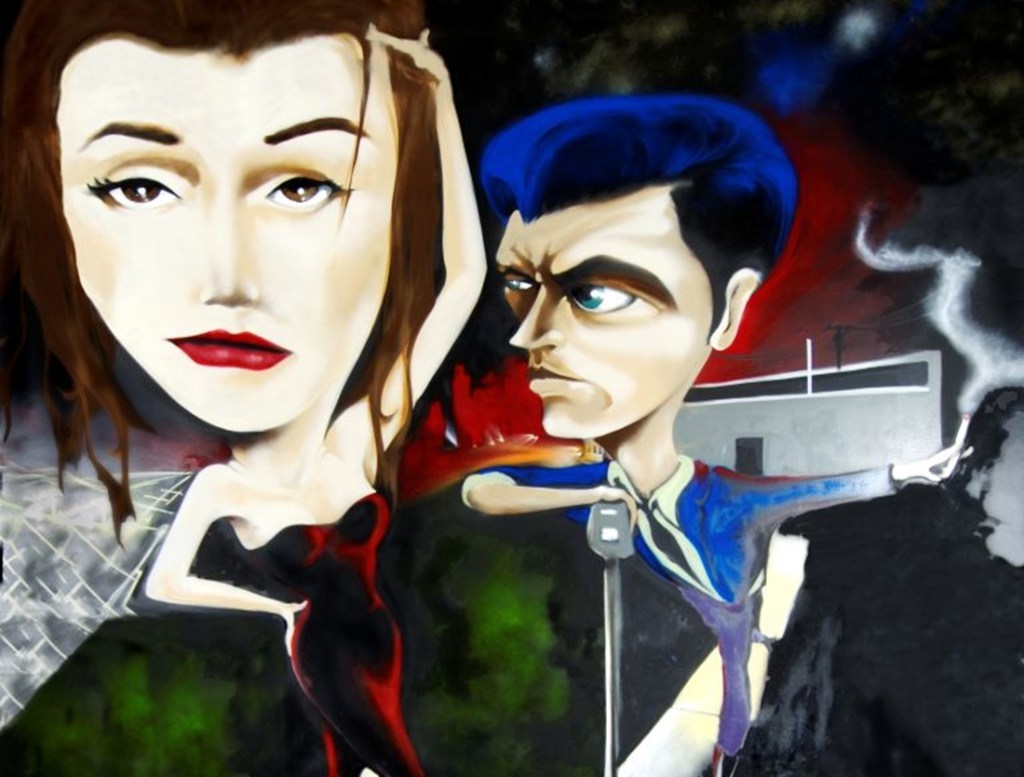
Provided by Roger Belfiore
The Brickhouse was also plugged directly into Phoenix’s growing art scene. As First Fridays began to surge in popularity, the venue became a regular stop on the monthly downtown art walk, blurring the lines between concert hall, gallery, and community hub.
Then it burned out.
By the end of 2008, the Brickhouse was gone, shuttered a few years before downtown Phoenix’s resurgence, as venues Crescent Ballroom and Valley Bar debuted.
In hindsight, it feels less like a casualty and more like a blueprint. The Brickhouse didn’t get to cash in on downtown’s nightlife boom. Instead, it helped pave the way for it.
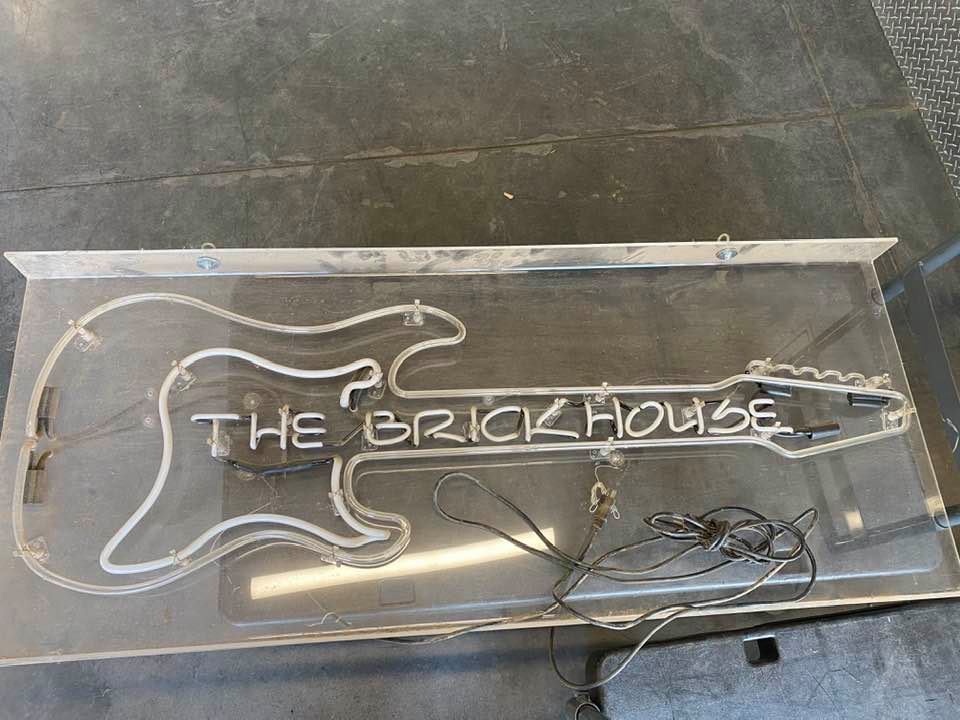
Provided by Roger Belfiore
The property’s stint as an art and music hub was one of many roles it played over the decades.
Built in 1897 at what’s now Jackson Street and Central Avenue, the property became one of Phoenix’s first commercial laundries. Over the next century, it cycled through multiple lives, including serving as a warehouse before eventually becoming a bar and restaurant.
By the late ’90s, the property was known as Jackson’s Hole, hosting shows by Black Label Society, Southern Culture on the Skids, and Sunny Day Real Estate.
In 2001, local businessmen Cole Massey and Kevin Barlow relaunched the space as the Old Brickhouse Grill. Ownership later passed to real estate developer Randall Addison, before local sound engineer Roger Belfiore took over in 2004.

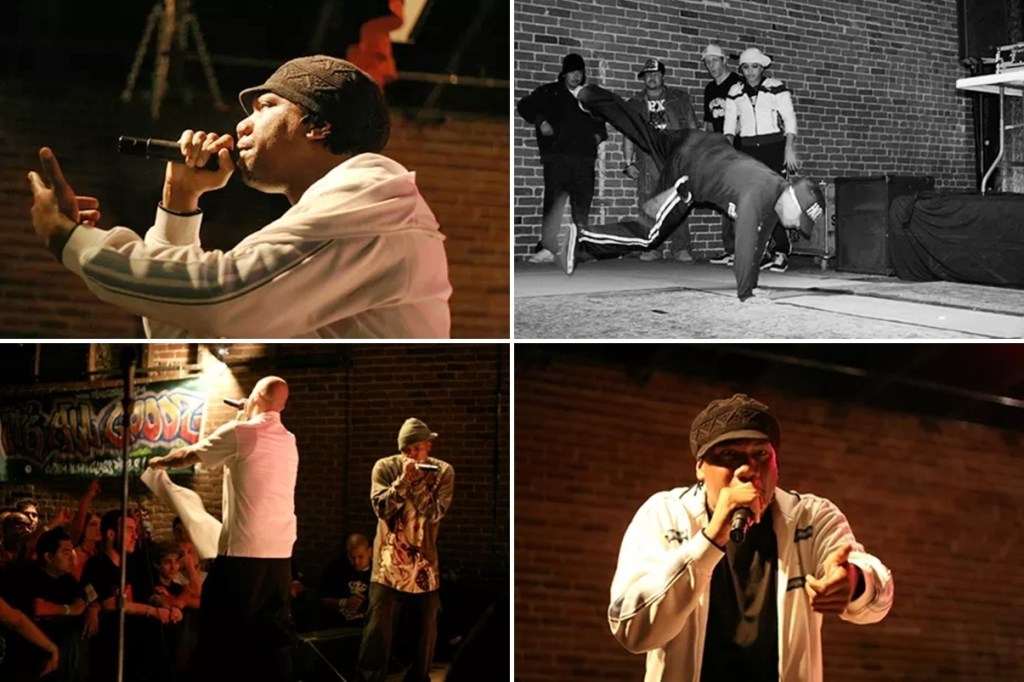
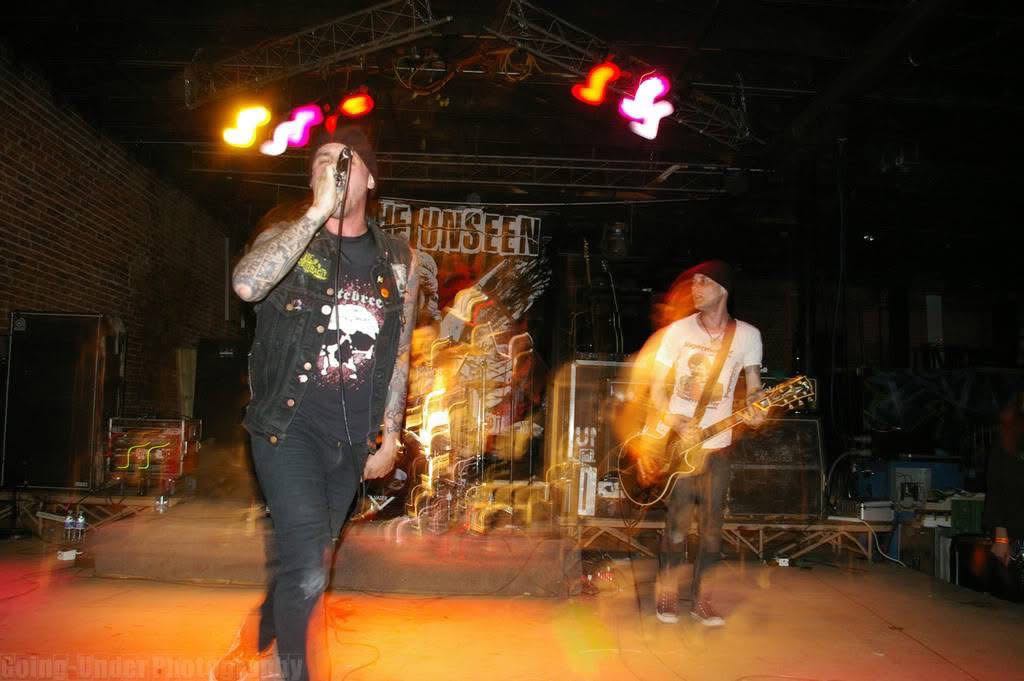
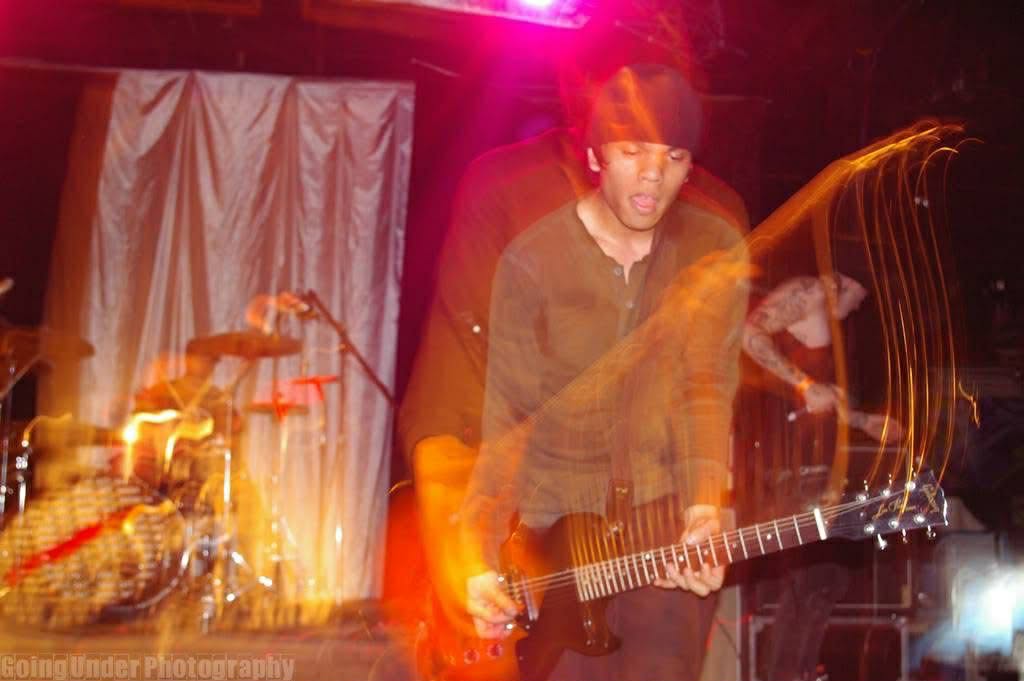
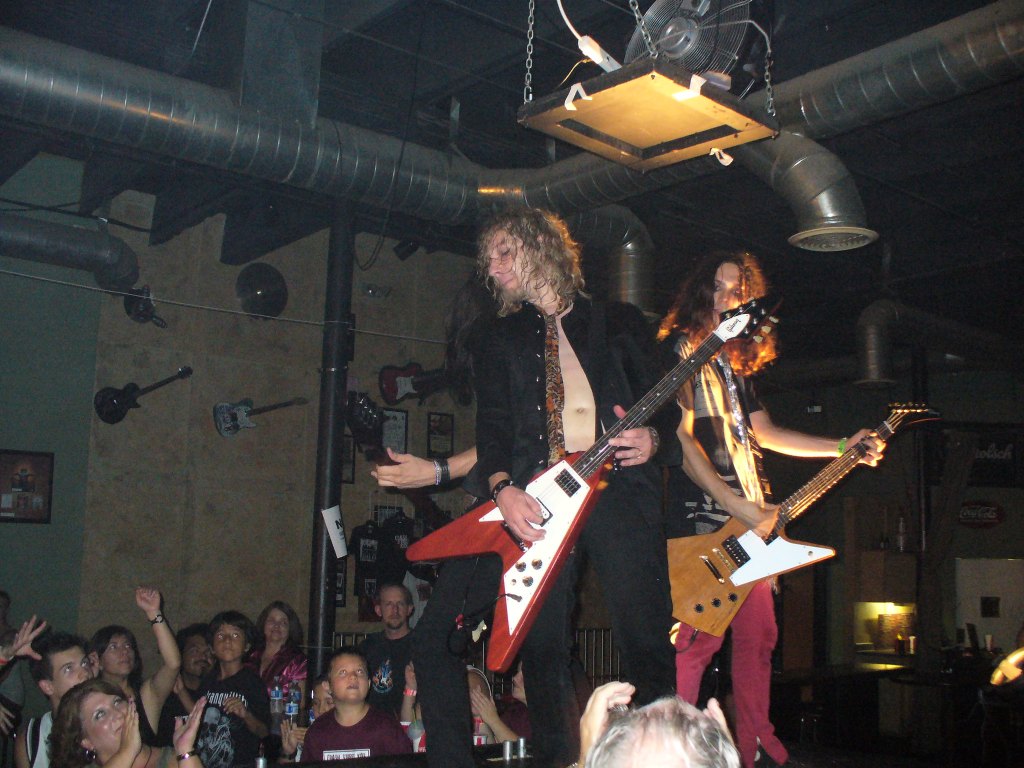
It was one of the Brickhouse’s busiest eras. Arizona promoters like Stateside Presents, Lucky Man Productions, TMC, and Universatile Music filled the room with an eclectic mix of talent. Punk and metal acts. Underground hip-hop. Indie dance oddities. Turbonegro and Agent Orange played the place. So did KRS-One, Dead Prez and Living Legends.
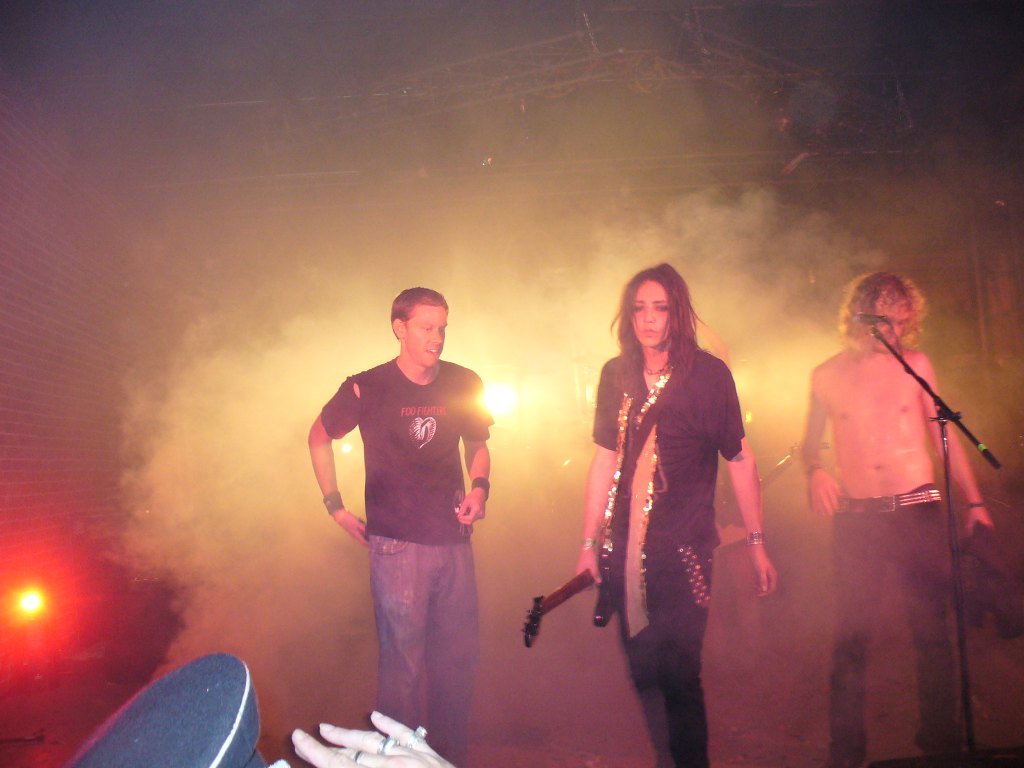
Other artists and acts who rolled through included !!! (Chk Chk Chk), The Juan Maclean, The Kills, Man Man and RZA. Local staples like Phunk Junkeez and Pinner played the Brickhouse. (Full disclosure: New Times booked a few events at the venue.) Green Day even brought their garage rock side project Foxboro Hot Tubs to the Brickhouse for a pop-up gig during Memorial Day weekend in 2008.
Memorable shows were the rule, not the exception.
R.J. Price, chief growth officer for Downtown Phoenix, Inc., remembers catching The Hold Steady at the Brickhouse in 2007.
“The band was a little sloppy but tons of fun,” Price says. “They were pounding through tracks from ‘Almost Killed Me,’ ‘Separation Sunday’ and the then-new Boys and Girls in America. It was so hot.”
In 2008, financial woes and other compounding issues caught up with the Brickhouse and caused its closure.
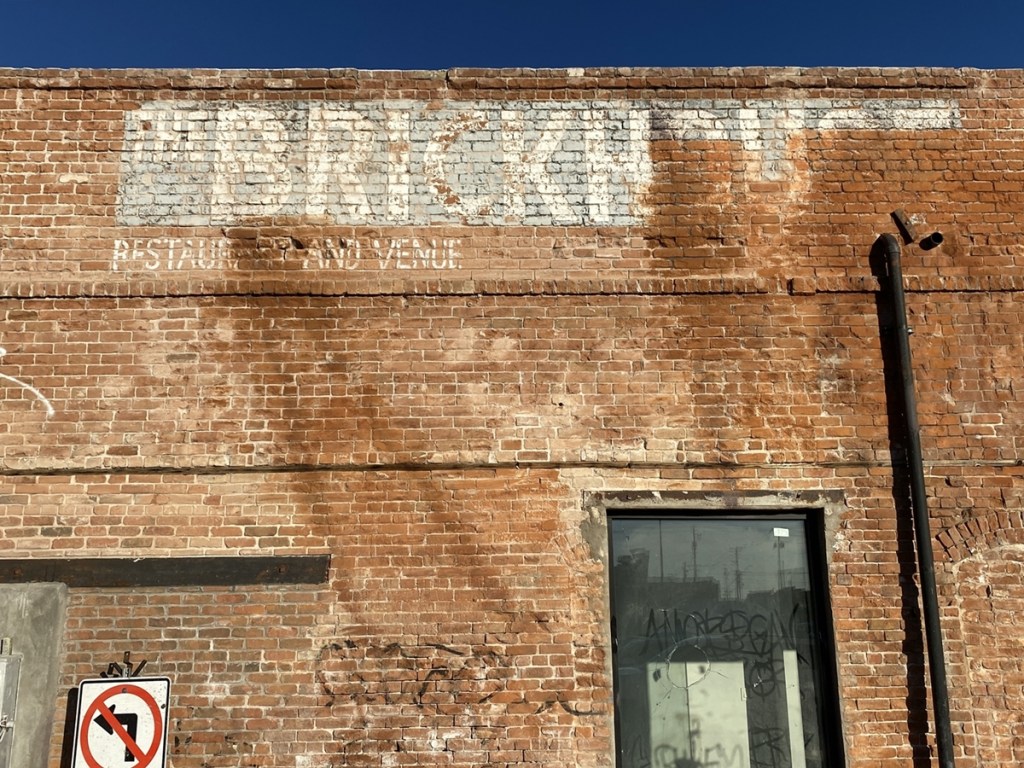
Benjamin Leatherman
In 2016, Valley entrepreneur Brad Jannenga purchased the property with plans to convert it into offices for tech companies and startups. That project never materialized. Today, the building remains empty, with only faint reminders of its former life. The words “Brickhouse Restaurant and Venue” still linger on an exterior wall, albeit heavily faded.
Photos from the venue’s many concerts and events are surprisingly scarce, a reminder that the Brickhouse existed just before smartphones and social media turned every show into content. What survives feels more precious because of it.
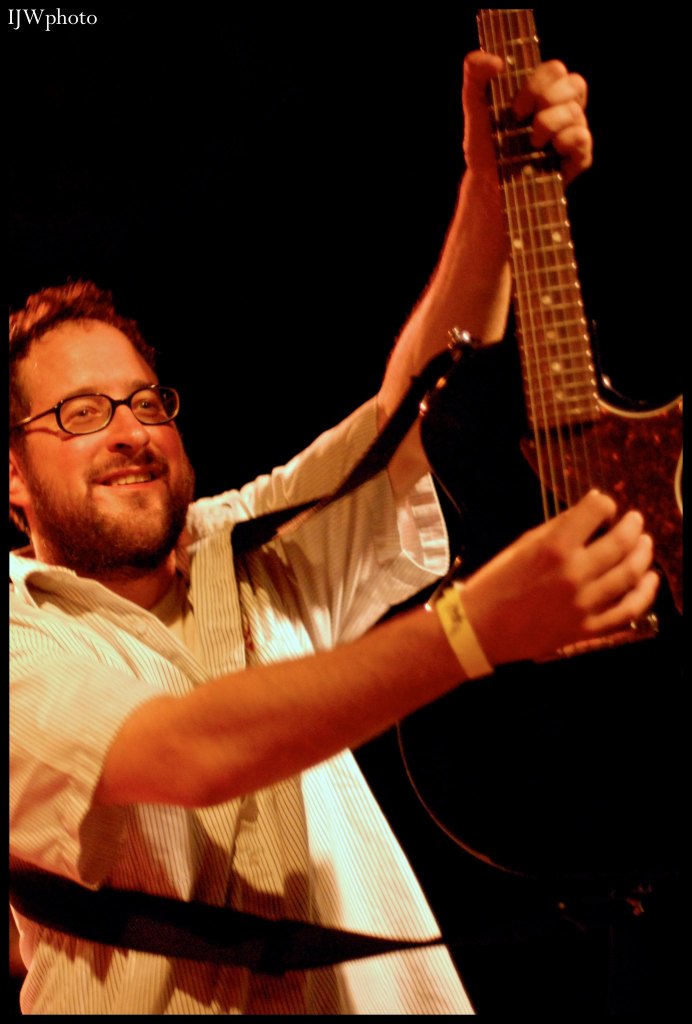
Here’s a look back at the Brickhouse from its heyday.
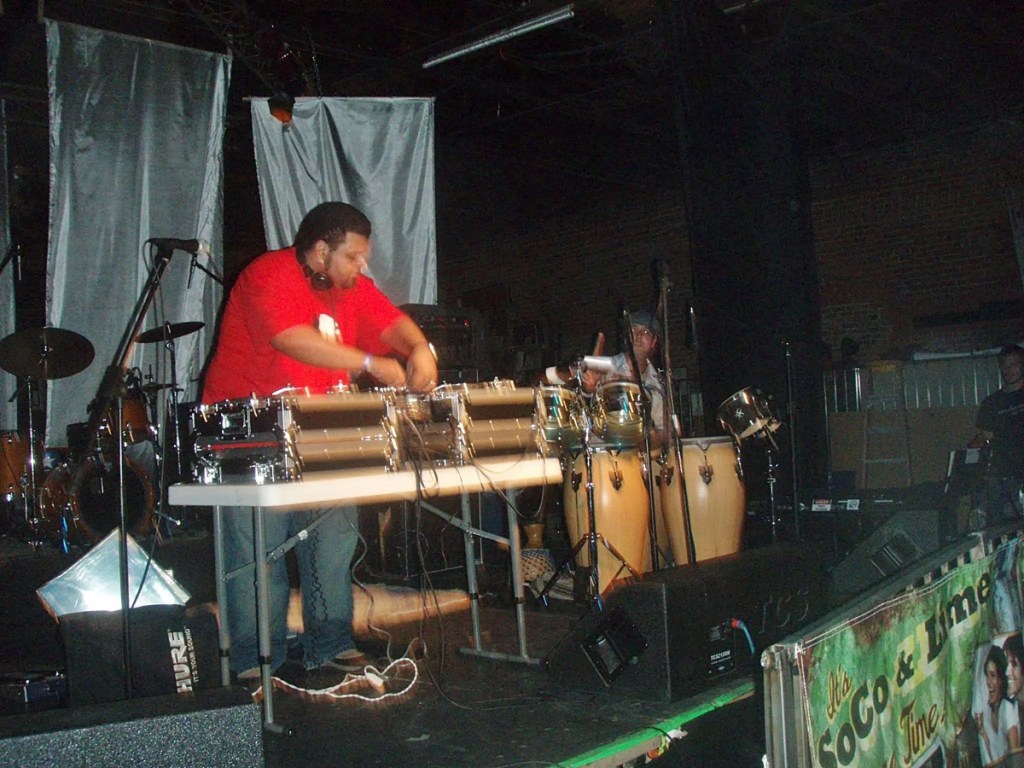
Phoenix New Times archives
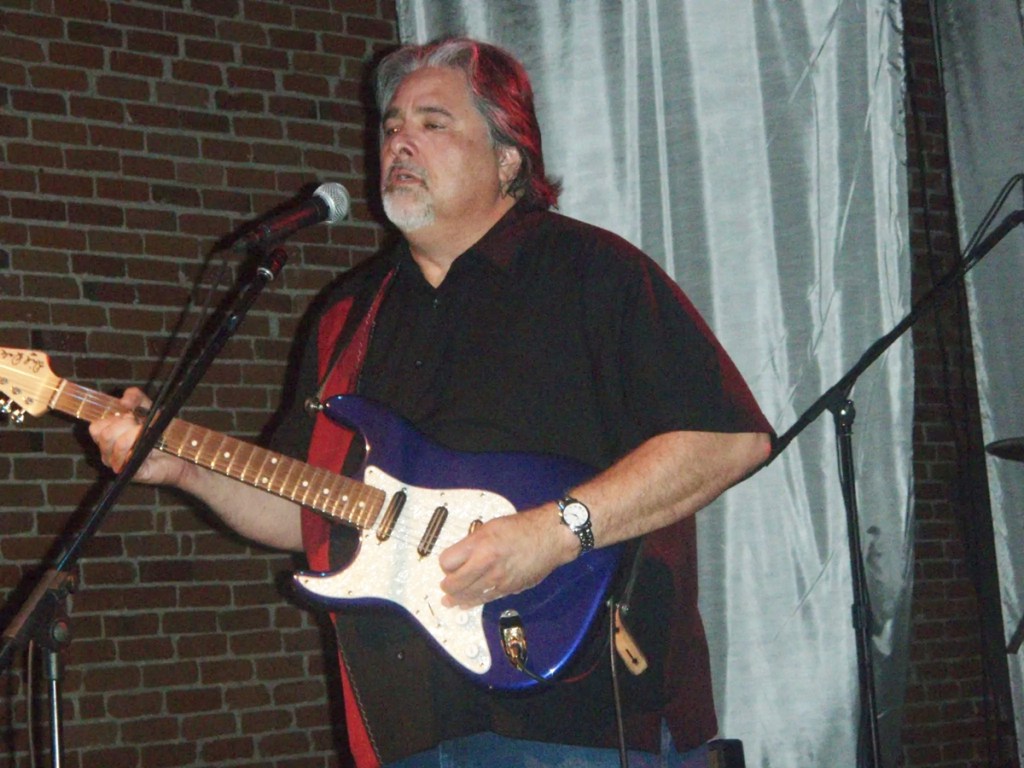
Phoenix New Times archives
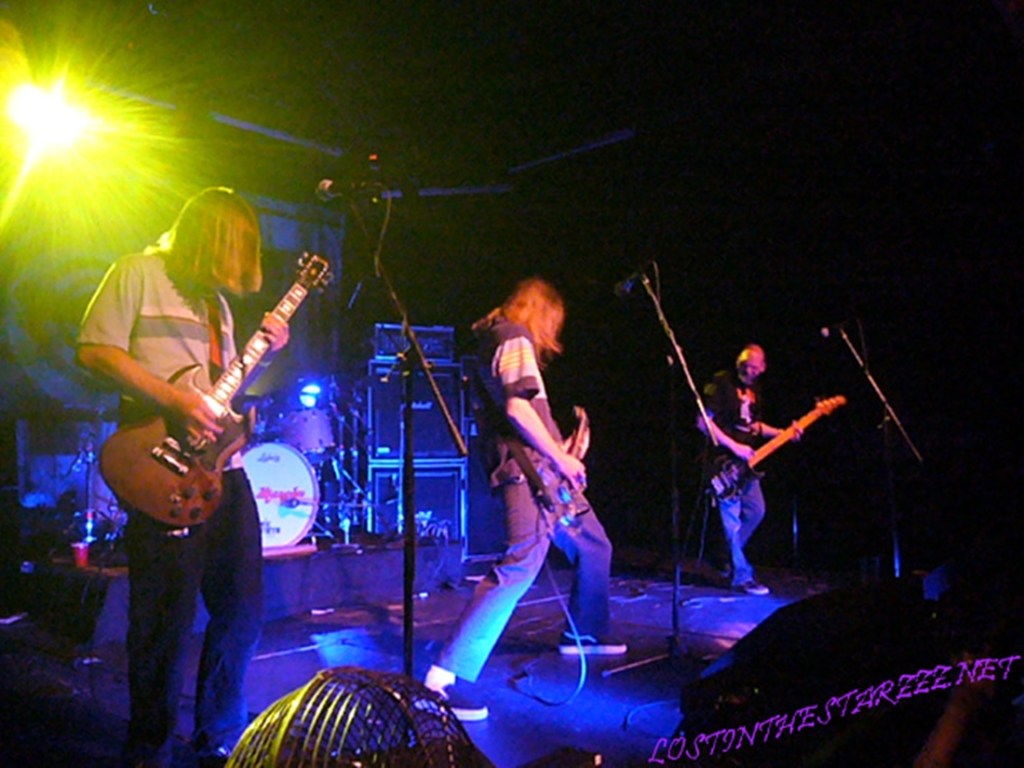
Provided by Roger Belfiore
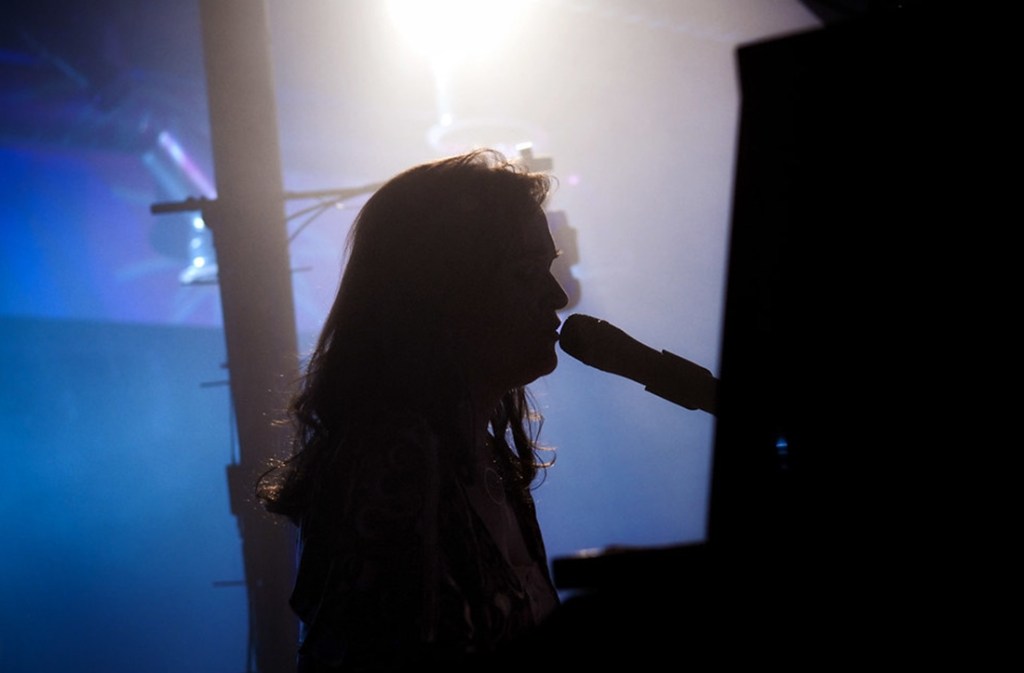
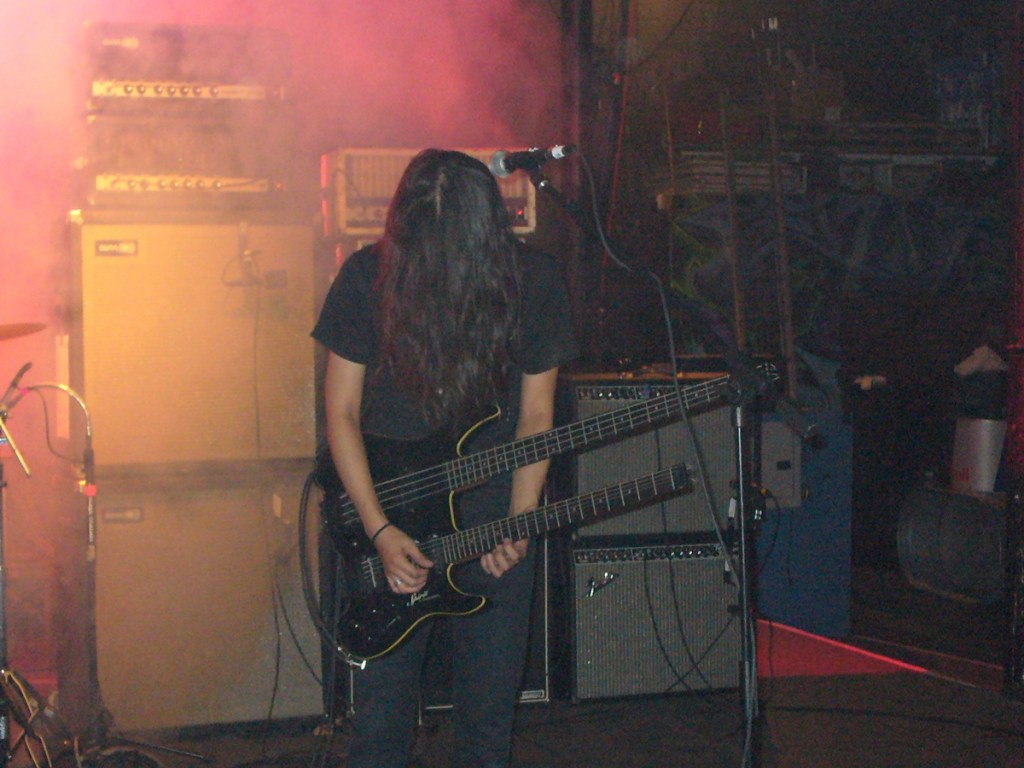
John Fenster
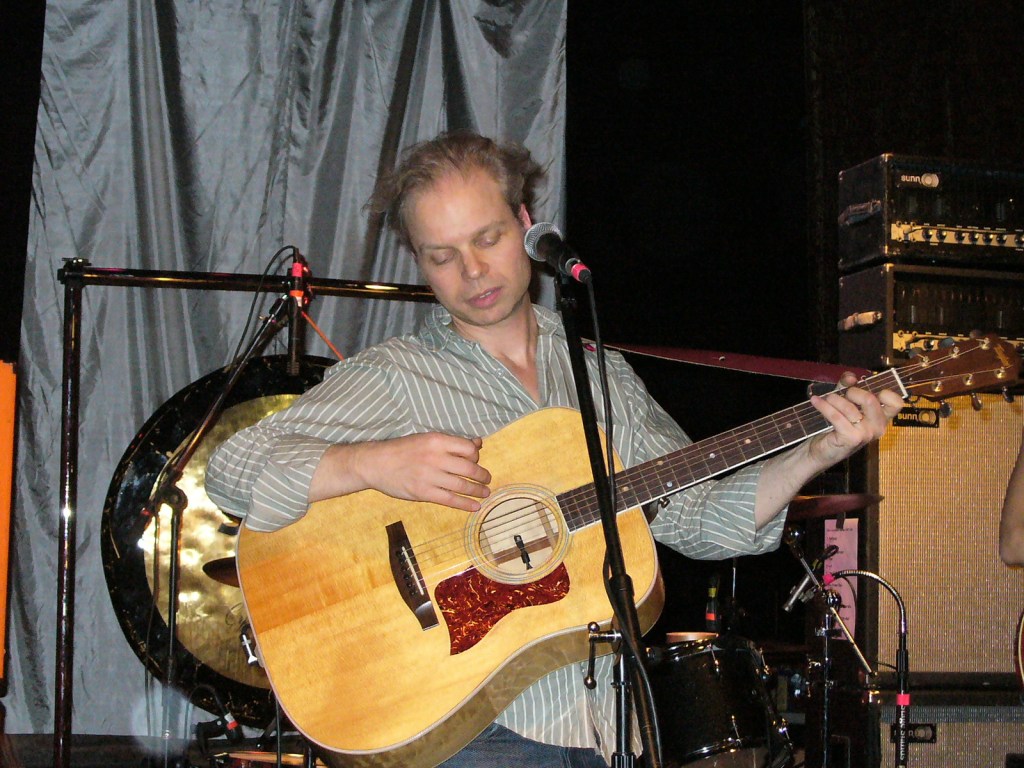
John Fenster
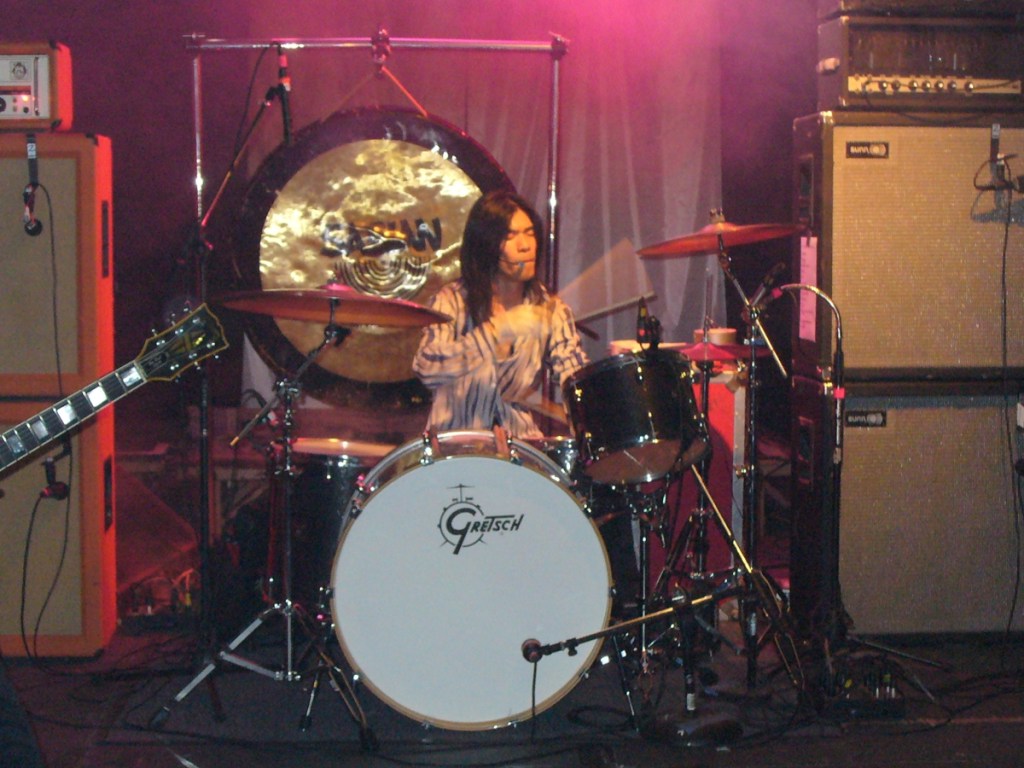
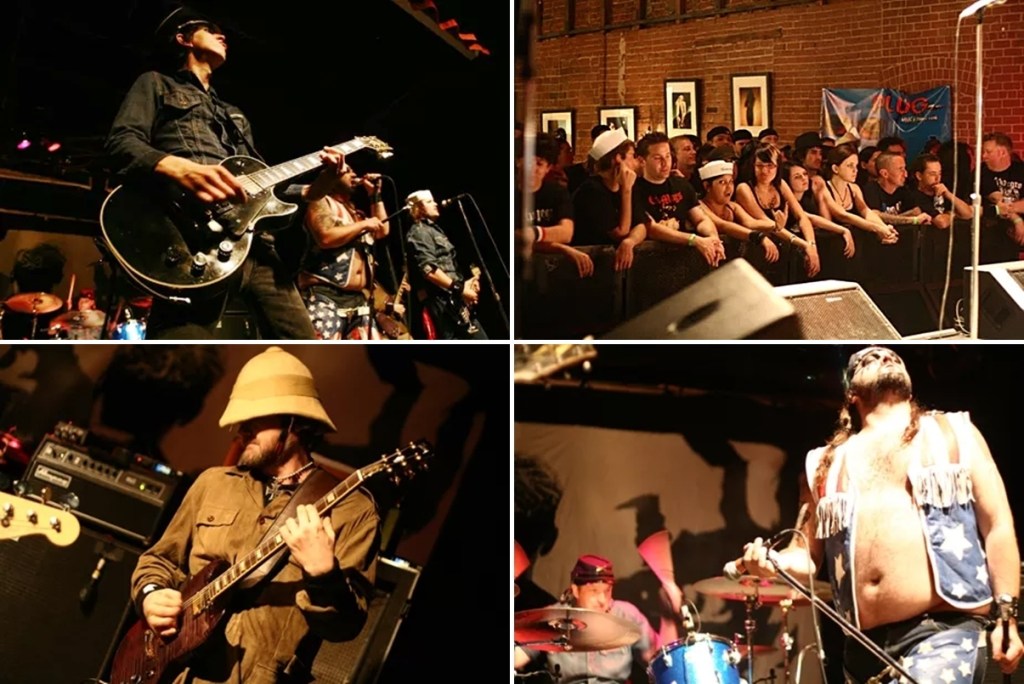
Phoenix New Times archives
Phoenix New Times archives

Phoenix New Times archives
Gaby Kaos
Gaby Kaos
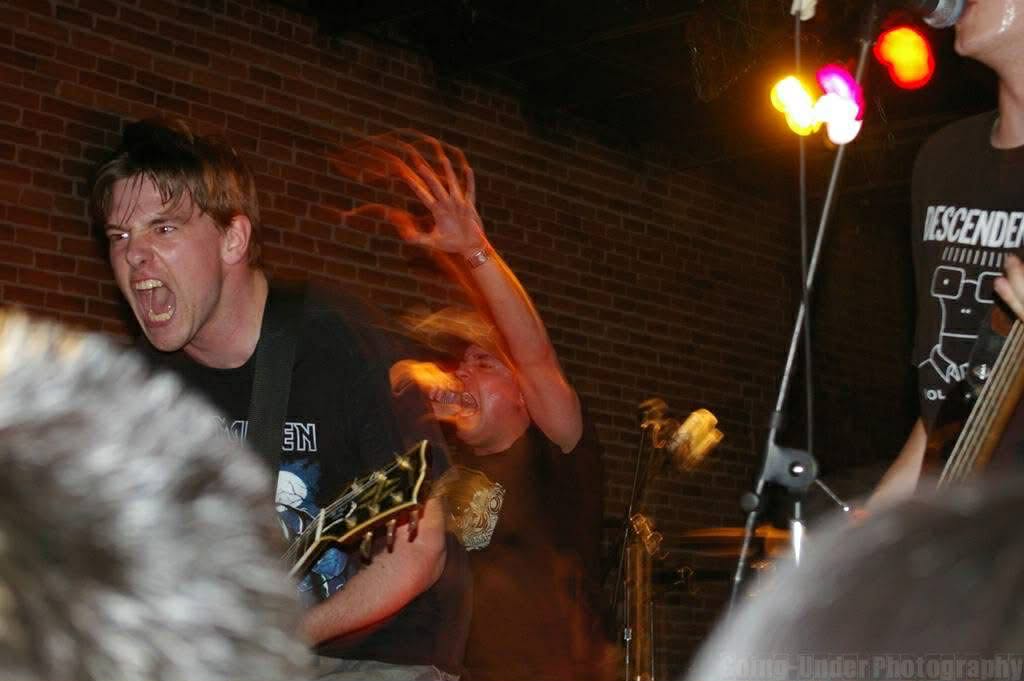
Gaby Kaos
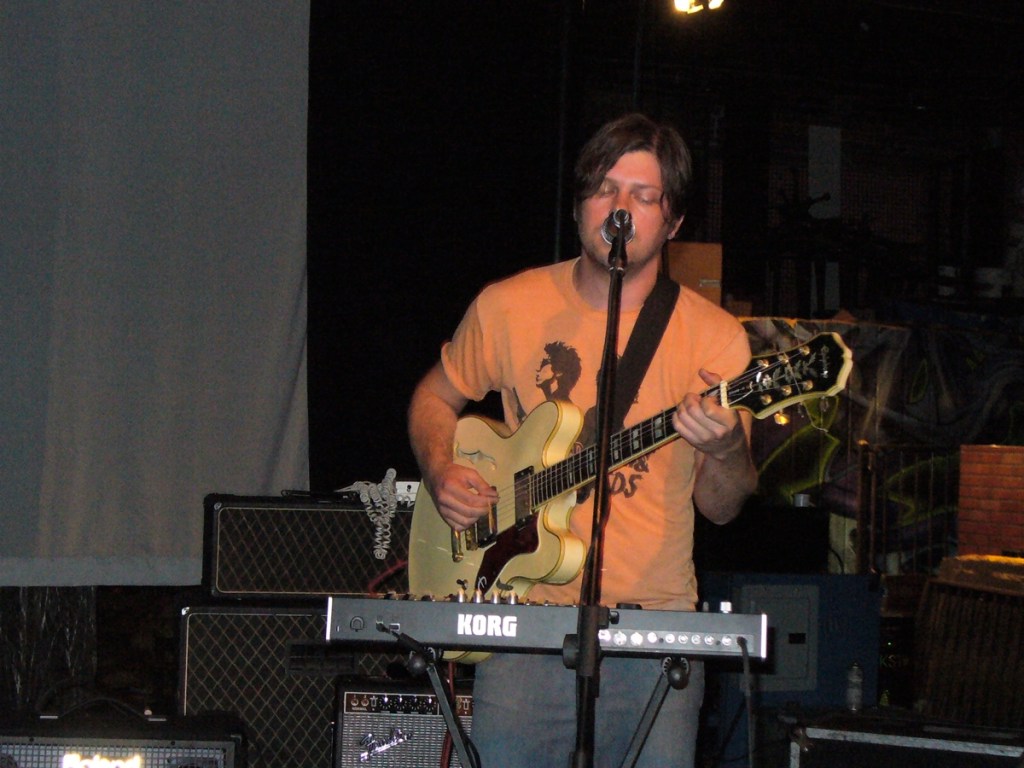
John Fenster
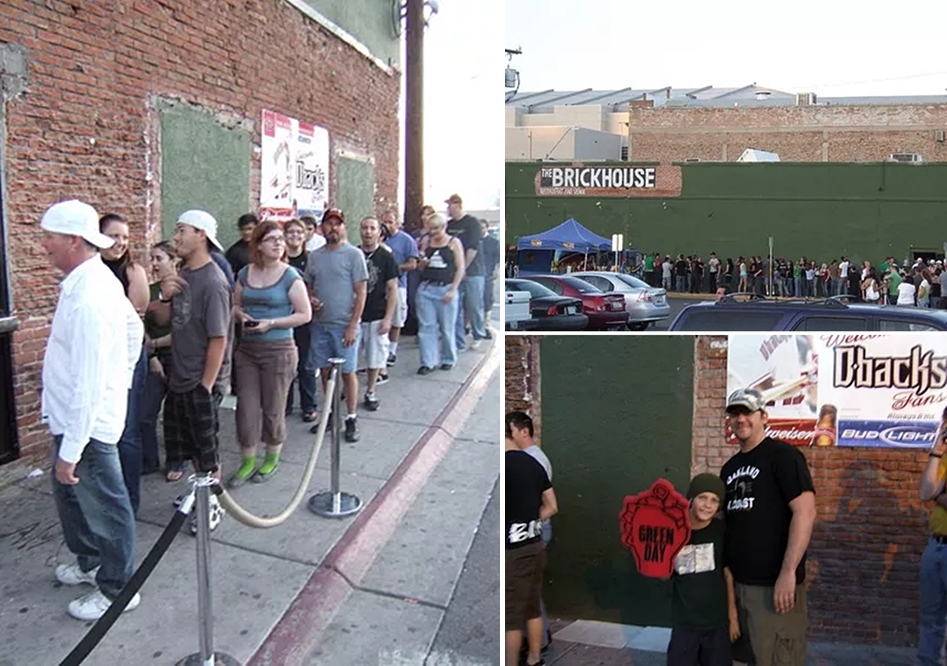
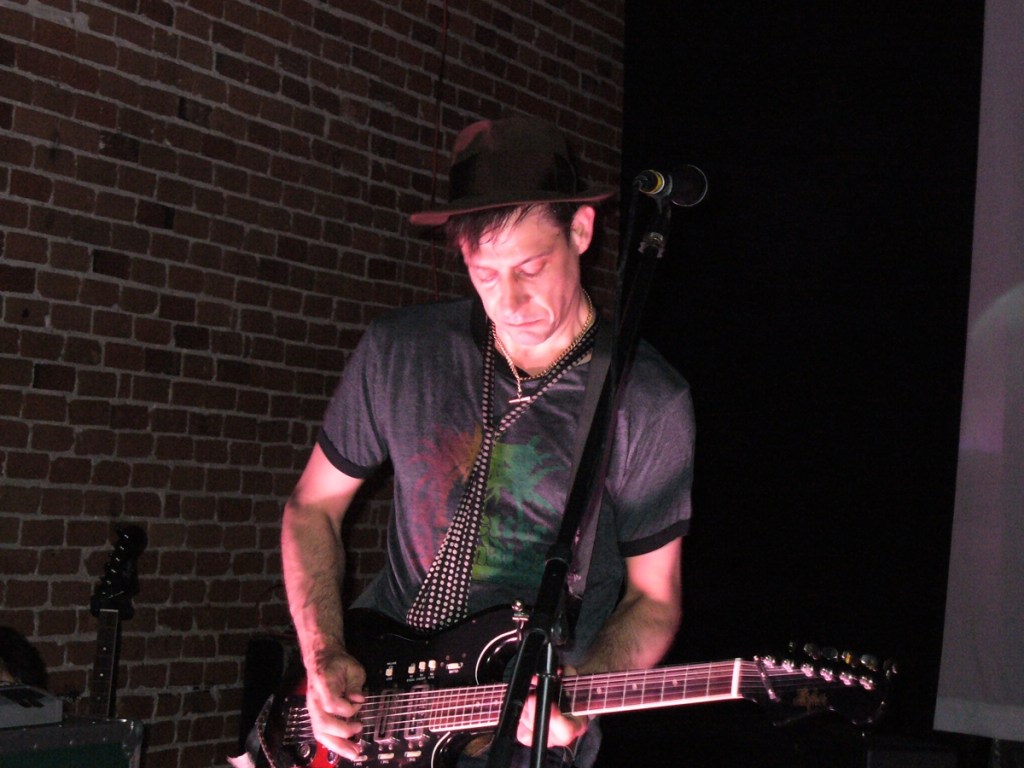
John Fenster

Phoenix New Times
John Fenster
John Fenster