
Alexander Nie/Flickr/CC BY-SA 2.0

Audio By Carbonatix
Keep Phoenix New Times Free
We’re aiming to raise $10,000 by April 26. Your support ensures New Times can continue watching out for you and our community. No paywall. Always accessible. Daily online and weekly in print.
After back-to-back months of record-breaking temperatures this spring, if you were hoping for a cooler summer this year, we’ll try to let you down gently. Although we do admire your optimism.
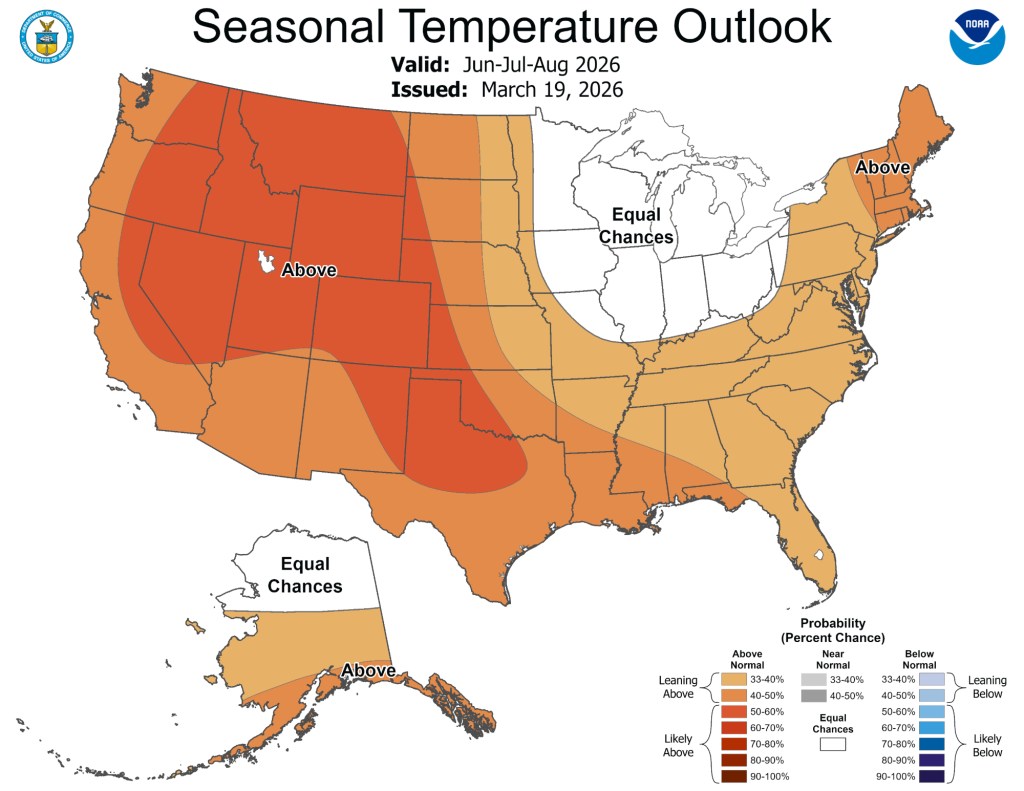
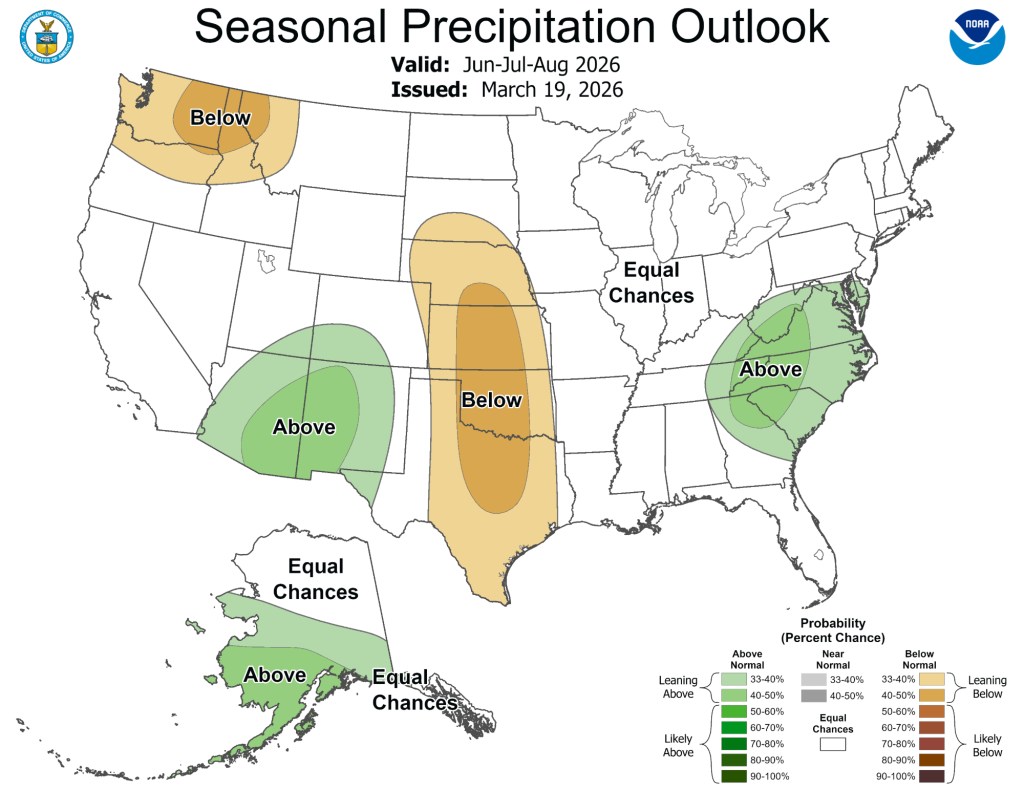
According to the National Weather Service’s Climate Prediction Center, temperatures this summer are expected to be warmer than normal in Phoenix, which is already known for its scalding triple-digit heat. It’s also expected to be drier than normal in early summer, although Phoenix residents could be seeing a wetter monsoon season in the later summer months.
National Weather Service
According to the NWS, much of Arizona has a 40-50% chance of experiencing higher than normal temperatures for June, July and August. Over those same months, though, the state has between a 30-50% chance of getting more rain than usual. A normal monsoon brings about 2.43 inches of rain over the entire season. Last year, a late-arriving monsoon dumped 2.76 inches on the Valley, the first above-average monsoon since 2021.
Phoenix has a marathon of a summer. Typically, high temperatures jump above 100 degrees and stay there by the end of May, with temperatures reaching their peak in the first couple of weeks of July, said NWS meteorologist Mark O’Malley. The normal high temperature remains slightly above 105 degrees throughout the summer, then slowly cools through September.
Still, Phoenix residents don’t typically see their last 100-degree day until the first few weeks of October, which is after monsoon season has come and gone.
National Weather Service
So far this year, temperatures have been warmer than normal. January was the fourth-warmest such month on record, averaging just above 61 degrees. Both February and March were the hottest ever recorded, with average temperatures of 68 and 79 degrees, respectively. Additionally, 2026 saw the earliest 100-degree day ever, with triple-digit temperatures on March 18 and for days afterward.
It’s too soon to tell if this summer will also be record-breaking, but Phoenix’s typical temperature heat wave is one that residents can expect to see this year. So, start getting ready.
O’Malley recommended that residents ensure their air conditioning units are working “properly and efficiently” and get outdoor activities done early in the morning or after dark. “Use common sense during the daytime and limit your time outdoors and exposure to the heat and sun,” he added.