
Zach Buchanan

Audio By Carbonatix
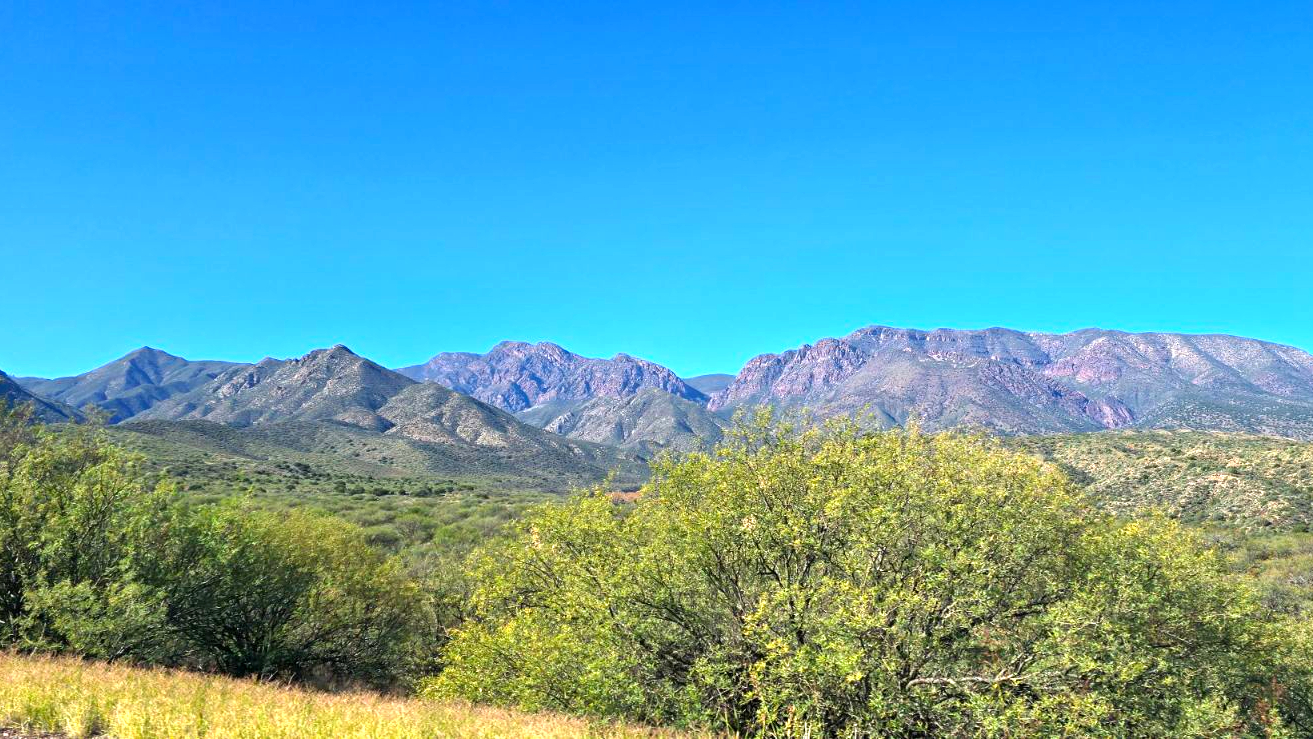
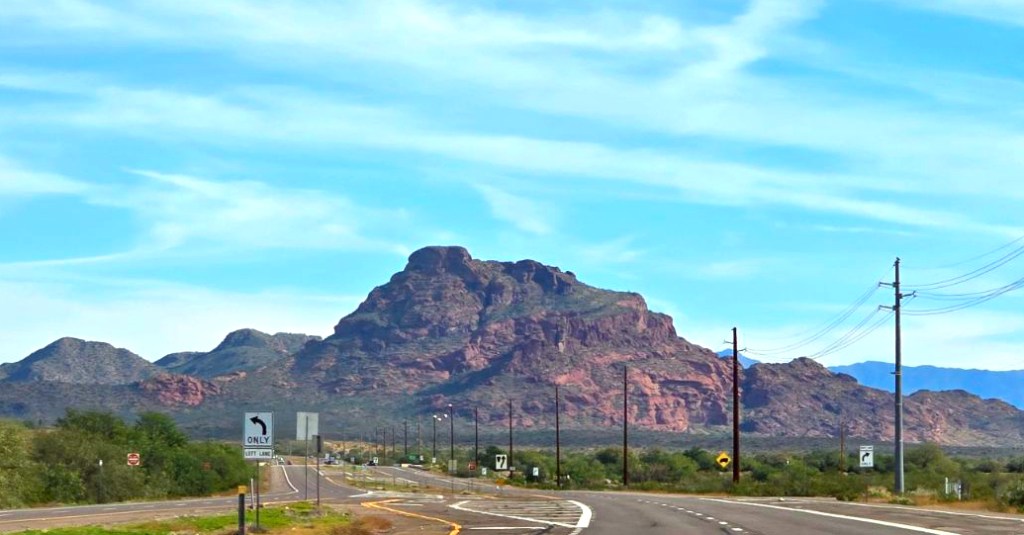
If you’re driving out of Phoenix, you may notice that the landscape is looking more lush than usual — a lot more lush.
In a social media post on Sunday, the National Weather Service showed just how much foliage is growing in the high desert outskirts of the Valley and the pine forests to the north and east of Phoenix. Two maps of Arizona — both of which were created using a vegetation satellite product (NDVI) tool from NASA satellites — show a huge difference in vegetation from June 14 to Dec. 11.
NWS meteorologists confirmed that the atypical explosion of vegetation is a result of the record 6.31 inches of rainfall that poured down in and around the Phoenix metro area during the fall.
“Some locations in the metro area ended up getting closer seven or eight inches during that period as well,” said meteorologist Matt Salerno. “It helps out with the natural growth of the high terrain areas and the larger pine and deciduous forests.”
Salerno said most of the growth consisted of grass and small shrubs, but some of it included trees that had been growing leaves at an unusual time. “Even the palo verdes are flowering yellow, and typically they don’t flower this time of year,” he said. Like most plants, they flower in the spring.
Salerno added that the area normally becomes greenest in the summer during the monsoon season. But as summer storms were delayed into the fall this year, the normal pattern has been thrown off and vegetation is experiencing an anachronistic period of regeneration and regrowth.
Zach Buchanan
“It’s almost like the trees are getting fooled right now,” Salerno said. “It was so wet and now we’re going into a warmer period. We’ve been abnormally warm for December, which is helping keep things growing.”
The warm weather is due largely to the fact that La Niña conditions have started, meaning the American Southwest is likely in for a warmer and drier winter than usual, Salerno said.
La Niña years are characterized by colder-than-normal ocean water over the Eastern Pacific, which leads to high pressure that keeps storms trapped in the north and keeps the Southwest warm and dry. It’s the fifth time in six years that the Pacific has seen La Niña conditions instead of El Niño conditions.
Salerno predicts that come May, the vegetation map will start to look a lot more like it did in June 2025 — though it’s possible the fall’s heavy rains will keep things green for a while.
“There’s still a lot of ground moisture around, so if that holds we may see things stay green for a little bit longer than usual,” he said. “But usually when you get to the spring, things really start to dry out around here.”
So rejoice while you can, take a drive out of town or a hike in the foothills of the north and East Valley. Touch some grass and smell the greenery. This is a special winter.