
Tactical Toadfish/Getty Images

Audio By Carbonatix
Phoenix summers always come with a slew of requirements. Drink water. Don’t leave kids in cars. Watch for rattlesnakes.
And, inevitably, prepare for scorpions.
With a “Super El Niño” on the horizon, the Valley may be in for one of its hottest, wettest summers to date. Aside from the greater existential threat of climate change, this weather may also open the doors to some not-so-hot pests.
In a press release, Phoenix-based pest control company Bucksworth Home Services warned that Arizona’s record-breaking heat, combined with forecasts of a wetter-than-normal monsoon season, could create a “perfect storm” for scorpion activity and other pest infestations.
“What we’re seeing in 2026 is the textbook worst-case scenario for scorpions and other pests,” Bucksworth founder Jordan Moore said in the release. “When temperatures exceed 110°F for days on end, scorpions push harder into homes looking for cool air. Then when the monsoon hits, flooding drives them, cockroaches, ants and termites all indoors at once. We’re already getting more calls than usual and the real surge hasn’t started yet.”
It makes for an alarming picture. But according to toxicologists and poison experts, the relationship between weather and scorpion encounters is more complicated than some residents may assume.
Maureen Roland is the managing director of the Banner Poison and Drug Information Center. Looking at poison center data dating back to 2018, she compared sting calls during monsoon seasons with precipitation levels. While the data isn’t definitive, Roland said she noticed a trend.
“We did get more calls of people who were stung by scorpions in the dry monsoon seasons,” she said.
That doesn’t necessarily mean there were fewer scorpions during wetter years. Rather, Roland said, dry conditions may push scorpions into homes and other places where people are more likely to encounter them.
Frank LoVecchio, a medical toxicologist and Medical Director of Clinical Research at the College of Health Solutions at Arizona State University, said dry conditions don’t appear to boost scorpion populations. “Scorpions are highly adapted to Arizona’s desert environment, so drought itself does not necessarily increase their numbers,” LoVecchio said in a statement to Phoenix New Times. But weather can still affect where people encounter them.
“Prolonged dry conditions may reduce the availability of water and prey, potentially causing scorpions to seek shelter in irrigated landscapes, around homes, and in areas where insects are more abundant,” he said.
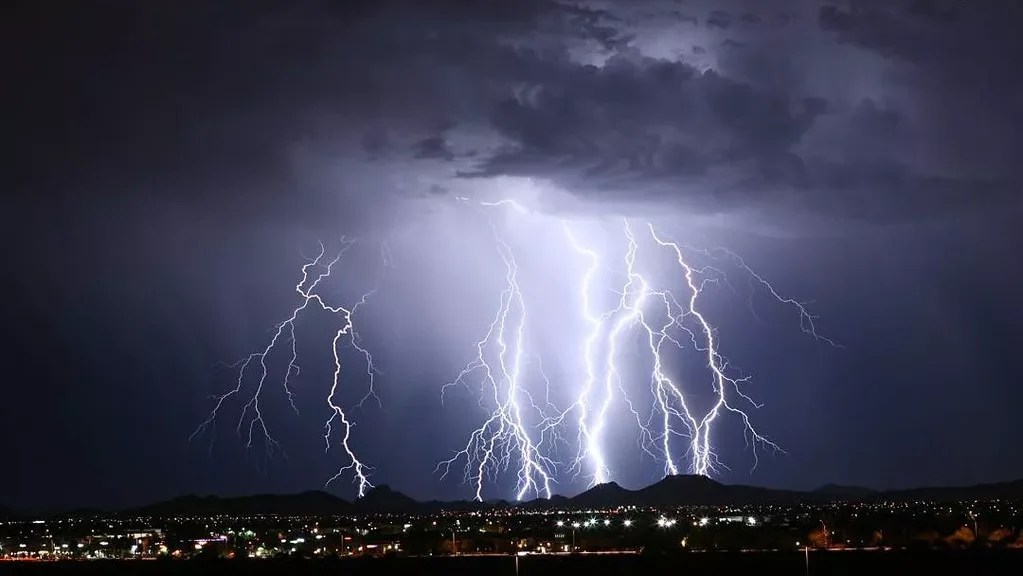
At the same time, LoVecchio noted that monsoon storms can create their own problems.
“Heavy rains can flood burrows, disturb hiding places, and drive scorpions to higher and drier locations, including homes and structures.”
In other words, both dry and wet weather can increase encounters with scorpions. Dry conditions may draw scorpions into homes in search of moisture, while heavy monsoon rains can flood hiding places and temporarily push them into dry areas like houses. Basically, they seek shelter from the elements just like we do.
Abbee Day/Flickr/CC BY-NC-ND 2.0
Scorpions 101
With the potential increase, both LoVecchio and Roland advised that a scorpion sting does not automatically constitute a medical emergency.
“One common misconception is that every scorpion sting is a life-threatening emergency,” LoVecchio wrote. “While scorpion stings can be extremely painful, most healthy adults experience localized symptoms and recover without long-term effects.”
Roland said the overwhelming majority of sting calls received by the Poison Center involve mild symptoms. Most people experience pain, numbness or tingling around the sting site. More severe reactions are possible, particularly with Arizona bark scorpions, the state’s only medically significant scorpion species. But they are far less common.
Young children remain the group that concerns medical professionals most. Because of their smaller body size, they are more likely to develop significant neurologic symptoms, including excessive drooling, unusual eye movements and muscle twitching. When those symptoms occur, emergency evaluation is warranted.
Fortunately, improved medical treatment and awareness make serious complications uncommon.
“The overall risk from Arizona bark scorpions has remained relatively consistent during my career of 30 years in AZ,” LoVecchio wrote. “It is uncommon to need antivenom except in children typically less than one year old who have significant symptoms.”
For Roland, the bigger concern is making sure people know where to turn if they are stung. The Banner Poison and Drug Information Center operates around the clock and is staffed primarily by registered nurses, pharmacists and physicians. The service is free and available statewide through the national Poison Help hotline at 1-800-222-1222. Interestingly, she said the Poison Center has seen a slight increase in call volume so far in 2026 compared with last year.
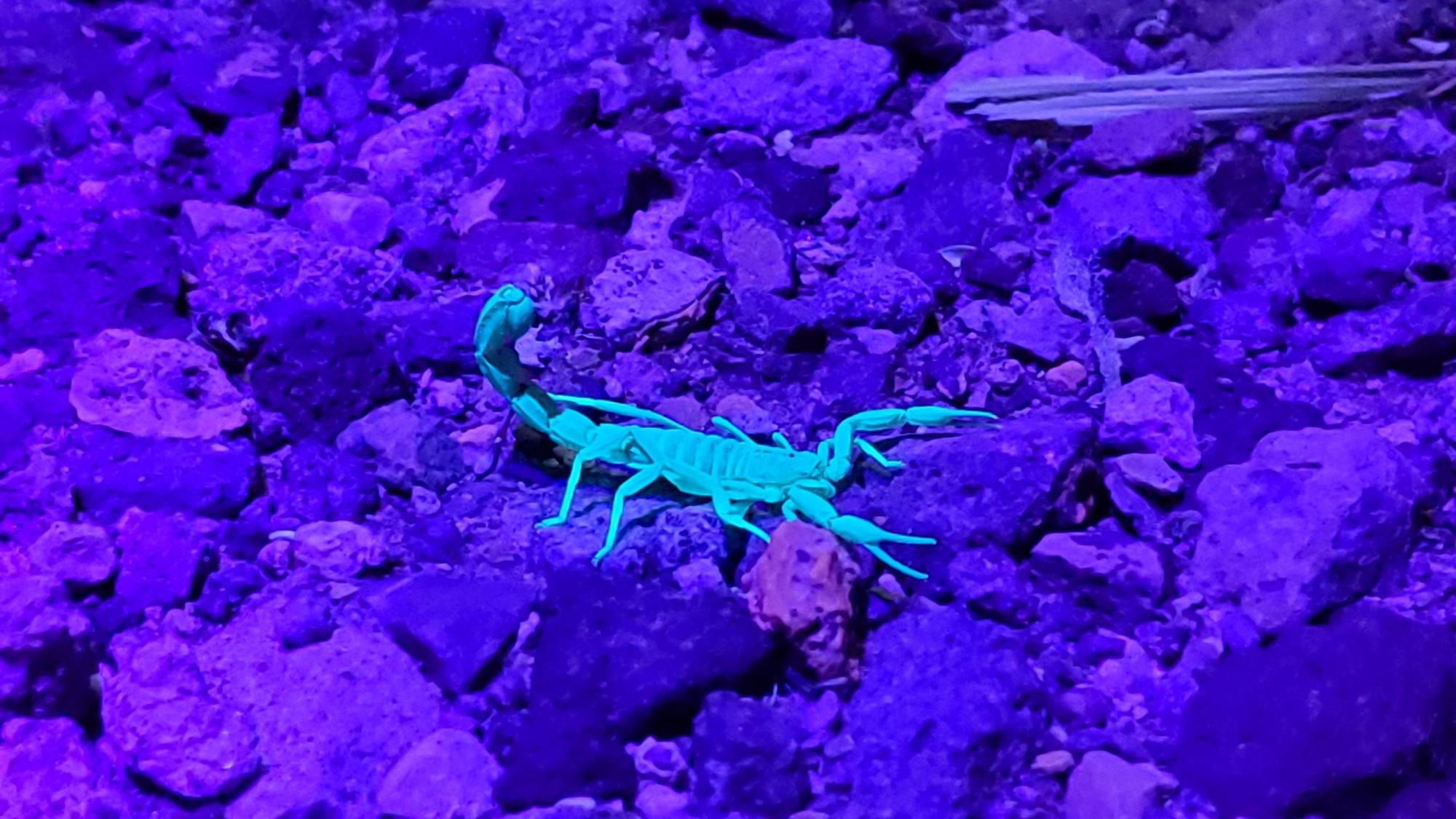
While Arizona residents may not be able to eliminate scorpions entirely, experts say a few simple precautions can significantly reduce the chances of an unpleasant encounter. LoVecchio recommends sealing cracks around doors and windows, reducing clutter where scorpions can hide, controlling insect populations that serve as food sources, and shaking out shoes, towels and clothing before use. He also suggests using ultraviolet flashlights outdoors at night. Scorpions fluoresce under UV light, making them easy to spot.
Roland offered another reminder: Scorpions are not hunting people. They’re looking for food, moisture and shelter.
So will Phoenix’s record heat and forecasted monsoon season create a scorpion apocalypse? Probably not. But you may want to consider shoes when walking outside at night.