Melissa Menzinger

Audio By Carbonatix
Metro Phoenix has more music fests than your wallet can handle.
During the fall and spring festival seasons, the Valley offers EDM blowouts, country throwdowns and hip-hop spectacles with towering stages and epic crowds. National promoters stage blockbuster events oll through with polished branding and big budgets. In short, the modern festival machine runs loud and nonstop in the Valley.
Still, Phoenix music festivals of the past hit different.
To wit: Apache Lake Music Festival turned a marina into a dusty desert pilgrimage. Tempe Music Festival packed the shoreline for seven straight years. Edge Fest and That Damn Show brought in alternative favorites. Wet Electric transformed a waterpark into a bass-soaked outdoor dance club.
Some lasted for years. Others were one and done. All were part of the Phoenix music scene landscape of the past few decades.
With the spring festival season kicking off across metro Phoenix, here’s look back at the local fests we loved and why they ultimately left the stage.
Leah Miller
Q-Fest
Now-defunct Phoenix alternative station KUKQ launched Q-Fest at Tempe’s Big Surf in September 1989, years before Lollapalooza became a touring force. The brainchild of KUKQ co-founder Jonathan L., the debut featured Red Hot Chili Peppers and Camper Van Beethoven. Roughly 10,000 people attended.
Q-Fest proved Phoenix had a serious appetite for alternative music. The festival spawned later editions and inspired KUKQ’s annual Birthday Bash, which drew MTV coverage in 1991.
The festival’s fate was tied to the station. When KUKQ went off the air in 1993, Q-Fest disappeared. It returned once in 1995 followed the station’s revival, with a ska vs. punk lineup headlined by Circle Jerks and Skankin Pickle.
In 2021, Jonathan L. suggested Q-Fest’s early success may have influenced Perry Farrell to launch the first Lollapalooza to Phoenix.
“People were noticing what was happening in Phoenix at that time with (alternative). I’m sure Perry was aware of that,” he said.
Robin Nash
Edge Fest/That Damn Show
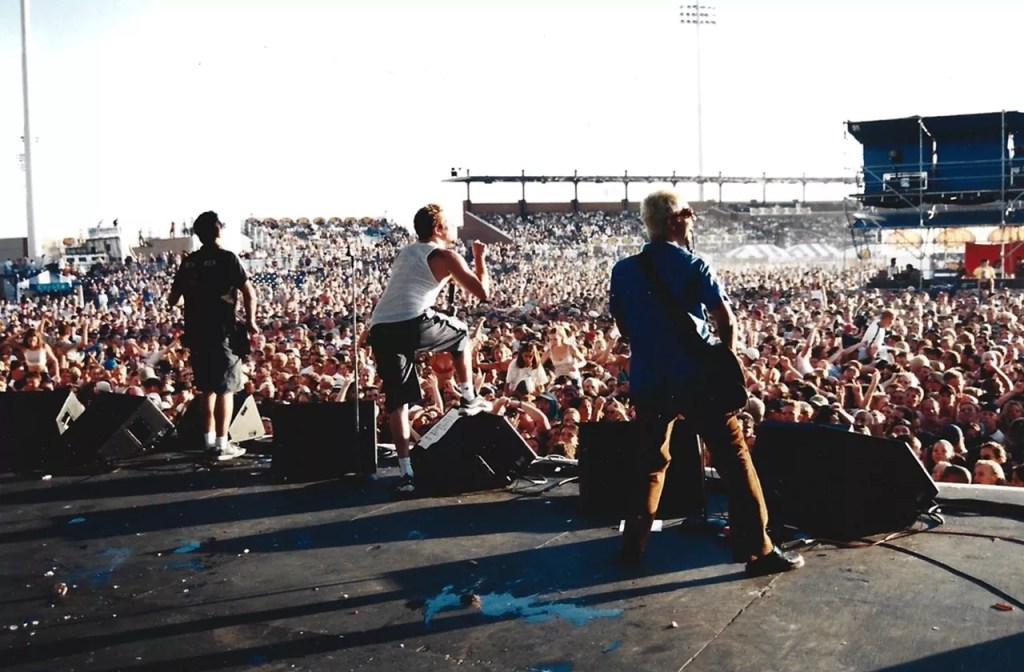
Phoenix alt-rock station KEDJ, better known as The Edge, followed Q-Fest’s lead with the first Edge Fest in 1993 at Chandler’s Compton Terrace. The bill featured Stone Temple Pilots, Goo Goo Dolls, Wailing Souls and 311, a snapshot of ’90s radio alt-rock at its peak.
The festival later rebranded as That Damn Show and continued into the 2000s as the Edge changed owners and frequencies. It rotated through outdoor venues across the Valley, including Peoria Sports Complex and Schnepf Farms in Queen Creek.
The festival even technically outlived its station. By 2012, the Edge had become X103.9 before switching to classic rock later that year. That Damn Show returned once more in 2013 at Mesa Amphitheatre for a one-off revival.
For Phoenix rock fans, Edge Fest and That Damn Show were yearly fixtures, tied to the rise and fall of alternative radio in the Valley.
Entertainment Solutions
Tempe Music Festival
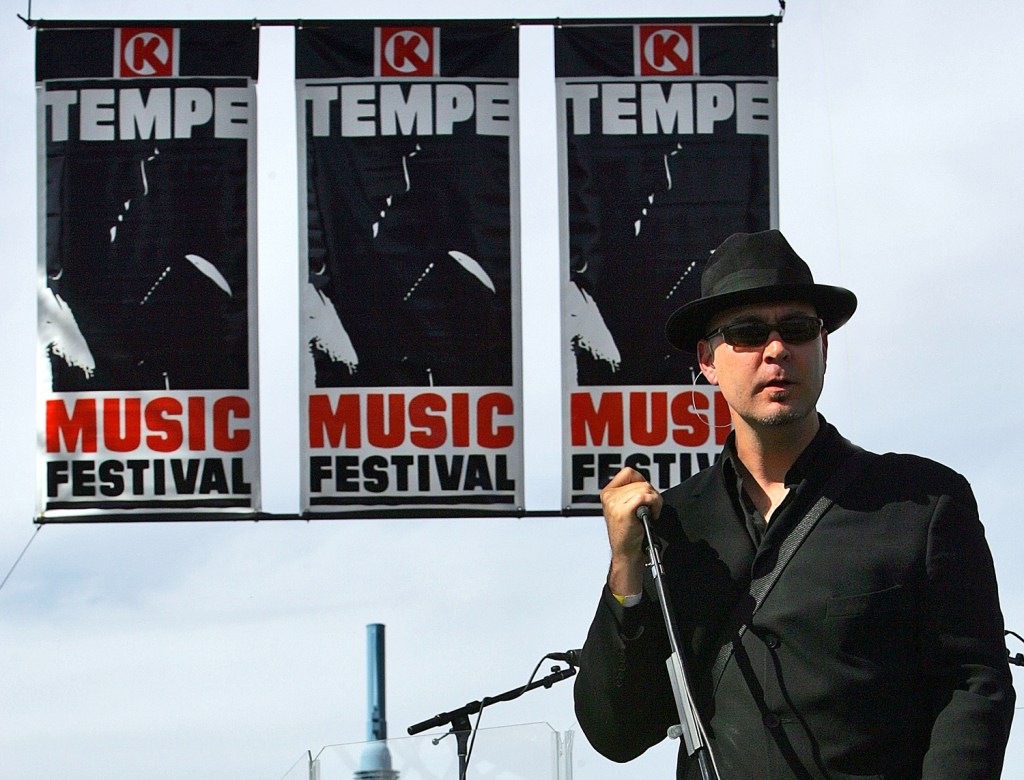
Tempe Music Festival was one of Arizona’s biggest annual concert events of the 2000s. Launched in 2003 by Scottsdale-based event promoter Entertainment Solutions, the multi-day fest transformed Tempe Beach Park into a live music epicenter.
Tempe Music Festival’s lineup mixed local talent with national names. Its inaugural year included The B-52 and Theory of a Deadman. The second edition featured Sugar Ray and punk vets Pennywise and Unwritten Law. By 2008, TMF’s lineup boasted Fergie and My Chemical Romance.
For seven years, the festival mixed rock and pop with a local vibe and helped prove Tempe Beach Park could host major festivals with enormous crowds.
But booking headliners became harder. By 2010 the organizers pulled the plug due to scheduling and booking issues, and TMF faded from the scene. Tempe’s music legacy lives on, even if the festival doesn’t.
Melissa Menzinger
Lost Lake Music Festival
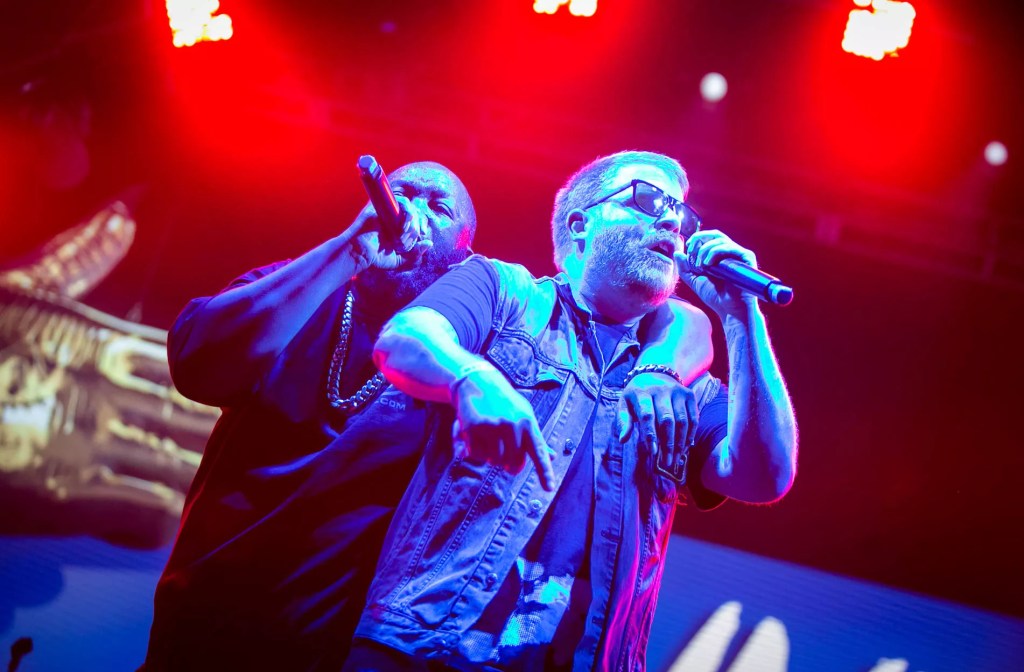
Lost Lake arrived in Phoenix like a boss, but only lasted a single year. In October 2017, powerhouse festival promoter Superfly transformed Steele Indian School Park into a three-day hub for indie kids, EDM diehards and foodies with disposable income.
The lineup was a flex with The Killers, Chance the Rapper, Major Lazer and Run the Jewels, while the setup and included art installations and local restaurant heavyweights.
For one weekend, Phoenix felt like a national festival city instead of a flyover afterthought. More than 40,000 people attended and the following year was set to feature SZA, Future and The Chainsmokers.
Then, Lost Lake evaporated.
In July 2018, Superfly pulled the plug on year two, citing a crowded festival market and shifting priorities. Translation: The math did not math. Phoenix’s splashy new marquee event became a one-year wonder.
Benjamin Leatherman
Wet Electric
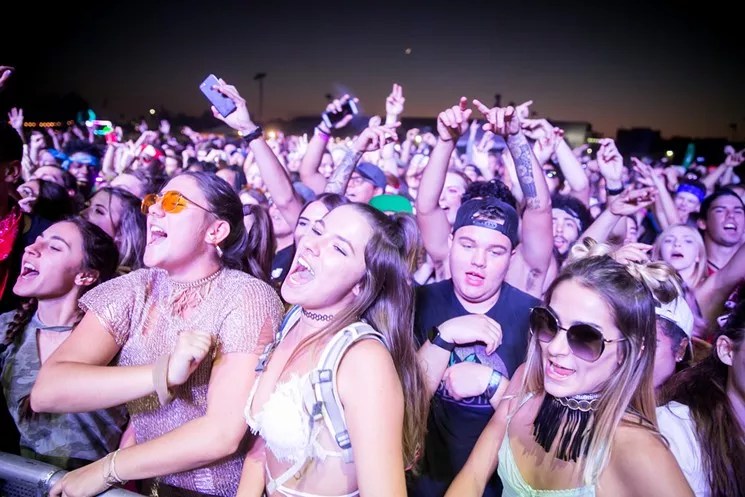
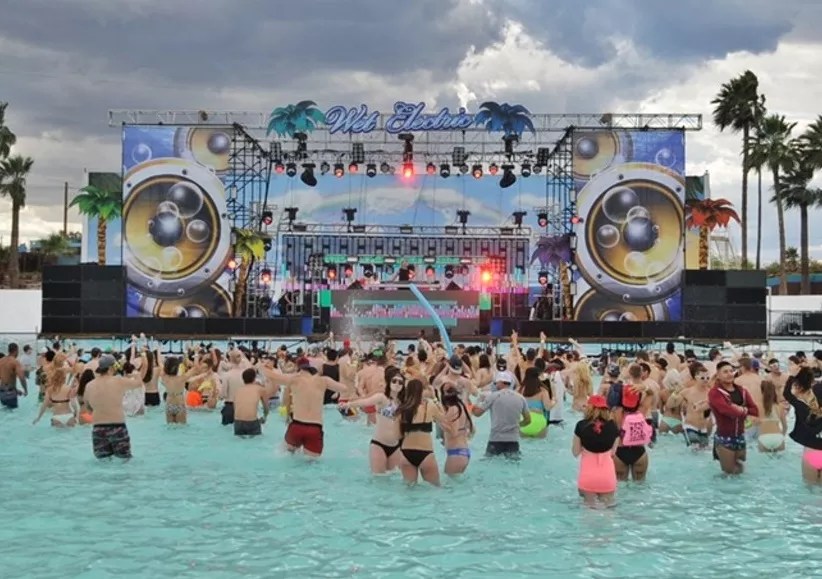
Wet Electric transformed Tempe’s Big Surf into an annual waterpark rave. The EDM festival co-produced by California-based promoter Activated Events and Arizona company Relentless Beats mixed big beats with beachside party vibes.
During the 2010s, Wet Electric was one of the Valley’s biggest music festivals of the spring. The main stage was located in Big Surf’s iconic wave pool. Headliners like Tiësto, Diplo, Dillon Francis, Flux Pavilion and Adventure Club played the event.
When the pandemic hit in 2020, Wet Electric was postponed. Big Surf, which went dark due to COVID-19 and never reopened, was sold in 2022 and later demolished. Activated Events and Relentless Beats still stage music fests in metro Phoenix on the regular, but Wet Electric has never resurfaced.
Dave Cottle
Apache Lake Music Festival
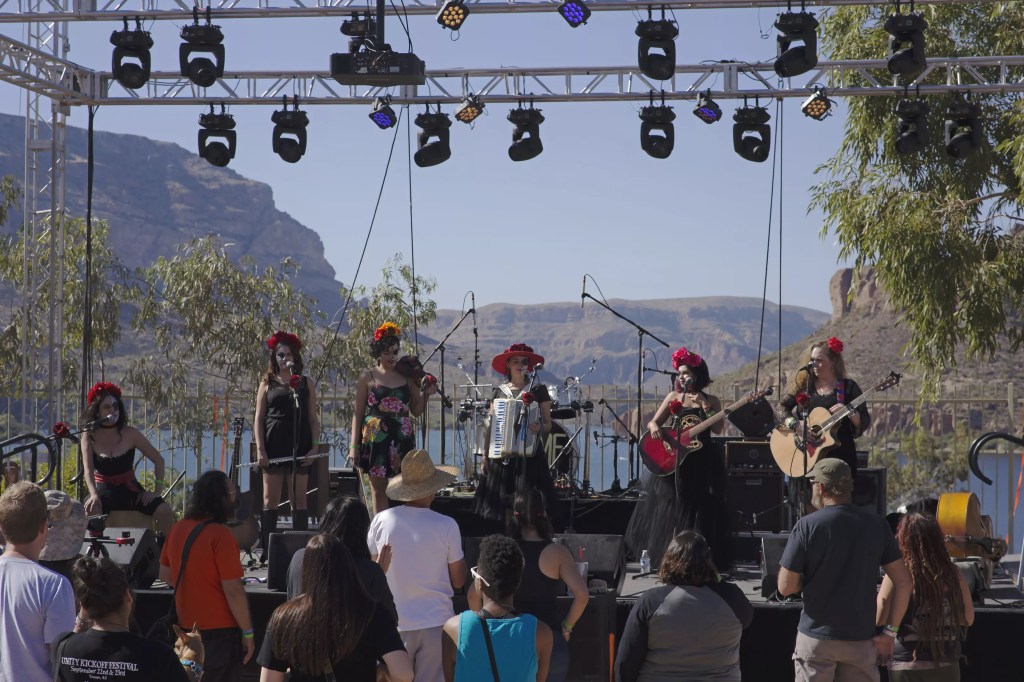
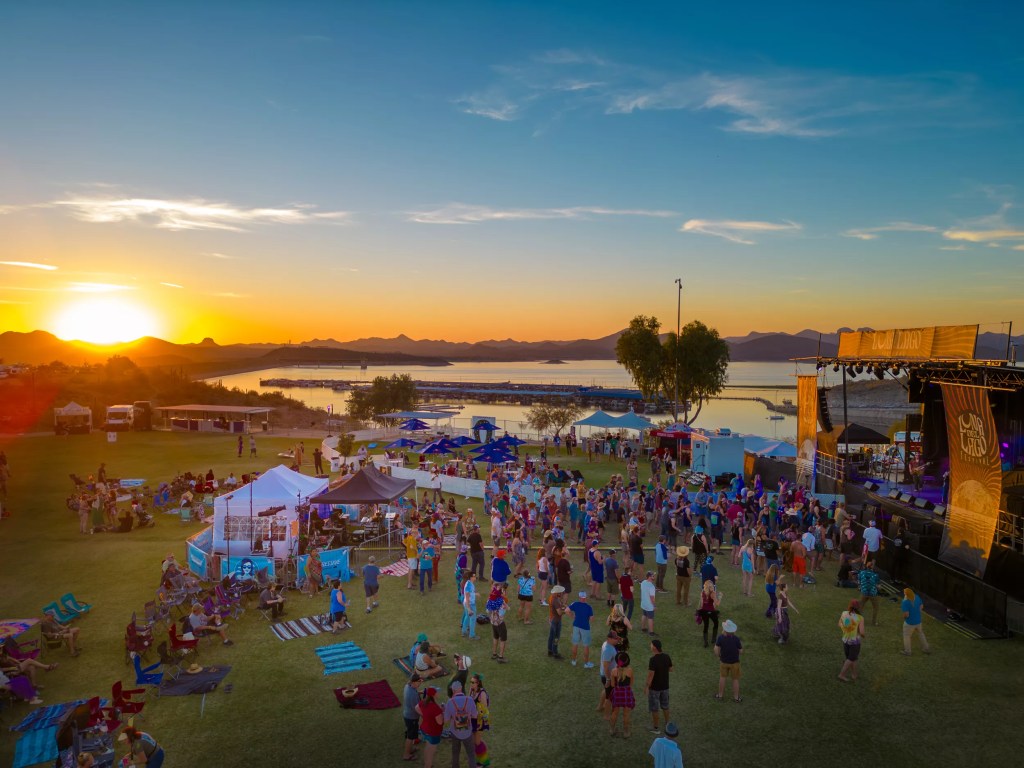
Apache Lake Music Festival was a paradise for local music fans. For a decade, Arizona bands caravanned to the Apache Lake Marina resort northeast of Phoenix every fall to perform on the shore as attendees camped out and rocked out.
Co-founded by Last Exit Live owner Brannon Kleinlein and local bassist Paul “PC” Cardone, the festival grew a tight-knit following among locals.
By 2019, ALMF had achieved iconic status in the Phoenix scene. Then the waters started getting choppy. The pandemic caused the event’s postponement in 2020. The following year, the marina was sold to new owners.
Prospective plans to bring the fest back ran aground over issues of money and control. A social-media spat over rights to the Apache Lake Music Festival name turned ugly, and the marina owners briefly tried claiming it themselves before shelving their own version.
Kleinlein says the event will likely never return, largely due to Cardone’s death in 2022.
“PC was such a big part of it,” Kleinlein says. “That was kind of a nail in the coffin for me, really. Personally, the way I feel right now, I wouldn’t have an interest in doing it.”
Chadwick Fowler
Luna Del Lago Music Festival
Luna Del Lago aimed high and ran into reality. Kleinlein launched the festival at Lake Pleasant in November 2023 as a bigger, bolder follow-up to ALMF.
He brought in an eclectic mix of local and national touring bands across rock, reggae, soul and alt-country. Monophonics, Black Joe Lewis, Ballyhoo! and The Brothers Comatose headlined amid against sweeping desert views and open water sunsets. The vibe felt expansive and laidback.
Then the market pushed back.
Scottsdale’s Dreamy Draw Music Festival debuted the same weekend and chased a similar indie and alt-country crowd. Kleinlein also had to build Luna Del Lago from the ground up at Lake Pleasant. He brought in fencing, power, stages, restrooms and security. Post-COVID price hikes drove costs even higher.
“It’s unfortunately a result of today’s festival market, which is oversaturated right now,” Kleinlein says. “Cost is also what makes festivals so difficult to put on now nowadays, because everything’s gotten more expensive now in the last five years.”
He hasn’t staged Luna Del Lago since, but doesn’t rule out a return.
“There’s always a possibility, but I think without some backing some investors and things like that,” he says. “It’s just too much of a risk financially.”
Jim Louvau
The Vanishing Show
The Vanishing Show wasn’t a festival in the traditional sense.
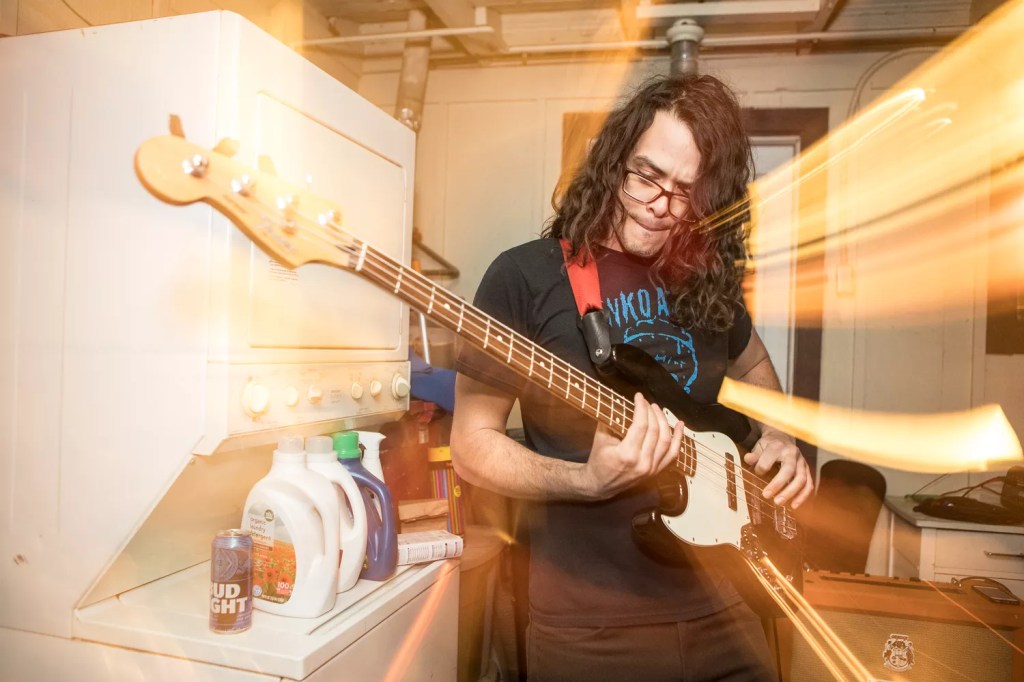
Forget stages and barricades. The yearly DIY showcase turned Tempe’s Maple-Ash-Farmer-Wilson neighborhood into a walkable indie rock feast every March from 2015 to 2019. DJ and community organizer A Claire Slattery booked local bands and built its reputation on chaos, curiosity and word-of-mouth.
The gimmick was the genius. Each year, the first location dropped online. Fans showed up for a short set inside a house or backyard. Then came the next address and the crowd moved.
It was loose, lawless and entirely local. You didn’t just watch. You followed. The Vanishing Show captured a scrappy DIY spirit bigger festivals couldn’t fake and Tempe cops tried to squash. Police shut down a few editions over noise complaints, but the show kept moving.
Then, fittingly, it disappeared. COVID wiped out the planned 2020 edition and it never returned.
Slattery says a comeback is possible, but only if someone else takes over.
“What started off as something fun morphed into something I could no longer handle, mentally,” Slattery says. “Every year my anxiety around the event increased.”
She’s hoping someday the Vanishing Show will reappear, though.
“I’m always rooting for a comeback, but I’m not the right person to resurrect it,” Slattery says. “If you think you’re the right person and want to give it a go, let’s talk about it.”