
Trinity Mirror/Mirrorpix/Alamy

Audio By Carbonatix
Arizona’s night skies will give local skywatchers a full year of must-see stargazing events in 2026.
Cosmic spectacles like meteor showers, lunar eclipses, full moons and potentially bright comets will fill the calendar and inspire awe.
A rare Christmastime supermoon is also on tap, along with a slim chance of the northern lights appearing over Arizona. The year brings an added bonus with the opening of the International Dark Sky Discovery Center in Fountain Hills.
Thanks to Arizona’s clear nights and dark-sky landscapes, many of 2026’s biggest astronomical events will be easy to spot without special equipment. Below is a breakdown of each phenomenon, along with when to watch and what makes each event worth seeing.
Here’s when to look up and what to watch for across Arizona’s skies in 2026.
Jim Palmer
When are the full moons in Arizona in 2026?
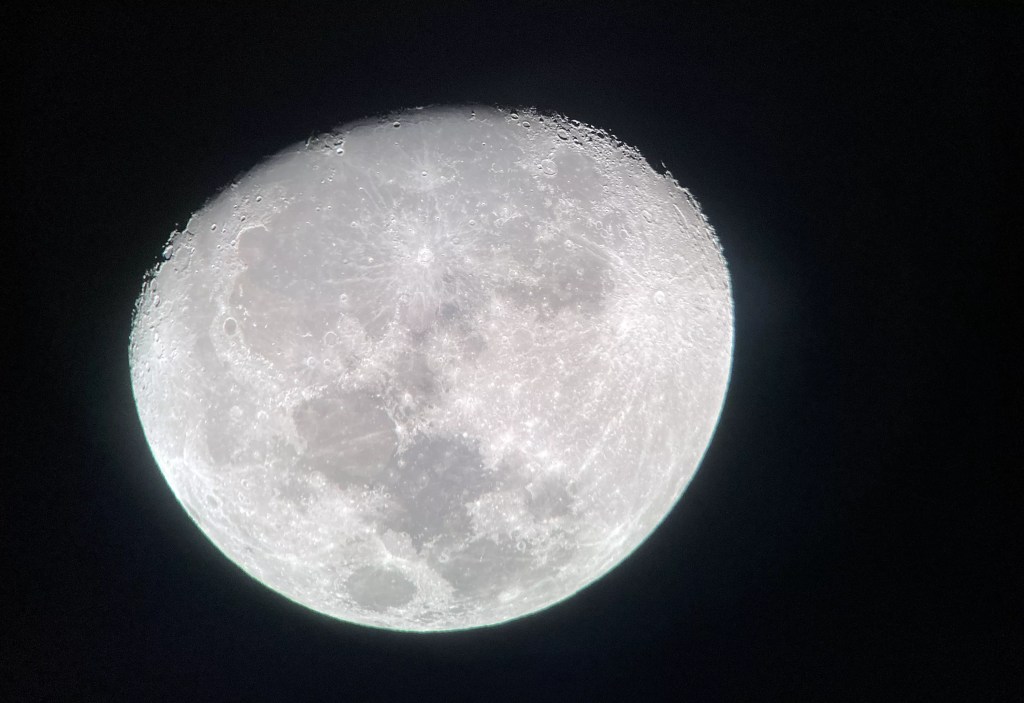
Most years bring one full moon each month, but the year ahead adds a rare bonus. There will be 13 full moons in 2026, thanks to a blue moon occurring in May. Each full moon will brighten Arizona’s night skies, even when clouds drift overhead.
Here are the dates of the full moons in 2026:
- Jan. 3: Wolf Moon
- Feb. 1: Snow Moon
- March 3: Worm Moon
- April 1: Pink Moon
- May 1: Flower Moon
- May 31: Blue Moon
- June 29: Strawberry Moon
- July 29: Buck Moon
- Aug. 28: Sturgeon Moon
- Sept. 26: Harvest Moon
- Oct. 26: Hunter’s Moon
- Nov. 24: Beaver Moon
- Dec. 23: Cold Moon
Tonia Graves
When are the supermoons in 2026?
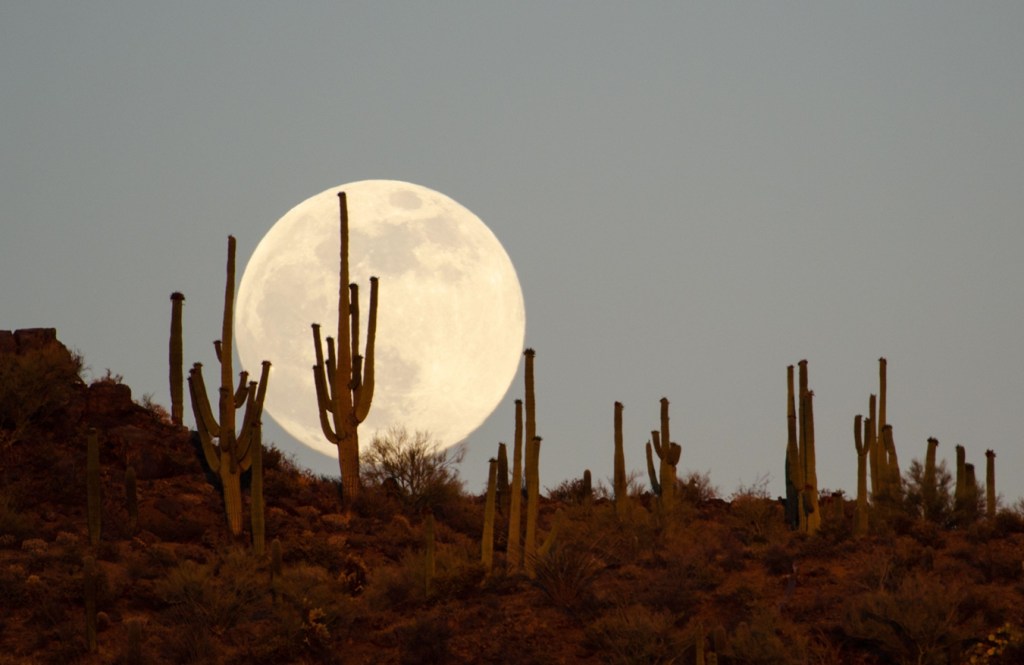
Supermoons happen when the moon reaches its closest point to Earth during its full phase, appearing spectacularly larger and brighter than normal. These luminous lunar showstoppers stand out even in light-polluted areas of the Valley and elsewhere. Arizona will see several supermoons in 2026, and you won’t have to wait long: The first occurs in early January, while the others occur in the last two months of the year. A supermoon also makes a Christmastime appearance.
Here are the dates of the supermoon in 2026:
- Jan. 3
- Nov. 24
- Dec. 23
Matthias Hangst/Getty Images
When are the eclipses in Arizona in 2026?
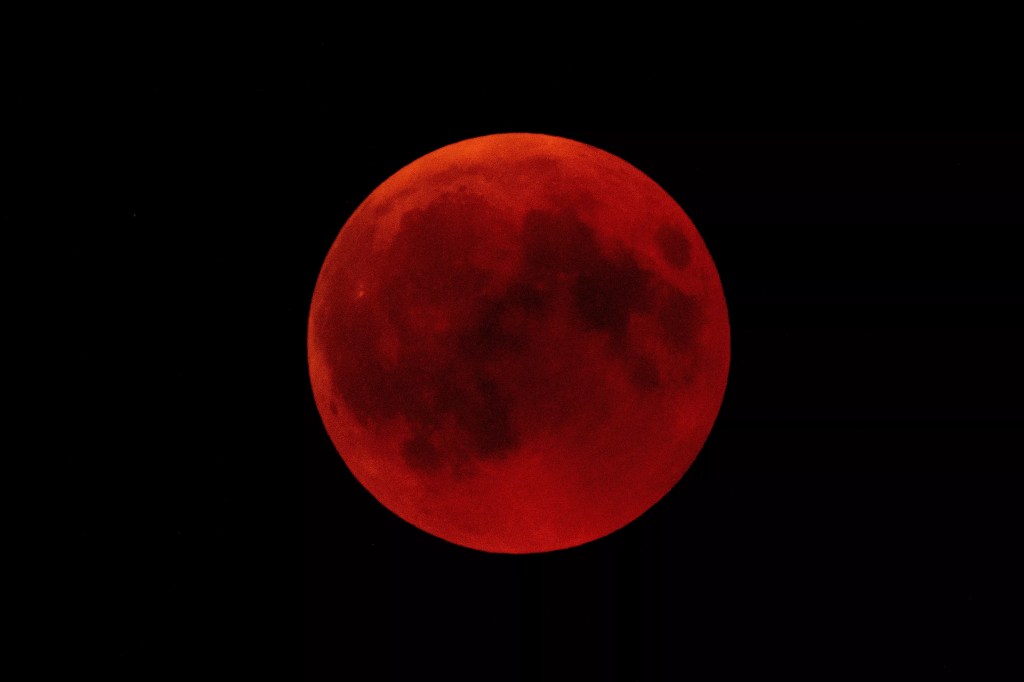
Arizona will miss the total solar eclipse in August 2026, which will be visible in Greenland, Iceland and Spain. The state won’t miss out entirely, though, thanks to two lunar eclipses lighting up the calendar. A total lunar eclipse on March 3 will unfold before sunrise, casting the moon in a deep red Blood Moon glow. Later in the year, a partial lunar eclipse will occur on the evening of Aug. 27 into Aug. 28. And you won’t need any binoculars or a telescope to see either happen.
Paul Balfe/CC BY 2.0/Flickr (cropped)
When are the meteor showers in Arizona in 2026?
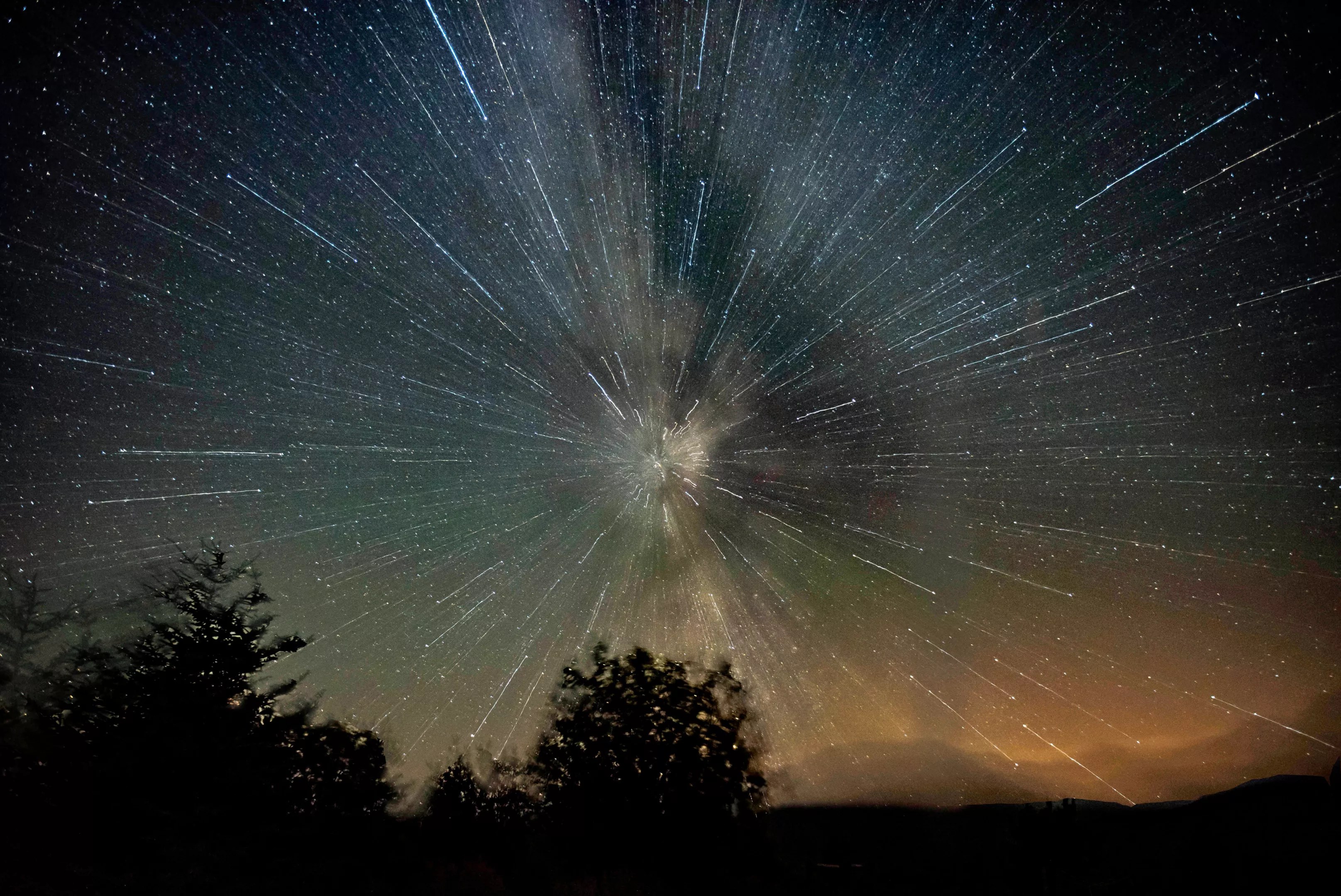
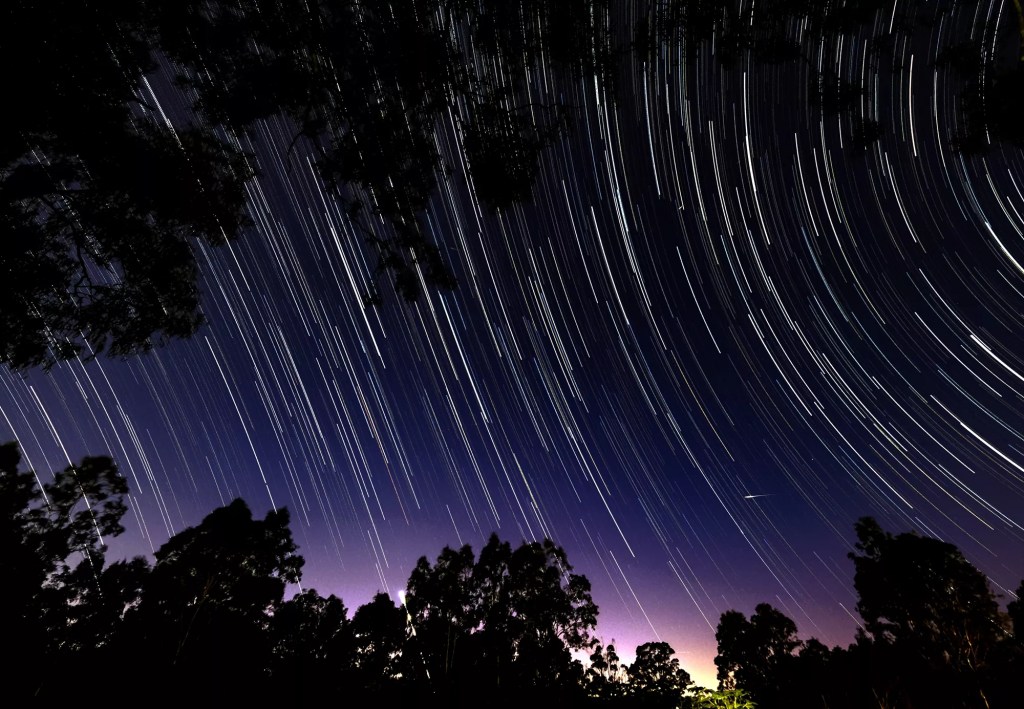
Meteor showers remain some of the most crowd-pleasing sights in the night sky. Streaks of light flare overhead as Earth passes through debris left behind by comets. Arizona’s wide-open horizons and clear skies make it an ideal place to watch shooting stars light up the darkness.
While the Perseids in August and the Geminids in December steal the spotlight thanks to their high rates and bright fireballs, the rest of the year’s meteor showers are still well worth watching.
Here are the peak dates for each meteor shower visible in Arizona in 2026.
- Jan. 3 and 4: Quadrantids Meteor Shower.
- April 22 and 23: Lyrids Meteor Shower
- May 6 and 7: Eta Aquarids Meteor Shower
- July 28 and 29: Delta Aquarids Meteor Shower
- Aug. 12 and 13: Perseids Meteor Shower
- Oct. 7: Draconids Meteor Shower
- Oct. 21 and 22: Orionids Meteor Shower
- Nov. 4 and 5: Taurids Meteor Shower
- Nov. 17 and 18: Leonids Meteor Shower
- Dec. 13 and 14: Geminids Meteor Shower
- Dec. 21 and 22: Ursids Meteor Shower
Will comets be visible in Arizona in 2026?
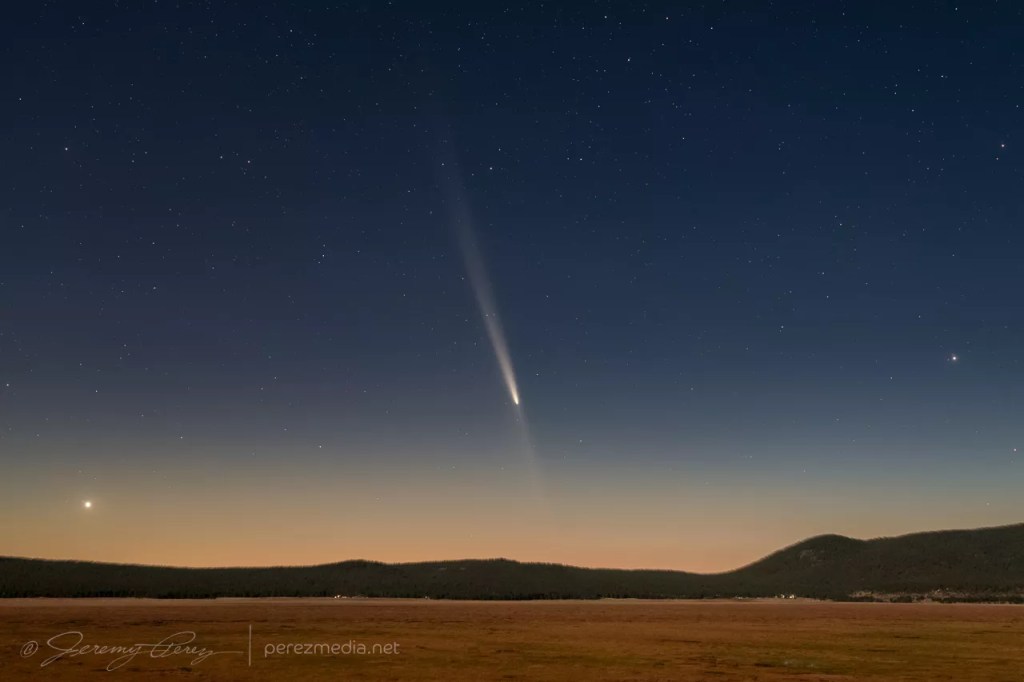
Short answer? Maybe. A pair of bright comets could give Arizona skywatchers a couple of early-year excuses to stargaze in 2026.
Comet C/2024 E1 (Wierzchos) passes through the Northern Hemisphere between January and early March, best spotted low on the southeastern horizon just after sunset. Comet 24P/Schaumasse, peaks in January and February and favors late-night viewing, appearing in the eastern sky after midnight. While comet brightness can vary wildly, both might be visible for binocular or telescope viewing.
Bob Hughes
Will the northern lights be visible in Arizona in 2026?
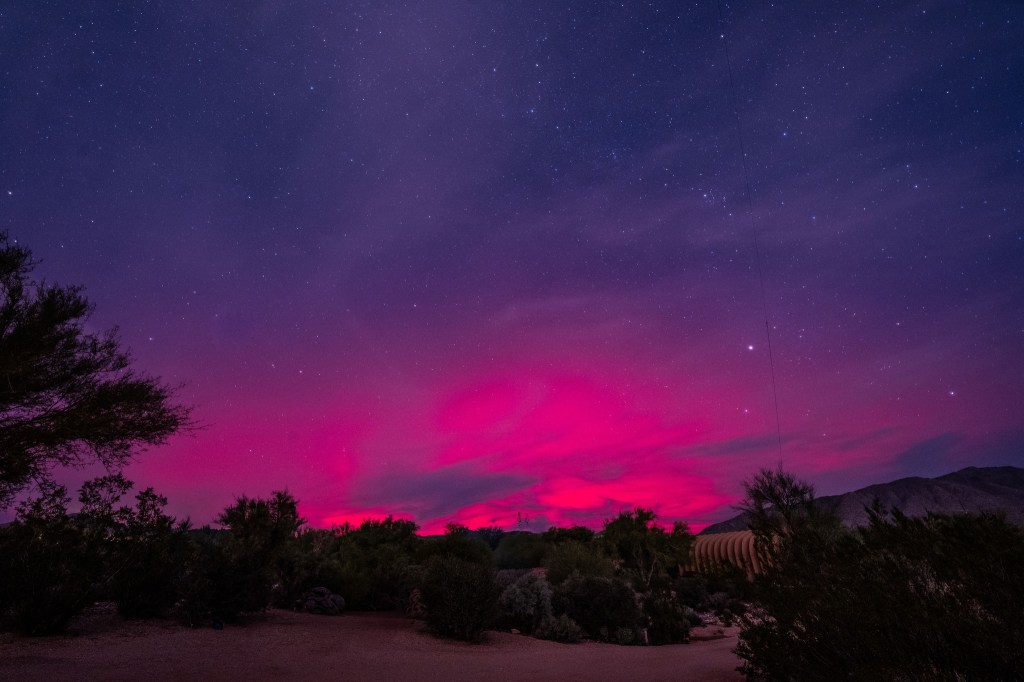
Yes, the northern lights could make rare appearances in Arizona again in 2026, though nothing is guaranteed. These colorful displays happen when strong solar storms send charged particles crashing into Earth’s atmosphere. Over the past few years, intense solar activity has pushed auroras far south, lighting up skies across Arizona on rare nights. With the sun still in an active phase, skywatchers have a real chance to catch another surprise glow in 2026.