
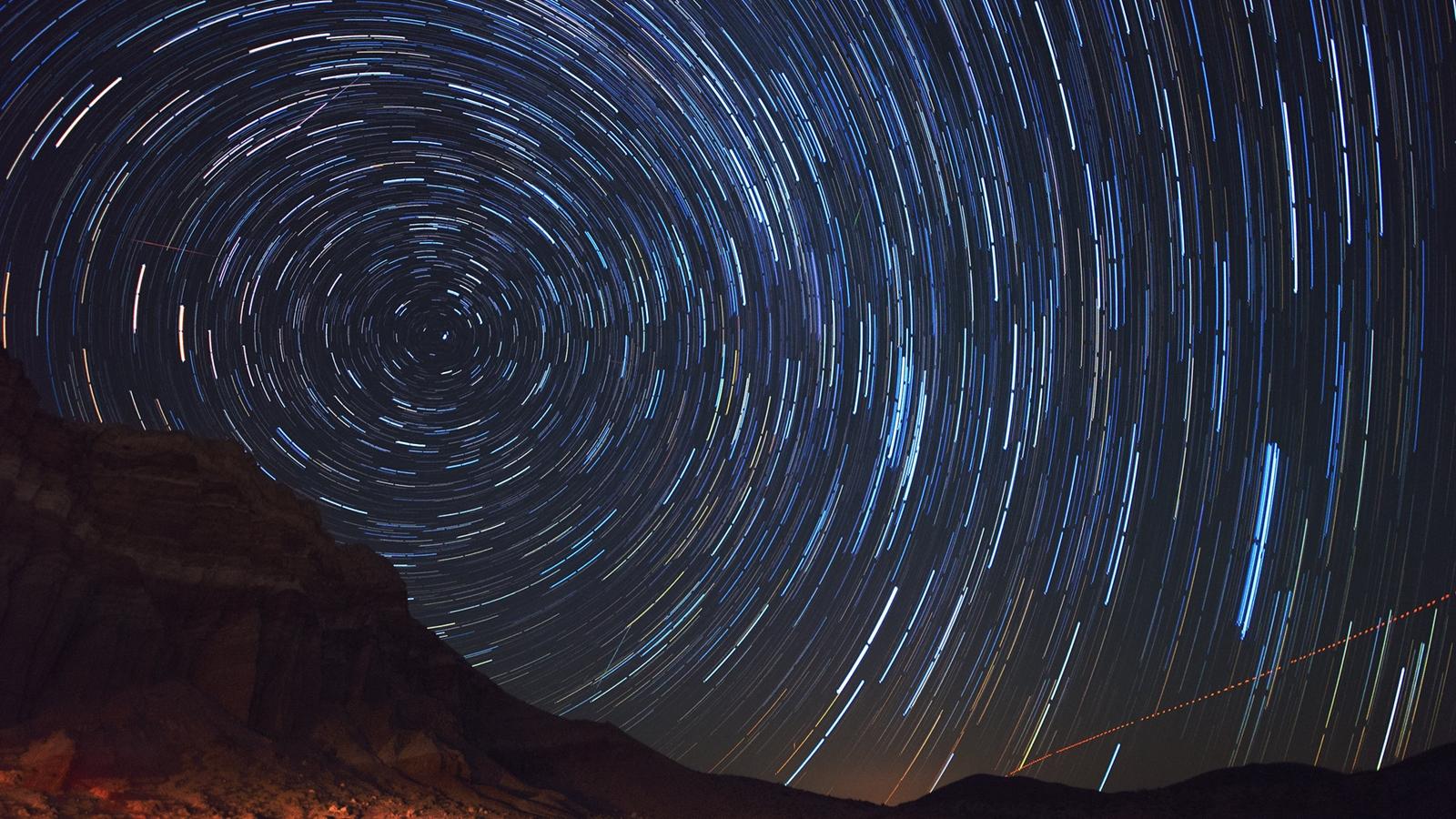
Matthew Dillon/CC BY-SA 2.0/Flickr

Audio By Carbonatix
Reader support matters more than ever
We're in the final stretch of our summer campaign. Our goal is to raise $15,000 to support the journalism our community relies on. Reader support is helping shape the future of local news.
The biggest skywatching event of the summer returns this week. The annual Perseid meteor shower, one of the year’s brightest and most prolific displays of shooting stars, is set to peak.
Taking place each year in late July and August, the Perseids are a favorite with skywatchers thanks to their abundance of fast, bright meteors and occasional spectacular fireballs.
At their peak, the Perseids can produce dozens of meteors per hour under dark skies, making for one of the summer’s most spectacular celestial shows.
If you’d like to catch the Perseids over Arizona, here’s everything to know about when and where to look.
When is the Perseid meteor shower?
The Perseid meteor shower occurs nightly through late August.
When is the peak of the Perseid meteor shower?
In 2026, the Perseid meteor shower will peak on Wedneday, Aug. 12, into the early hours of Thursday, Aug. 13.
What’s the best time to see the Perseid meteor shower tonight?
The best time to catch the Perseids is typically between midnight and dawn, under ideal circumstances. The good news is there won’t be any moonlight hampering your view of the meteors, thanks to the peak of the Perseids coinciding with a new moon.
In other words, Arizona skywatchers can see more shooting stars than in recent years.
Where do you look to see the Perseid meteor shower?
You’ll want to look north in the direction of Perseus, which will rise in the sky after midnight.
How many meteors will I see during the Perseids?
There’s a reason why the Perseid meteor shower is widely considered to be the biggest and most active of the year. Between 60 to 100 meteors per hour light up the sky during the peak of the Perseids under ideal conditions.
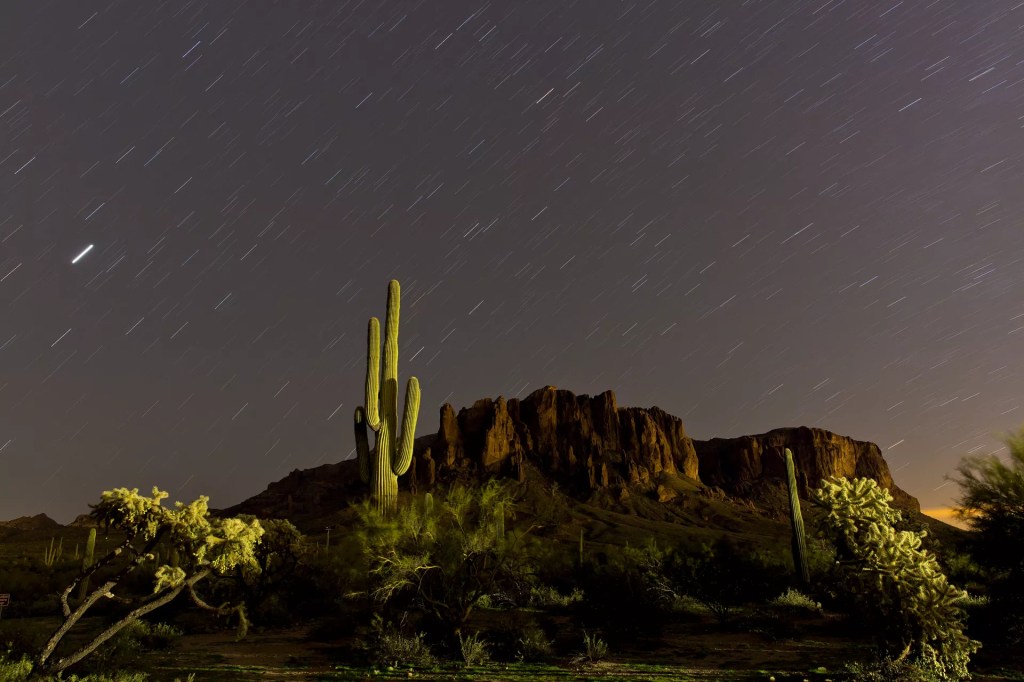
Arizona State Parks
Where can I see the Perseid meteor shower in Arizona?
Essentially, anywhere with open skies that’s as dark as possible and far from city lights. You’ll want to head to the outskirts of metro areas like Phoenix or Tucson. Other options include any of the following local parks that near the edges of the Valley:
- Lost Dutchman State Park, 6109 N. Apache Trail, Apache Junction
- Park Meadows Park, 20611 W. Carlton Manor, Buckeye
- Thunderbird Conservation Park 22800 N. 59th Ave., Glendale
- South Lake Park, 11111 San Miguel, Goodyear
- Pecos Park, 17010 S. 48th St., Phoenix
The following Arizona cities and towns are also official International Dark Sky communities and allow for optimal skywatching experiences:
- Bisbee
- Camp Verde
- Cottonwood
- Flagstaff
- Fountain Hills
- Oak Creek
- Sedona
What causes the Perseid meteor shower?
The Perseid meteor shower is the result of the Earth traveling through the ice, rocks and other debris shed by Comet Swift-Tuttle. These tiny bits on interstellar matter will burn up in our atmosphere as our planet passes through the detritus each year.