
Anthony Barco & Jason Luna for Phoenix New Times

Audio By Carbonatix
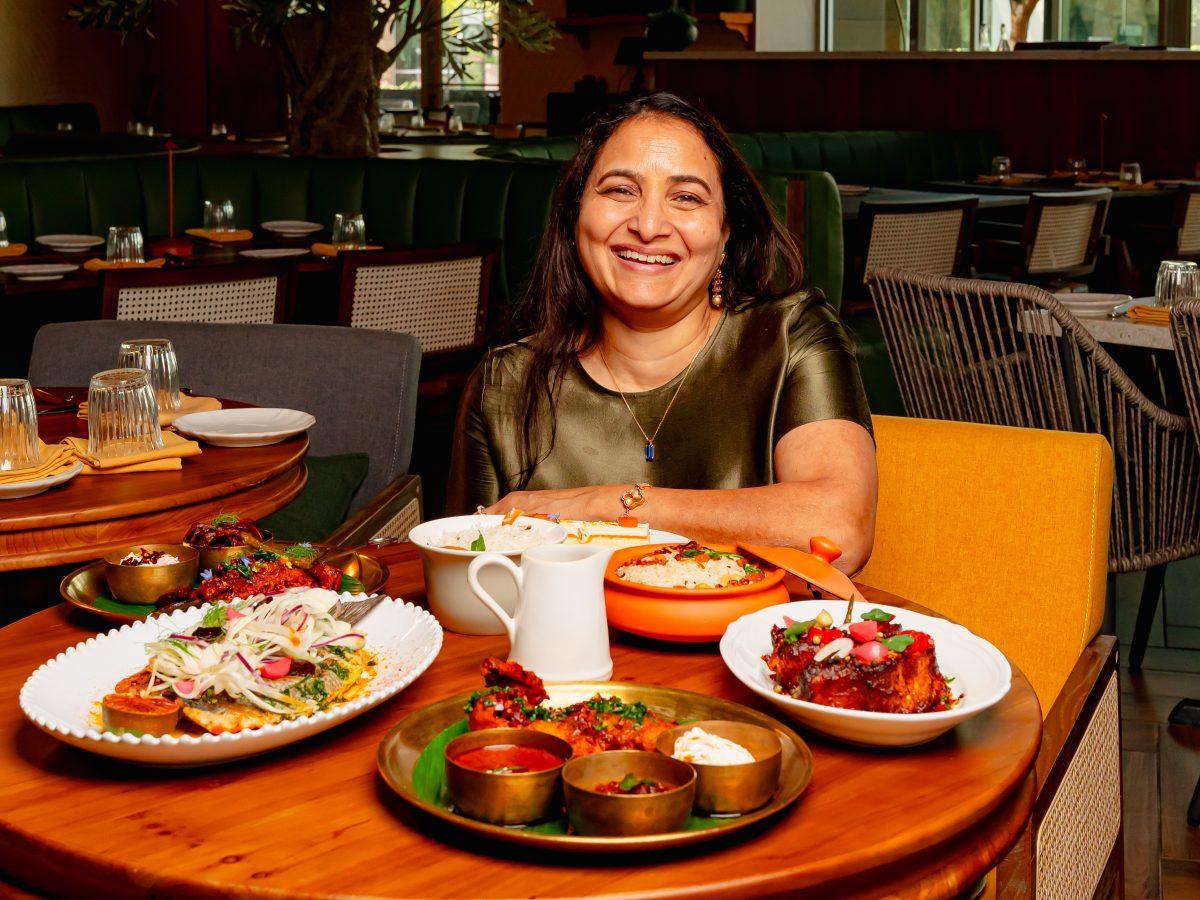
Madhavi Reddy remembers peeking out from behind burlap gunny sacks of rice as she played hide-and-seek with her siblings. They giggled and ran among hundreds of bags, packed tightly with grains of rice grown on her family’s farm in Telangana, in southeastern India.
Her family and the surrounding farmers raised the staple starch along with corn and peanuts. Each morning, she gazed out at the “lavish” rows of verdant crops as she walked by the buffalo and chickens to grab a mango from one of the many fruit trees.
In college, she studied agriculture, business and marketing in Hyderabad, the big city southwest of the farm. Ideas percolated in her mind about what the future could hold — coming up with the hottest new snack for a big company or transitioning her family’s land to organic farming.
“I always wanted to be in the field,” Reddy says. “I grew up looking at the crops, the nature.”
Life had other plans. Later on, she married a physician whose job brought the couple to the United States. They started a family, and she settled into corporate IT work for the next two decades. But Reddy never lost sight of her passion for food.
While still balancing her day job, Reddy opened the fast-casual restaurant and bakery Pastries N Chaat in Phoenix. She grew it into more than a dozen locations nationwide, and later opened an Indian grocery store, Raithu Bazaar, which has two Valley locations.
She’d found success in food, but something still gnawed at Reddy, a petite woman with long, ebony hair and soft eyes that seem to notice everything.
“People used to say, ‘Hey, you don’t have a bar. Hey, you don’t have this,’” she says. “I wanted to bring this elevated cuisine on par with (the) American restaurant industry.”
Looking at lists of the top restaurants in town, she didn’t see any Indian restaurants and recalls thinking, “Why can’t we have one?”
Reddy set out to build her own.
Provided by Feringhee
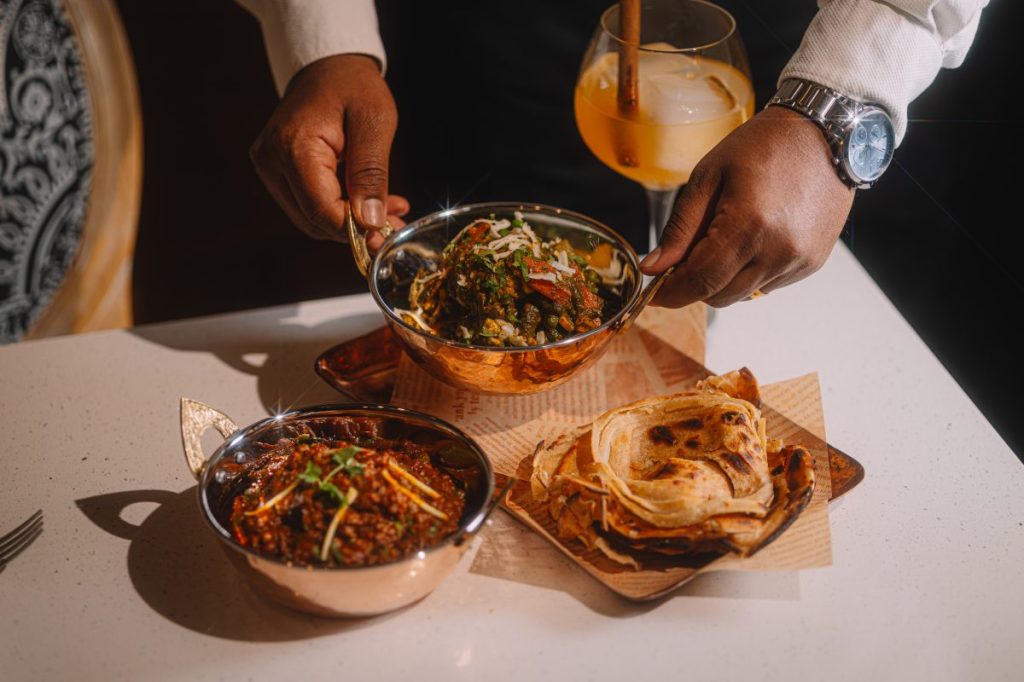
In 2022, she launched the elegant Indian restaurant Feringhee with chef Sujar Sarkar in a former outpost of Pastries N Chaat near Chandler Fashion Center. She transformed the rustic, homey restaurant into a dinner destination with peacock-blue paint and saffron-gold banquettes.
“I really wanted to put Phoenix on the map for fine dining,” she says.
Sarkar and the original head chef, Karan Mittal, crafted a menu that blended familiar Indian dishes with modern, sometimes molecular, techniques and unexpected ingredients like edamame and avocado.
While some dishes were served in traditional karahis and earthenware pots, others came ensconced in the billowing fog of dry ice or presented in halved coconut shells. Those jaw-dropping dishes were delivered to diners with white-glove service and paired with wine or colorful cocktails in the opulent jewel-toned dining room.
By the end of the year, the Indian restaurant had been added to the best restaurant lists, where Reddy had seen a gaping void.
Reddy and Sarkar’s fashionable haunt was a harbinger of the wave of new restaurants highlighting India’s cuisine around the Valley, echoing a trend sweeping the country.
Since Feringhee debuted in 2022, a handful of elevated spots have joined the mix. Each eatery is a little different, but its chefs and owners share a reverence for their homeland’s cuisine and a dogged desire to introduce it to others around Phoenix.
Provided by Bahaara Indian Kitchen
Waiting for the right time
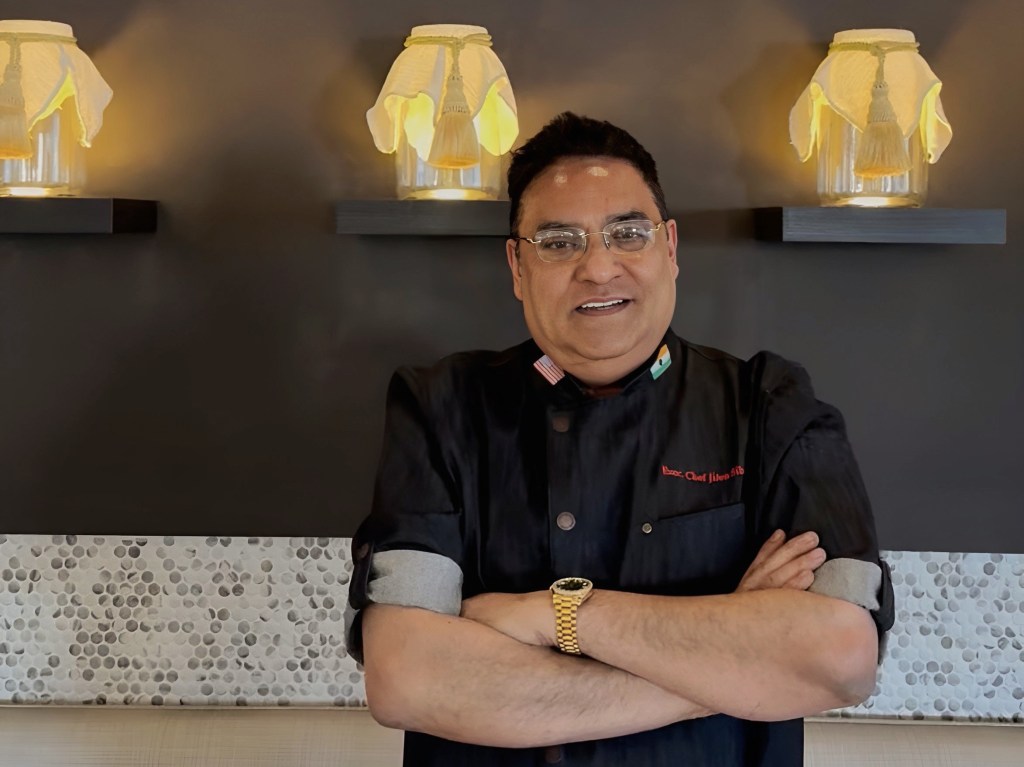
Jiten Sibal opened Bahaara Indian Kitchen in Tempe in May 2025. The Indian restaurant scene in Phoenix today is a far cry from the Valley that welcomed Sibal in 1993.
He’d built a culinary career in other parts of the world, starting at the revered Delhi resort restaurant Bukhara, then opening eateries around India and Saudi Arabia before moving to the U.S.
When he arrived in Phoenix, Sibal drove down Bell Road, home to a cluster of Desi restaurants and markets offering South Asian food and products. He pulled up a seat at an Indian restaurant and struck up a conversation with the owner, eager to get feedback about opening his own spot. The owner’s response was less than inspiring.
“Whoever comes over here tells me, ‘my wife cooks better than you,'” Sibal recalls him saying.
Concerned by the tepid welcome and Americans’ general lack of knowledge about Indian food, Sibal turned his attention elsewhere. He opened a Vietnamese restaurant, became a franchisee of several Filiberto’s restaurants and launched his own drive-thru chain, Riliberto’s Fresh Mexican Food.
Sara Crocker
By 2016, the pickings were still slim: only two of the 125 new restaurant openings tracked that year served Indian fare. In the last several years, however, he and other chefs have noted a shift in diners and an explosion of new Indian restaurants. He credits people learning more about food through international travel and the Desi diaspora. In the twilight of his career, Sibal returned to his plan to celebrate the historic Mughlai cuisine of northern India.
“I wanted to wait for the right time to come to open the right Indian restaurant,” he says.
In Tempe, the tall, gregarious chef calls his kitchen a laboratory. There, he and his chefs tinker with spices and herbs that infuse Bahaara’s traditional menu with bold flavor.
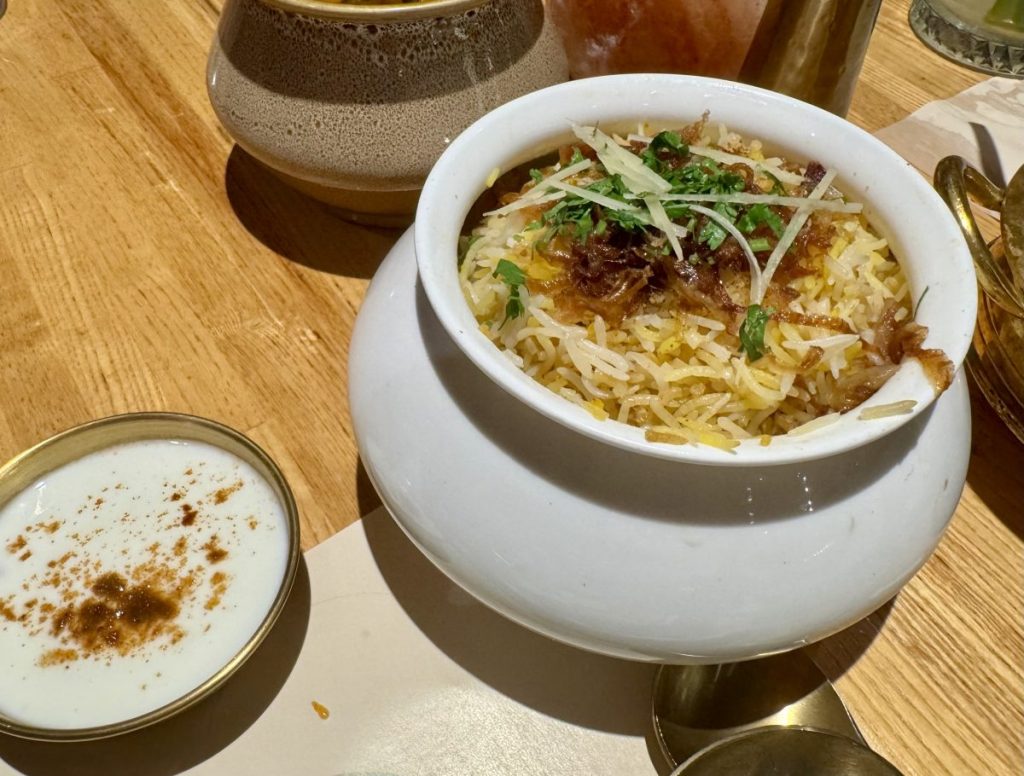
The restaurant’s luscious dal is cooked overnight, just as he learned at Bukhara, with ginger, garlic and spices. Once the lid of the ceramic pot is removed from Bahaara’s biryani, the warm scent of cardamom, cinnamon and saffron perfumes the table. The restaurant’s modern design and warm, familiar service place it somewhere between the everyday and special occasion.
“I want to give the last part of my life to Bahaara and my cuisine,” Sibal says, “so I can introduce it to anybody, everybody.”
Isaac Torres for Phoenix New Times
Indian cuisine finds new interest
The restaurateur is far from alone in that sentiment in the Valley. Newcomers have jumped in while others have doubled down on a more refined format. Two longtime friends who grew up together in the deserts of Dubai launched the spirited Indibar in Scottsdale, while Sarkar and Reddy followed up Feringhee with Nadu in north Phoenix.
When digging into the numbers, it was only a matter of time before Indian food rose to the fore in America.
More people live in India than in any other country in the world. Divided into 28 states and eight territories, India is also the second-largest country by land area. With such geographic and cultural diversity, the cuisine is equally expansive and varied.
The Asian population makes up just under 4% of the Valley’s residents, or about 184,000 people, but Asian Indians account for 27% of that group. That’s a larger concentration than in the greater U.S., where about 5.2 million people identify as Indian-American, accounting for about 21% of the country’s Asian population.
Provide by Tiya
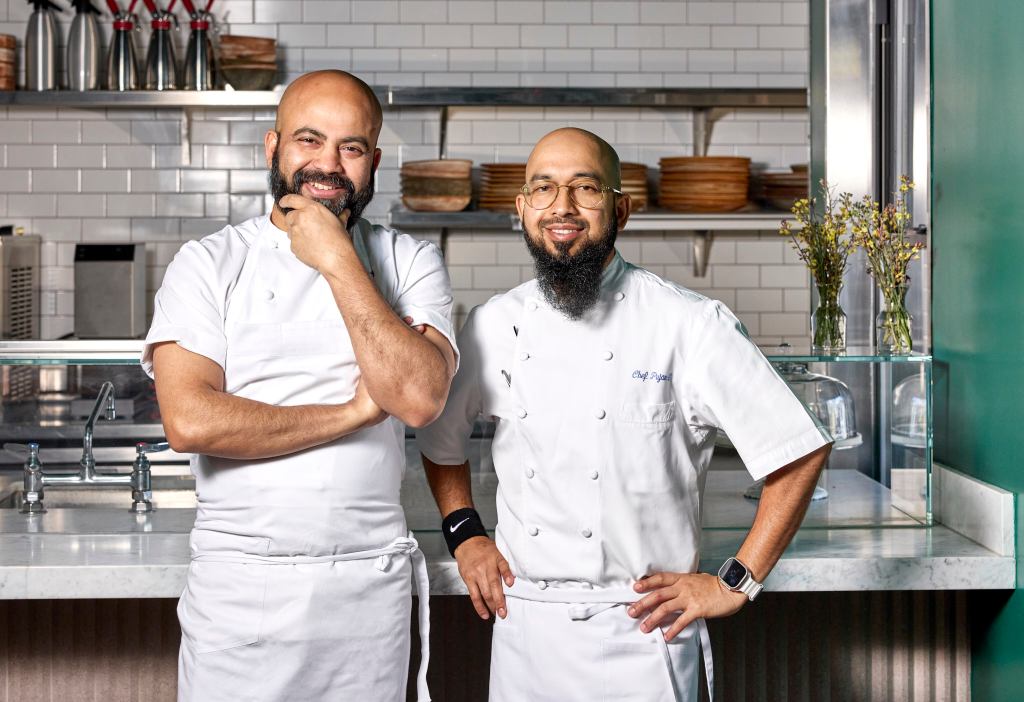
Chef Pujan Sarkar, Sujan’s brother and collaborator, oversees the kitchen at Nadu in Phoenix. The sparkling new restaurant is the latest to join the Valley’s growing elevated Indian dining scene.
Nadu got its start in Chicago, opening last year. The Sarkars and Reddy brought a second location of the pan-Indian restaurant to Desert Ridge Marketplace on June 26. The name means land in the family of languages spoken in southern India. Nadu’s kitchen crafts traditional and unique regional dishes that the Sarkars learned from chefs during their travels around India.
“We are talking about the land, and when you talk about the land, that’s our motherland,” Pujan says. “India is not itself a cuisine. India is a story. It’s a culture.”
Jason Luna for Phoenix New Times
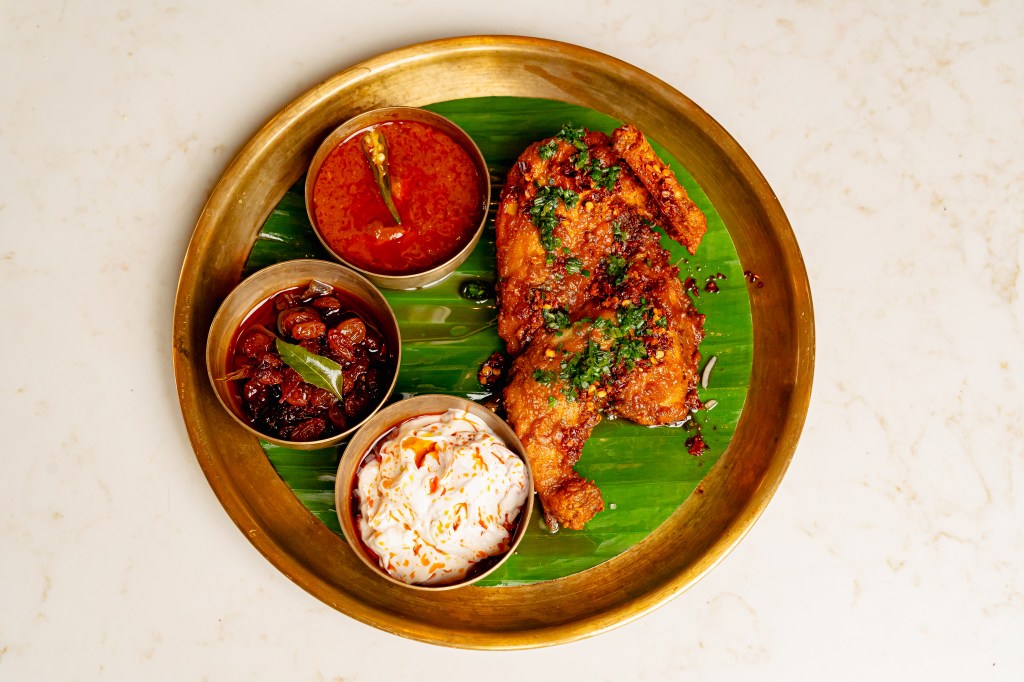
The country’s food is the third most popular worldwide, just after Italian and Japanese cuisines. Yet, in the U.S., Indian food has largely been reduced to a handful of well-known dishes like chicken tikka masala, biryani and vindaloo, served in neighborhood curry shops and casual buffets.
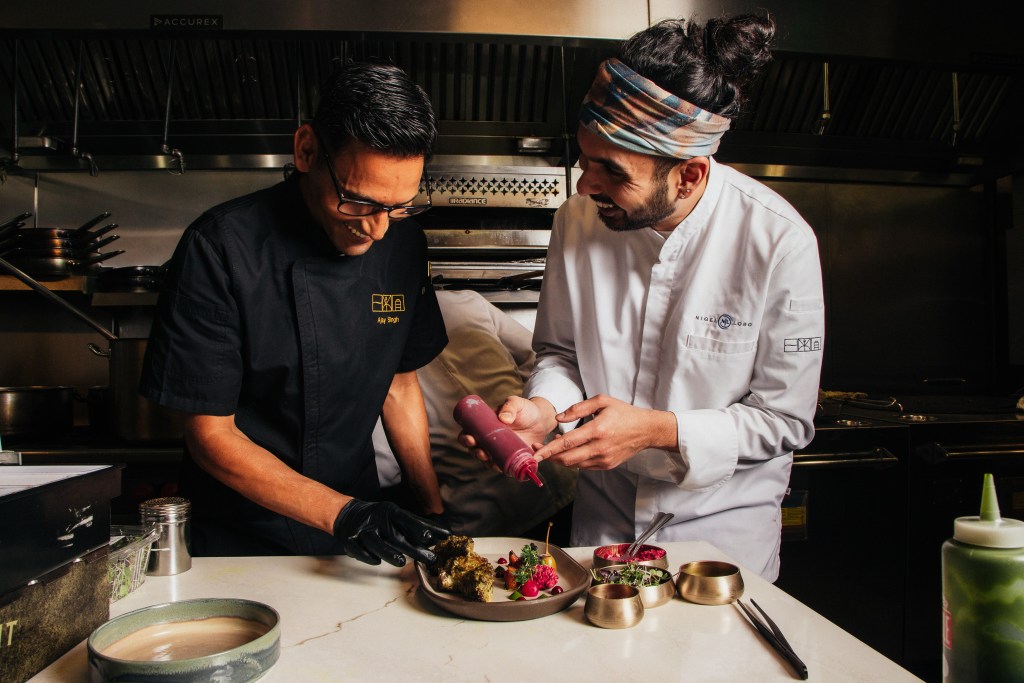
“For the longest time, people understood Indian food as being spicy with a lot of chiles, but I think that’s changing,” Indibar’s Executive Chef and Partner Nigel Lobo says. “New chefs (are) also helping bridge the gap and coming up with new, interesting, accessible food.”
Culinary tastemakers like the James Beard Foundation, Michelin Guide and national food media have validated their dedication. Sujan received a Michelin star in 2023 for his other Chicago restaurant, Indienne, which serves a fine-dining tasting menu. The restaurant has retained the honor in the years since, making it one of four Indian restaurants in the U.S. with that distinction.
Notable London-based Indian restaurants are making landfall in the States, too, upping the ante.
Dishoom, inspired by 1960s Bombay (now officially known as Mumbai), is expected to open in New York this year. JKS Restaurants, the massive London-based hospitality group behind acclaimed and Michelin-starred destinations, has opened two restaurants in the U.S. in the last year. Gymkhana, an homage to India’s private clubs, arrived at Aria Resort and Casino in Las Vegas in December, followed by the Punjabi-inspired Ambassadors Clubhouse in New York in February. Former Feringhee head chef Karan Mittal helms the latter.
In addition to Nadu, Pujan helms Tiya, a Michelin-recommended farm-to-table fine Indian restaurant in San Francisco that Reddy also backs, and has worked around the world. The hip chef, who sports a shaved head and wears thick, oversized black glasses, is energized by the response to what he, his brother and other chefs are creating in their restaurants.
“The last couple of years, you see how the Indian cuisine is going above and beyond,” he says.
Isaac Torres for Phoenix New Time
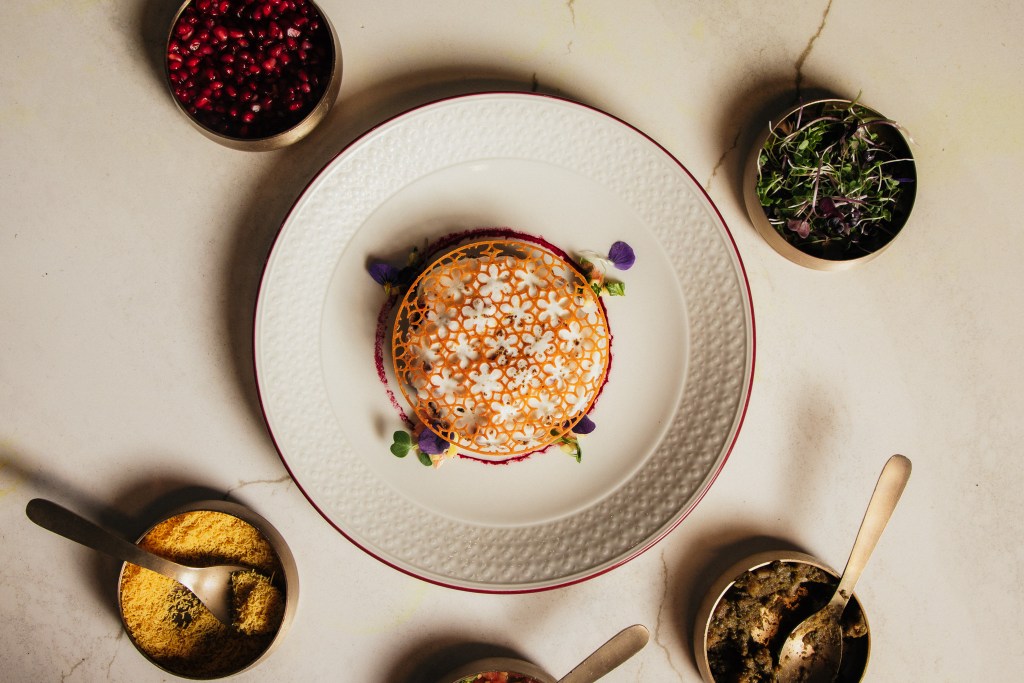
The Valley’s Indian restaurants are holding their ground on the national stage. Scottsdale’s Indibar was a James Beard Award semifinalist this year for Best New Restaurant. Managing Partner Jon Rodrigues and Lobo opened Indibar in the former home of the culinary institution Rancho Pinot in 2025.
“I just think Indian food is having its moment, which is long overdue,” Rodrigues says. “The complexity is finally getting recognized, and the artistry behind the cuisine is finally getting recognition.”
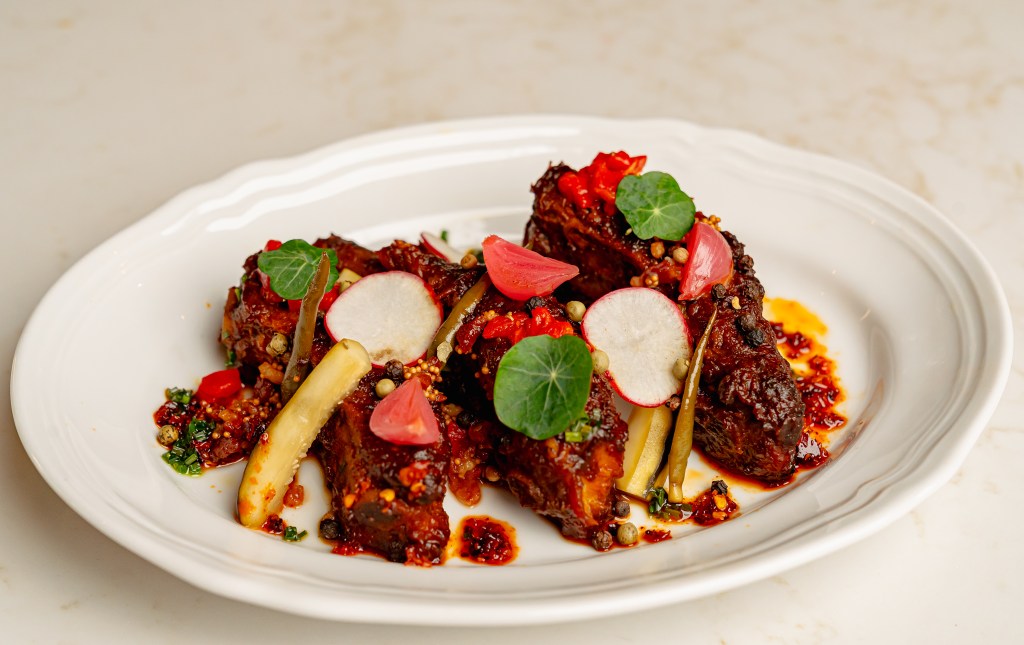
Lobo and chef Ajay Singh have built a menu that showcases hand-ground spices and masalas, meats kissed with charcoal in a tandoor and whimsical cocktails presented to diners in a stylish Art Deco-inspired dining room. They aim to stay true to their roots in India while pushing boundaries.
Diners can order the rustic, platonic ideal of butter chicken, served family-style in a large bowl. That can share a table with a Peruvian-inspired hamachi tartare in an Indian-style leche de tigre with crisp quinoa.
Rodrigues and Lobo are from the western coast of India but grew up in the United Arab Emirates. Lobo and Rodrigues’ families are linked through food. Rodrigues’ mother instructed Lobo’s on cooking, shared through phone calls. Lobo would also be chided by his mother, “You need to be like Jon, you need to study,” he recalls.
Instead, Lobo traveled the world cooking while Rodrigues became a physician. The chef reconnected with Rodrigues about five years ago, when he reached out with a proposition to open a fine Indian dining experience in a place where he saw a “dearth.”
Indibar’s food and drinks tell stories about the people behind the restaurant. The coastal prawn curry is Lobo’s homage to a dish his mother learned from Rodrigues’ mom.
“It’s a sort of nostalgia on the plate,” Rodrigues says. “We will always have nostalgia, and then we’ll have something for those who want to try a little more avant-garde.”
Jason Luna for Phoenix New Times
Making the case
Modern places like Feringhee and Indibar face a conundrum when their chefs bend or blur genres using techniques or ingredients from other cuisines. They have to fight for legitimacy not only in the Eurocentric field of fine dining but also among mom-and-pop curry houses.
“If you’re fine dining, you’re not authentic, or if you’re authentic Indian food, you cannot be fine dining – and that’s the definition we’re trying to change,” Rodrigues says of these preconceived notions. “I would say the bar is even higher when you’re trying to create an Indian, authentic fine dining experience.”
Reddy is quick to point out that the Indian dishes Americans know and have come to expect have evolved in the generations they’ve been cooked in the U.S. For those who would question authenticity, Reddy points to the chefs her team has tapped.
“The talent is directly coming from India,” she says. “The food is going to be very close to what we eat back home.”
For restaurateurs like Reddy and Rodrigues, educating diners about the food adds another layer to their hospitality, including providing more menu details and training servers to answer questions.
Creating that experience comes at a cost, contributing to a price point well above that of the average curry house. That can trigger stereotypes about which foods are cheap and which are expensive.
“We have put certain kinds of cuisine in boxes where we are OK with paying a higher price point,” Rodrigues says.
Most people expect to pay more at a steakhouse, for instance. Instead of focusing on the cuisine’s genre, diners should consider the effort involved, which includes grinding and roasting spices, making sauces and proofing and baking breads.
“Indian food now, as it always has been, is very complex,” Lobo says. “What people don’t realize is to get that complexity and to allow all the flavors to settle in, it takes a lot of time. It’s a labor of love.”
Reddy sees price as another conversation starter about how the restaurant sources and the Michelin-level execution it expects from its team.
Even though the bread and butter of Feringhee, Indibar and Nadu is its refined dinner service, these luxe Indian eateries are also trying to offer value and convenience at a time when most diners are pulling back on their spending. Feringhee serves lunch, Nadu offers a daily happy hour and Indibar’s team runs Dabbawala, which delivers “nostalgic Desi flavors” to diners through DoorDash and Uber Eats. Sibal will open Bahaara Express Indian Kitchen near 32nd Street and Union Hills Drive next month.
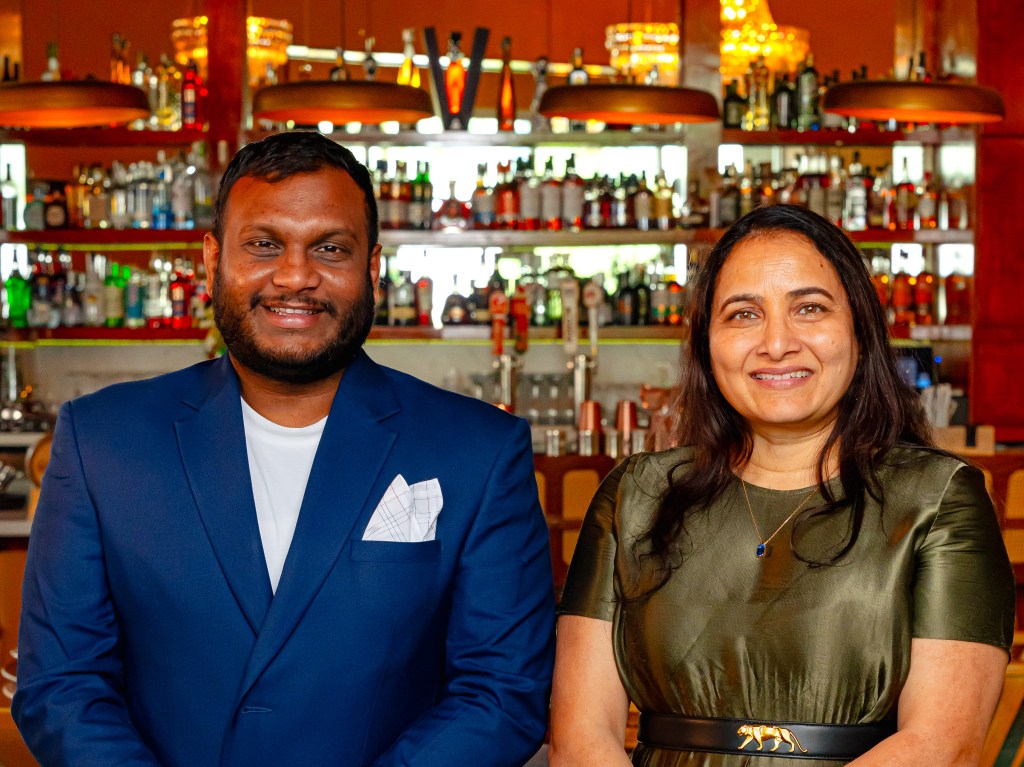
“There are people who want to have an experience; there are people who want to wear flip-flops and just grab something,” Reddy says. “Let’s fill the gaps. Let’s see what the community needs.”
Jason Luna for Phoenix New Times
What’s next?
When looking around the Valley, Reddy, Rodrigues and Sibal are encouraged by what they see.
Indian restaurants are growing. People seeking a fine dining format have more options than ever before. And, diners can taste less common, historic and hyperregional dishes.
“Every new opening actually opens doors for the next,” Reddy says.
In less than five years, Reddy accomplished her initial goal to put Phoenix on the map for fine Indian fare. She could let off the gas and take a victory lap. Instead, she’s already thinking about where she can open a restaurant next.
Reddy, like the other Indian chefs and owners we spoke with, is betting diners are hungry for more of the fashionable, upscale Indian restaurants they’re creating.
“We need many Feringhees,” Reddy says, “many of these kinds of restaurants in the country.”