Provided by KJZZ

Audio By Carbonatix
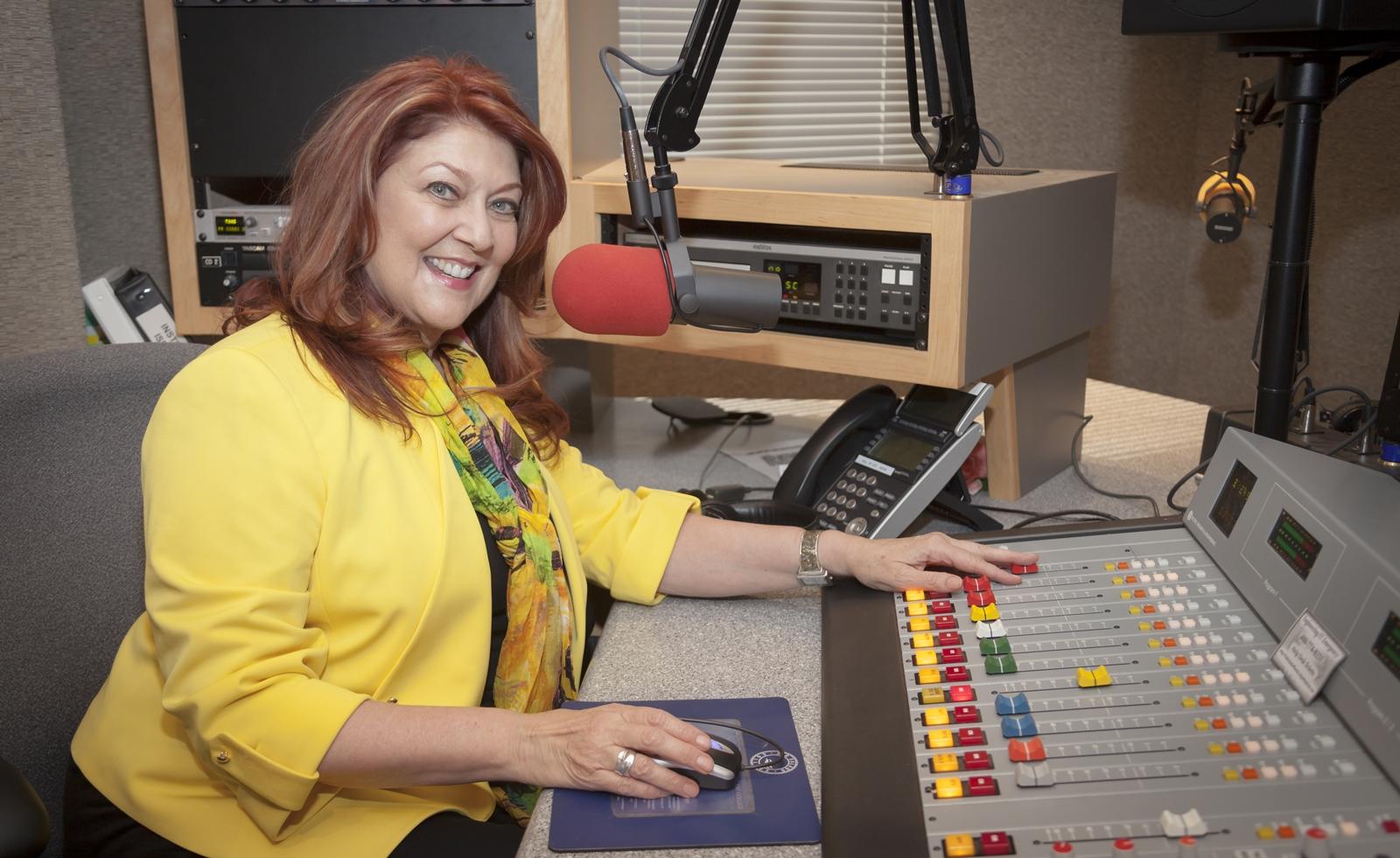
When Blaise Lantana left KJZZ earlier this month, Phoenix radio lost one of its longest-tenured and most recognizable voices.
The local singer-songwriter and on-air talent retired on July 6 after spending 32 years as music director and host of “Classic Jazz with Blaise Lantana” at the Valley public radio station.
Lantana is a local radio institution. Since signing on with KJZZ in 1994, she spent decades introducing generations of Valley listeners to classic and contemporary jazz artists while sharing her knowledge and enthusiasm for the genre.
Lantana says spreading the joy of jazz is one of the things she’ll miss most about the gig.
“That’s the hardest part because I loved doing that,” Lantana says. “I loved saying, ‘Here’s this new artist’ or ‘Here’s a band that’s coming to town.’”
Over three decades at KJZZ, Lantana became Phoenix’s cool jazz aunt. Every night after the station wrapped up its NPR programming on weekday nights, she’d play artists like Carmen McRae, Chick Corea and Sonny Rollins, introducing each with facts and insights about their music.
Lantana says that listeners have told her over the years how she’s served as their gateway to jazz music.
“That was the greatest part of the job, hearing people tell me that they discovered the music and they discovered an artist and they discovered a different style,” Lantana says.
The art of programming jazz
Behind the microphone, though, Lantana’s work involved more than just spinning up songs. As KJZZ’s music director, she sifted through a constant stream of new releases, balancing familiar favorites with new material. It was a daily exercise in curation, one that she says has become more challenging as technology made music more accessible than ever.
“I’m programming all the music,” Lantana says. “I’m making sure that there’s enough new and interesting music as well as familiar and comfortable jazz. Mixing that in a way that makes it enjoyable to hear. That’s really the challenge of the job.”
Helping Valley jazz fans discover artists became one of the perks of her job. Whether emceeing concerts around the Valley or conversing with listeners at festivals, Lantana says she’s been continually reminded that her nightly show served as many people’s gateway into jazz.
Her goal wasn’t to overwhelm newcomers with the genre’s most adventurous corners. Instead, she wanted listeners to feel welcome.
“I want you to discover John Coltrane in a more accessible way,” she says. “Then you can expand what you learn about that music.”
Lantana also showcased Arizona musicians whenever possible. If she had room in the playlist for an unfamiliar artist, she’d often choose someone listeners could catch live around metro Phoenix.
“If I’m going to play somebody who’s not touring or not going to be here, I’m going to pick a local artist,” she says. “I’m going to pick somebody from ASU or Mesa Community College who’s making a recording. That’s exciting because you might get to go hear them play at some local pub.”
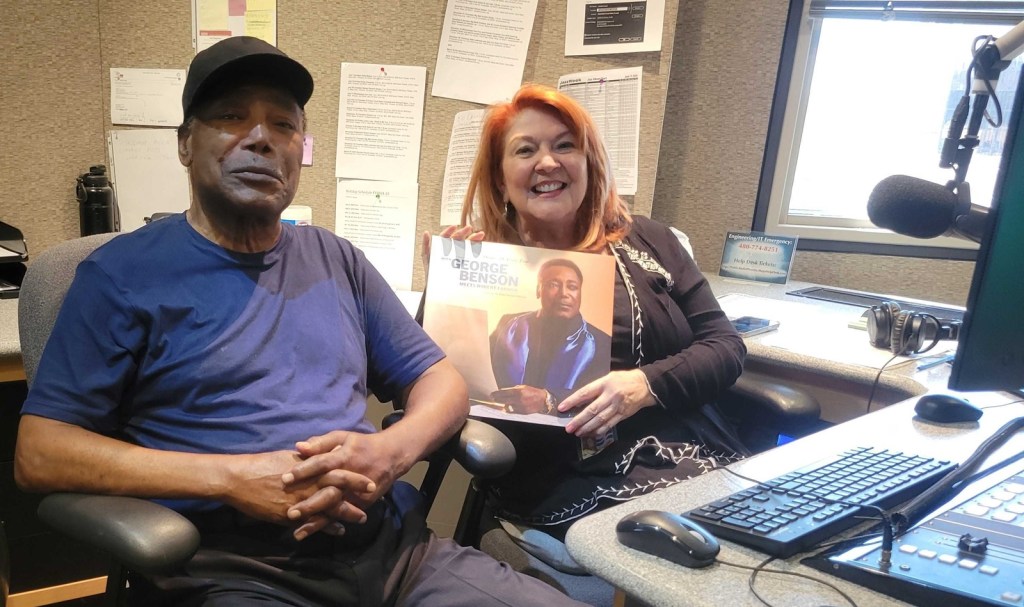
Bob Corritore, another KJZZ veteran who has hosted “Those Lowdown Blues” since the early 1980s, says Lantana has long been a fixture in both the station and Phoenix’s jazz community.
“Blaise means a lot to the people here in Phoenix because she’s been the purveyor of jazz on the radio for so many years,” Corritore says. “She’s been out there in the community making it happen.”
The Nash
Watching Phoenix’s jazz scene grow
When Lantana signed on with KJZZ in 1994, Phoenix’s jazz landscape was a very different place than it is these days.
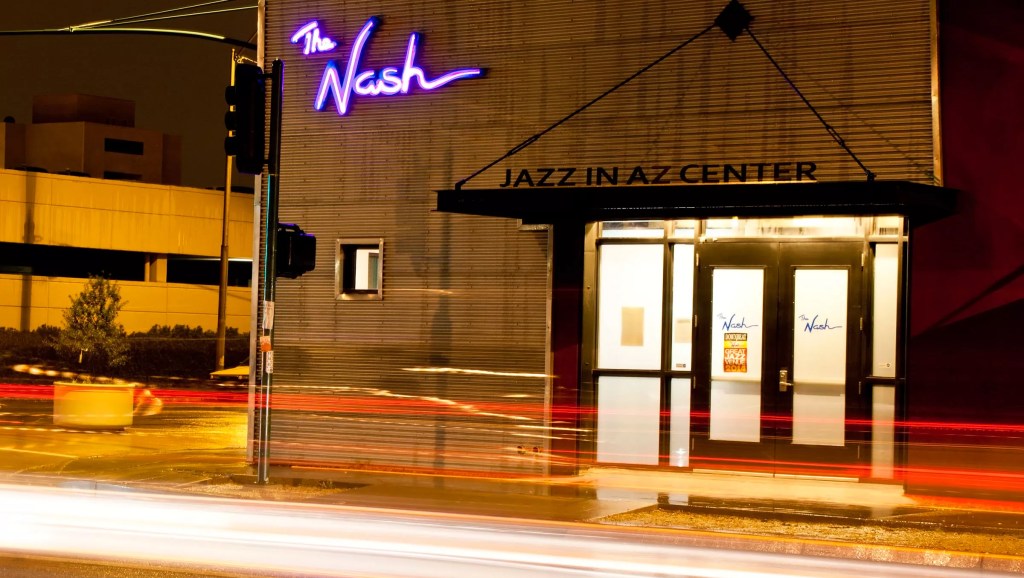
Current hotspots like The Nash and the Musical Instrument Museum were more than a decade from being built. Jazz gigs popped up at local clubs or occasionally at performing arts centers, but the Valley lacked the sort of dedicated spaces and educational programs that populate the scene today.
Over the next three decades, she watched that community develop.
“Now we have The Nash,” Lantana says. “ASU has really expanded their jazz program and Mesa Community College, Scottsdale Community College, they’re really doing a lot in jazz.”
As the local scene evolved, so did KJZZ. In 2024, the station moved its jazz programming to KJZZ 2, an HD Radio channel that broadcasts jazz around the clock while the punlic radio station’s primary frequency went to an all-talk format.
Lantana admits she initially resisted the change but ultimately embraced the opportunity to help build a full-time jazz station.
“I always wanted to have a 24-hour jazz station,” she says. “Now you can listen to jazz all day, all the time.”
The transition also resulted in an unexpected quirk.
“People thought I died,” she says with a laugh. “They’d ask, ‘Where’d you go? What happened?’ I’d say, ‘I’m still there. I’m just on HD radio now.'”
Provided by KJZZ
A lifelong love of music
Radio wasn’t in Lantana’s original plans. A lifelong musician and singer-songwriter, she spent years performing before the Texas oil economy dried up in the late 1980s and wiped out many of the gigs that supported working musicians.
She began working at public radio station KEDT in Corpus Christi in 1988, learning nearly every format the station offered, including jazz, blues, classical and NPR-oriented programming.
Lantana came to Phoenix in 1994 to hosts classical music on KBAQ. Within a year, she shifted to KJZZ as the station transitioned to jazz, eventually becoming music director while continuing to host her namesake show.
The job required more than talking between songs.
Before automation and digital playlists became the norm, Lantana spent countless evenings in the studio, programming music, announcing artists and broadcasting live.
“I was there in that chair every single night,” she says. “All night.”
Life after retirement
Lantana says she decided to retire from KJZZ after realizing she no longer had the energy the job demanded.
“I don’t think I have the energy and drive anymore than I once had,” she says. “Somebody coming in will be better at that.”
She hopes her successor continues to support local musicians and introduce listeners to new artists while building on the foundation of KJZZ 2’s 24-hour jazz format.
As for her own future, Lantana isn’t ready to step away from music.
She plans to spend the coming months traveling, visiting friends around the country and returning to Phoenix before winter. After that, she hopes to devote more time to songwriting and performing, pursuits that took a back seat during decades of nightly broadcasts.
“I’m a writer. I’m a poet,” she says. “I hope to get back to playing more, singing more, writing more.”