
Eric Torres

Audio By Carbonatix
In Arizona, 2025 may be remembered as the year of two momentous deaths in particular.
March brought the death at 77 of Raúl Grijalva, the longtime Tucson congressman and progressive stalwart. And in September, an assassin’s bullet cut down 31-year-old conservative firebrand Charlie Kirk, who’d built a Phoenix-based political influence machine with national reach.
But Grijalva and Kirk were far from the only notable Arizonans who died last year. The Valley lost beloved restaurateurs, impactful music figures and longtime staples of the local arts scene. It bid farewell to familiar TV news faces and a Pulitzer-winning cartoonist. It’s also the year that the state began executing prisoners again, putting two convicted murderers to death.
Here, in chronological order of their passing, are some of the most notable figures who died in 2025.
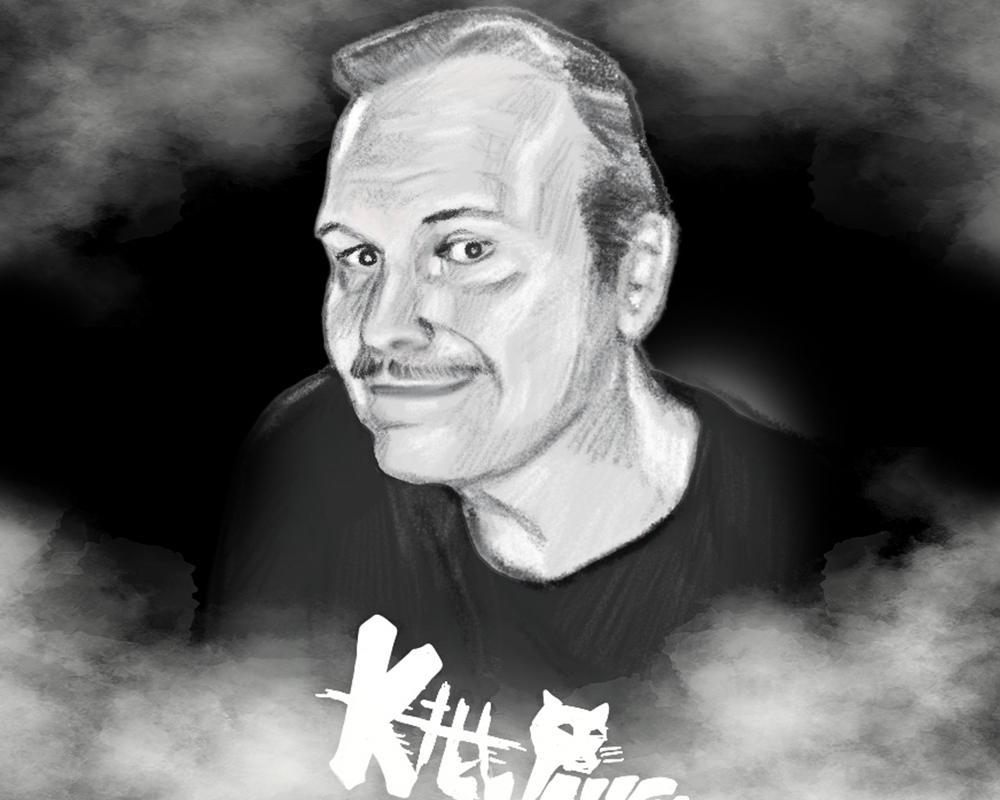
Illustration by David Morgan
Robert X. Planet
Jan. 5
Any history of Phoenix’s rich ‘80s punk music scene isn’t complete without discussing Robert X. Planet and his band Killer Pussy, which played a kitschy mix of new wave and punk that was funny, bawdy and unique.
The band’s singer, Lucy LaMode, told Phoenix New Times the two were “joined at the hip” since they met in the late ‘70s. The Killer Pussy song “Teenage Enema Nurses in Bondage” has become a classic track beyond Arizona’s borders.
Planet was also known for his humorous and irreverent takes on culture throughout the ‘80s and ‘90s. He let his giant creative flag fly with robot creations, fashion designs and building sets for plays. More recently, he and Roxanne DeWinter graced the seminal downtown arts space The Alwun House with staged readings of Edgar Allen Poe’s works each Halloween.
Planet died in his sleep in January. He was 74. – Amy Young
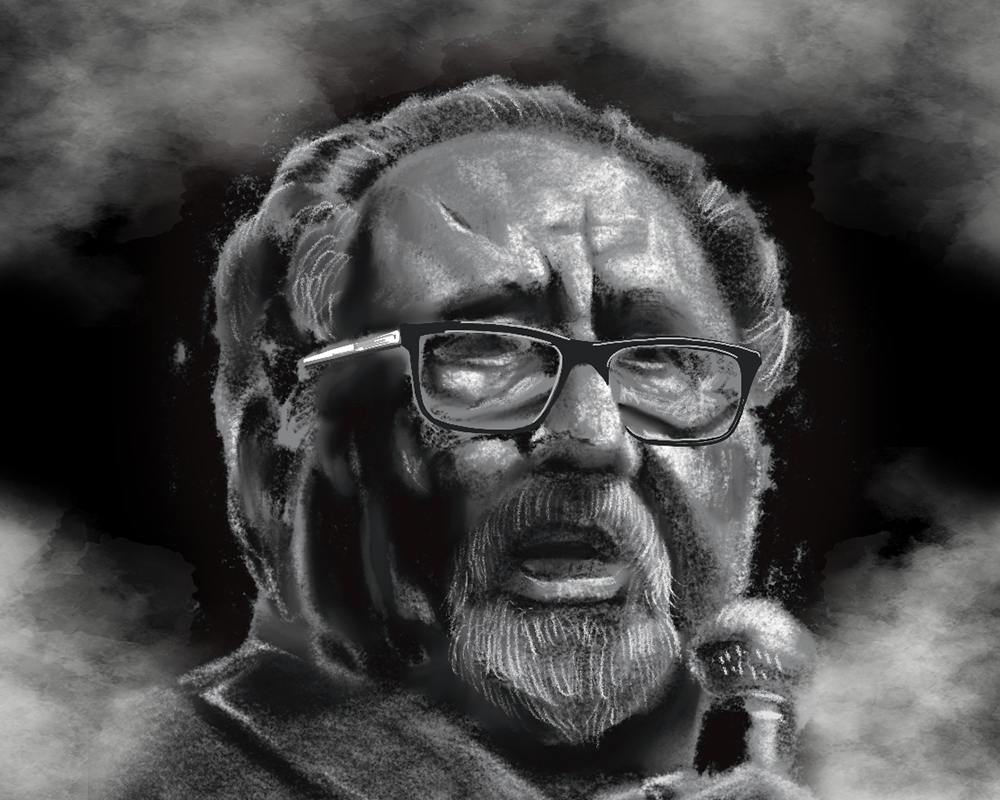
Illustration by David Morgan
Raúl Grijalva
March 13
Perhaps the most legendary progressive Democrat in Arizona’s recent political memory, Grijalva was born 30 miles south of Tucson in 1948, the son of a Mexican guest worker in the country under the Bracero Program. After decades of holding local political office, Grijalva was elected to Congress in 2002, occupying the seat until his death from lung cancer in March.
A champion of Latino and Chicano culture — as well as American multiculturalism — Grijalva was known throughout his political career as a staunch advocate for bilingual education, tribal sovereignty and environmental justice. His interest in and knowledge of conservation earned him a 10-year role as the top Democrat on the House Natural Resources Committee.
Grijalva’s personable approach made him widely liked on both sides of the aisle, even if his stances were largely left-of-center. “Arizona lost a friend today,” GOP Rep. Andy Biggs wrote after Grijalva’s death, calling him “a dedicated public servant who served his constituents well.” Democratic Sen. Ruben Gallego said Grijalva “spent his life as a voice for equality.”
Grijalva was an activist before he was a politician, coming up with the Chicano nationalist Raza Unida Party. He lost his first local election in 1972 but came back two years later with a more polished style to win a seat on the governing board of the Tucson Unified School District. He also sat on the Pima County Board of Supervisors from 1989 until his 2002 congressional run.
It’s the same body that his daughter, Adelita Grijalva, served on before winning a special election to fill her father’s seat this summer. She won the seat at 54 years old, the same age her father was when he was first elected to Congress. – TJ L’Heureux
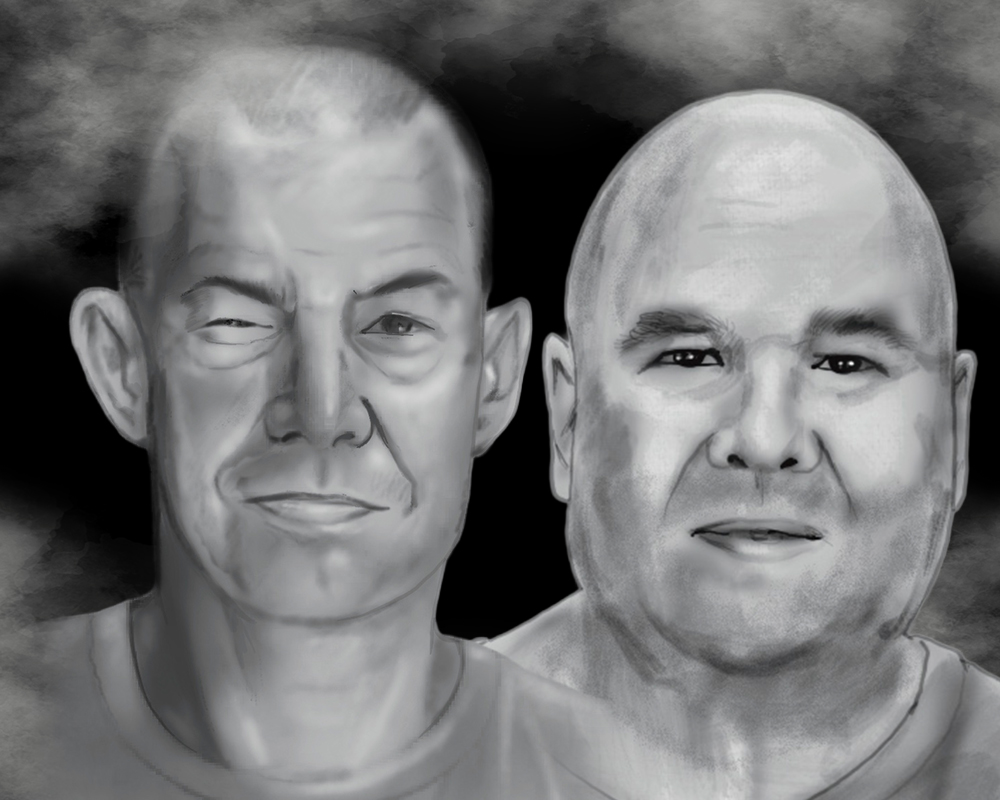
Illustration by David Morgan
Aaron Gunches and Richard Djerf
March 19 and Oct. 19
In 2025, Arizona fired up the engine on an execution machine that, after a series of botched killings, had lain dormant for two years. Gunches and Djerf were the first two prisoners fed into its maw.
Aaron Gunches was the first to be executed, dying by lethal injection in March. In 2002, Gunches murdered Ted Price, the ex-husband of Gunches’ then-girlfriend. Gunches shot Price three times in the chest and once in the back of the head in the Arizona desert before dumping his body. He was sentenced to death in 2008 and then again in 2013 after the Arizona Supreme Court found an error in his first death penalty trial. Gunches defended himself in those proceedings and did not fight his own execution.
Seven months after Gunches’ death, the state killed Djerf. In 1993, a 23-year-old Djerf sadistically murdered the entire family of his coworker, Albert Luna Jr. Djerf held the family hostage in their west Phoenix home before killing them all, including Luna’s five-year-old brother and 18-year-old sister, the latter of whom Djerf also raped. He then doused the home in gasoline and drove off in Luna’s mother’s car.
Gunches spent 17 years on death row, while Djerf awaited execution for 30. Despite controversy over Arizona’s execution methods, both men’s lethal injection deaths appeared to go smoothly, according to media witnesses. Neither offered any final words before the state executioners inserted IVs into their arms and pumped the deadly pentobarbital into their veins.
Gunches was 53, and Djerf was 55. – Morgan Fischer
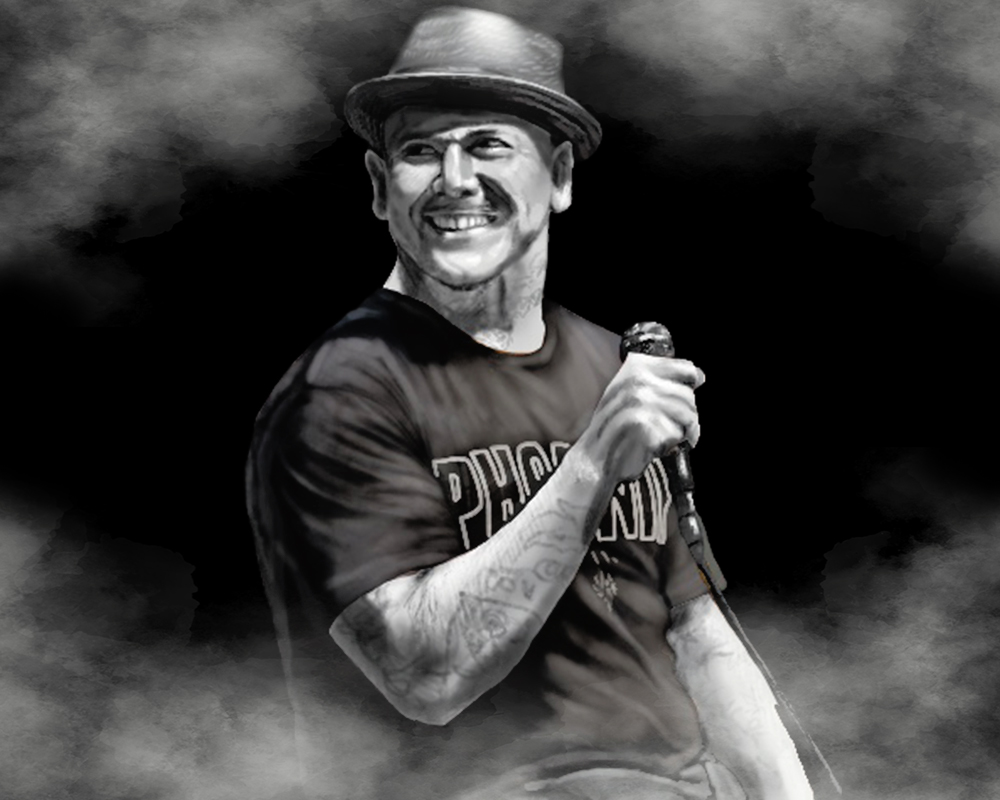
Illustration by David Morgan
Angel Diaz
April 30
Angel Diaz made Phoenix more colorful. The tattoo artist and muralist’s bold work, often inspired by Mexican culture and the Sonoran Desert, graces many a client and wall around the Valley.
His other gifts to the city were intangible — the support he gave to other artists and the love he had for his community — but their impact was on display 10 days after his death at 45, when friends, family and fans filled a Phoenix art space to celebrate his life and raise money for his family.
A GoFundMe page encapsulated Diaz’s legacy. “Angel Diaz was more than an artist,” it reads. “He was a storyteller, a mentor and a visionary. His murals brightened city walls, his tattoos carried deep meaning for those who wore them and his crafts were treasures to everyone who held them. Though he may be gone, his art lives on.”
Sadly, not all of his work remains. His “Super Barrio Bros.” Nintendo-themed mural, on the building on the corner of Van Buren and 16th streets, was painted over in August when a car dealership bought the building. Its loss is even more deeply felt with the loss of its creator. – Jennifer Goldberg

Illustration by David Morgan
Indu the Elephant and Fernando the Sloth
May 8 and Nov. 4
In the bleakest days of the pandemic, when we all searched for something, anything to lighten the collective mood, the Phoenix Zoo put Fernando, its Linnaeus’s two-toed sloth, on Cameo, the website that offers personalized videos from celebrities big and small (and non-human). While a cheery zookeeper read a message off-screen, Fernando would gaze placidly at the camera or perhaps munch on a leaf.
Fernando was diagnosed with heart problems in 2024, and in November, after experiencing difficulty breathing, he died at a veterinary hospital at 9 years old. He wasn’t the only great loss at the zoo this year.
In May, Indu, an Asian elephant who had lived at the zoo since 1998, was humanely euthanized at the age of 59. She had been receiving care for chronic osteoarthritis and age-related illnesses.
Heather Wright, elephant collection manager, said in a statement that Indu “has made and continues to leave an indelible impression on all who have the privilege to care for her and the guests who have had the joy of seeing her.” – Jennifer Goldberg
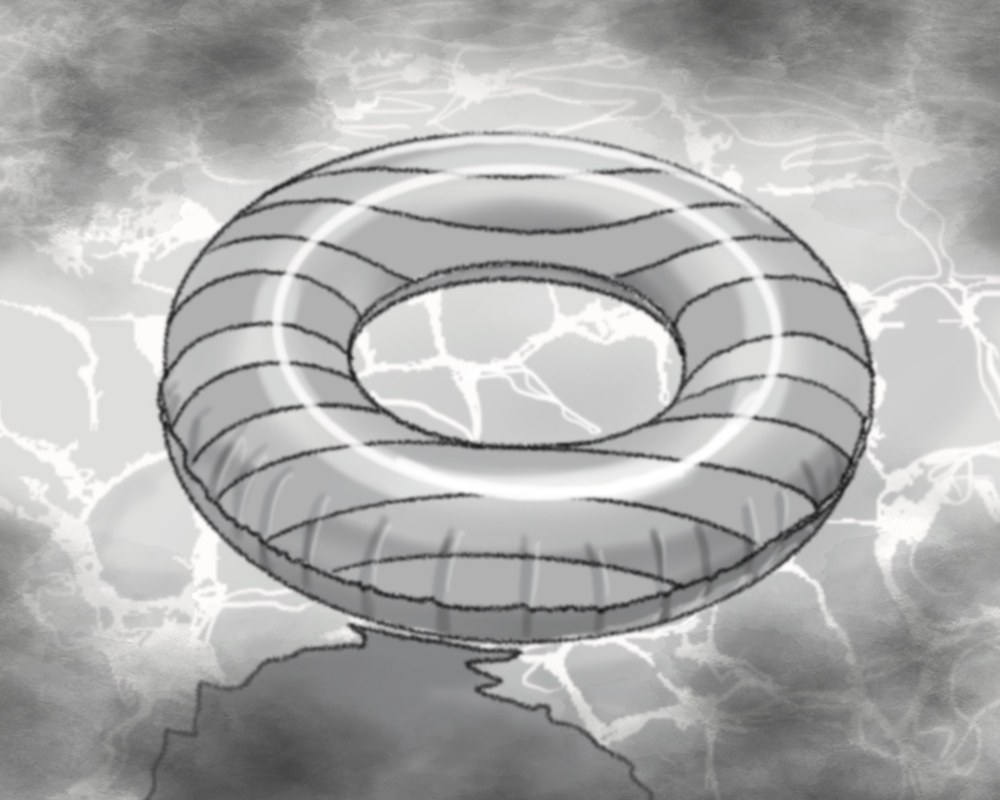
Illustration by David Morgan
Trigg Kiser
May 18
It’s an odd thing to “know” a child through social media. Trigg Kiser — the son of Chandler content creator Emilie and her husband, Brady — grew up on Instagram and TikTok. Emilie Kiser’s millions of followers saw Trigg’s birth announcement, his first Christmas, his breakfasts and the news that he was going to be a big brother.
And so his death in May brought international attention to a problem Phoenix just can’t seem to shake: the dangers of swimming pools. The 3-year-old boy with the sandy blond hair and big smile fell into an unfenced pool in his backyard the day after Mother’s Day. He passed away six days later at the hospital. After an understandably long break from social media, his mother posted: “The light and spirit he brought into this world was bright, pure, joyful and undeniable. We miss him every second of every day.”
His tragic death set off a storm of news coverage. Chandler police investigated, ultimately recommending a felony charge against the boy’s father, who the police report says was watching a basketball game while he lost track of Trigg in the backyard. Maricopa County Attorney Rachel Mitchell declined to prosecute, citing no reasonable likelihood of conviction.
Though Trigg’s death sparked headlines across the world, he is just one of the children who drowned in a Phoenix pool this year. May the tragedy of his loss remind us of the dangers of swimming pools, and that young lives are precious, fragile and worth protecting. – Jennifer Goldberg

Illustration by David Morgan
Adam Ramey
May 19
Ramey was the founding member and vocalist of Dropout Kings, a rap metal band he started in Phoenix after his prior band, The Bad Chapter, broke up. Within a couple of years of forming in 2016, The Dropout Kings gained an active fan base, signing with a record label and heading out on tour with bigger acts.
By 2021, the nu-metal band was on the Billboard charts and the band was headlining its own tour. Even as he made it big, Ramey was passionate about helping other artists. In 2020, he started PUSH Digital Marketing to help bands grow and get exposure.
Ramey died by suicide in May at 31. On the day his death was announced, his sister-in-law created a GoFundMe page and shared that his death came “after a long and painful battle with addiction.” The Dropout Kings paid tribute to their late member in a record released this year, “Yokai,” and with a live-streamed Adam Ramey Memorial Concert to celebrate his life.
His legacy also lives on through his wife, Jamie, and son, Jude. – Amy Young
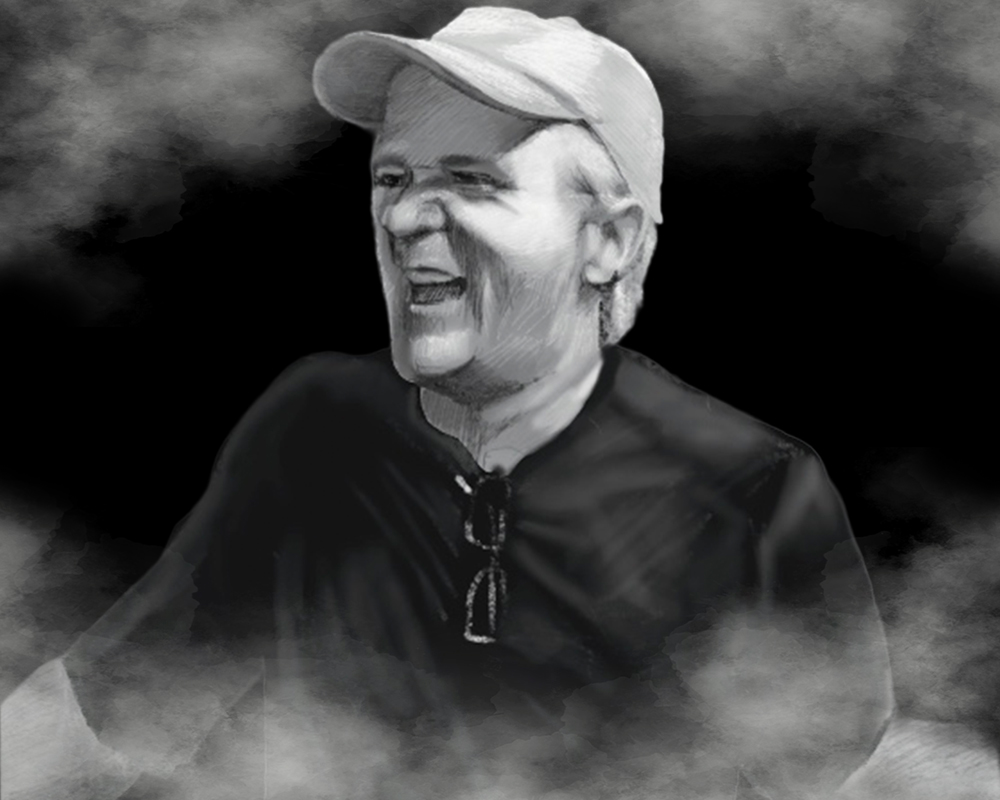
Illustration by David Morgan
Dennis Gilman
June 8
At a memorial gathering for Gilman, one speaker compared his tireless efforts to document the nativist ugliness that swept Arizona in the 2010s to the actions of the San Patricio Battalion. The ballalion was made up of U.S. Army deserters who fought for Mexico during the Mexican-American War (and were punished with execution after Mexico lost). Gilman would have loved the comparison.
An accomplished musician and an alarm technician by trade, Gilman poured his time, money and considerable talent into documenting racism and injustice on his YouTube page, HumanLeague002. He filmed Maricopa County Sheriff Joe Arpaio’s anti-immigration raids, dogged the heels of bigoted politicians such as Arizona Senate President Russell Pearce and made a record of members of the anti-immigrant crowd at protests against Arizona’s immigration law, Senate Bill 1070.
Gilman, who died at 67 of natural causes, was unflinching and unafraid, driven by an inner morality that despised bullies and oppression. More than once, he was attacked by nativists and neo-Nazis, who could not stand the way they were portrayed in Gilman’s videos. But all Gilman did was hold up a mirror to them, allowing them to damn themselves with their ill words and deeds.
Gilman was a citizen journalist and not a professional one, but he could teach the latter a thing or two. A few years ago, he retired and bought a home in Miami, Arizona, devoting much of his time to music. With a new, more powerful nativism on the march, Gilman and his camera are much missed. Thankfully, as can be seen in videos of federal immigration cops on TikTok and X, others have taken up the fight. – Stephen Lemons
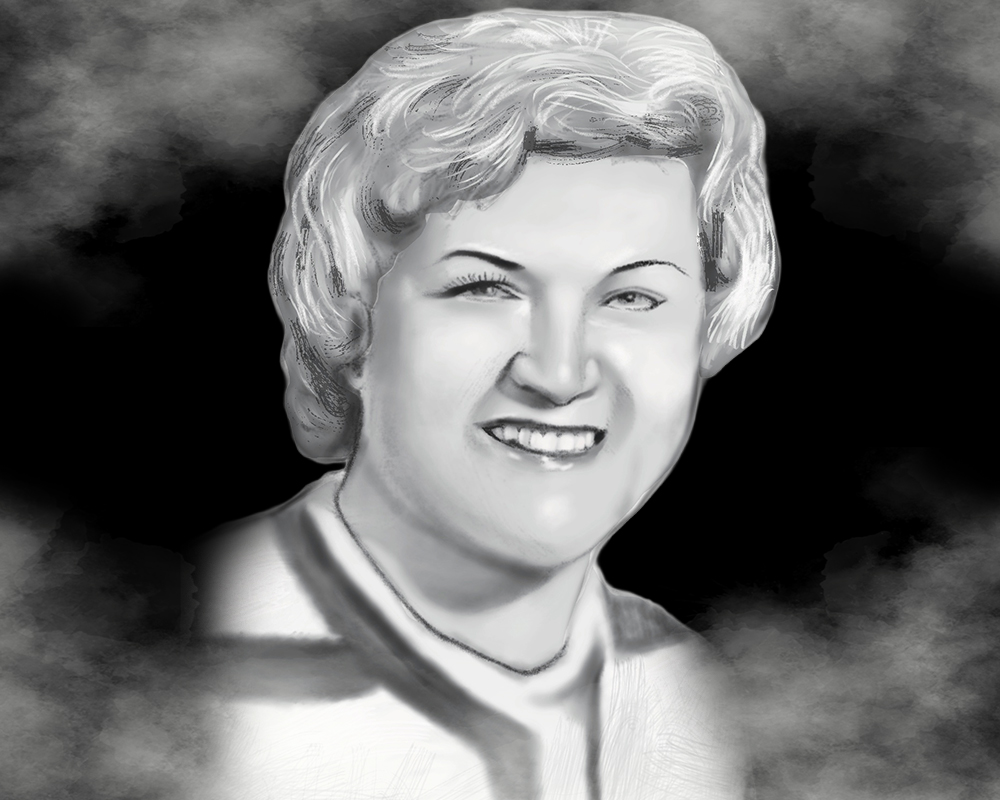
Illustration by David Morgan
Diana Kalas
June 24
Today, female TV newscasters are staples of television screens in Phoenix. But until 1970, there had been none in local TV news. That year, Diane Kalas became the first.
Born in 1932 in Kansas City, Kalas moved to Phoenix with her family in 1947 and graduated from Phoenix Union High School before attending Phoenix College. She didn’t study journalism but always knew she wanted to be a reporter.
Kalas was 38 when she started as the first woman in Channel 12’s newsroom, serving as a producer and co-anchor for the show “Today in Arizona.” She told 12News in 2024 that her male colleagues “treated me like their little sister” and were “helpful and welcoming.” With the station, she covered the 1972 Supreme Court decision in Roe v. Wade and interviewed Hollywood legends like Bob Hope, Sammy Davis Jr. and Phyllis Diller. She even did a story about a gorilla being transported to the Phoenix Zoo in Hugh Hefner’s plane.
Channel 12 let her go after seven years at the station. Kalas then jumped to radio at KTAR, going on to work at radio stations across the country, including in Pittsburgh, Boston and San Francisco. She finished her career in public relations for Shell Oil Company in California before retiring in 1994 and moving to Flagstaff.
Kalas suffered a broken hip in March, and suffered from health challenges as a result. She died in Peoria months later “peacefully, surrounded by love,” her family wrote in a Facebook post. She was 93. – Morgan Fischer
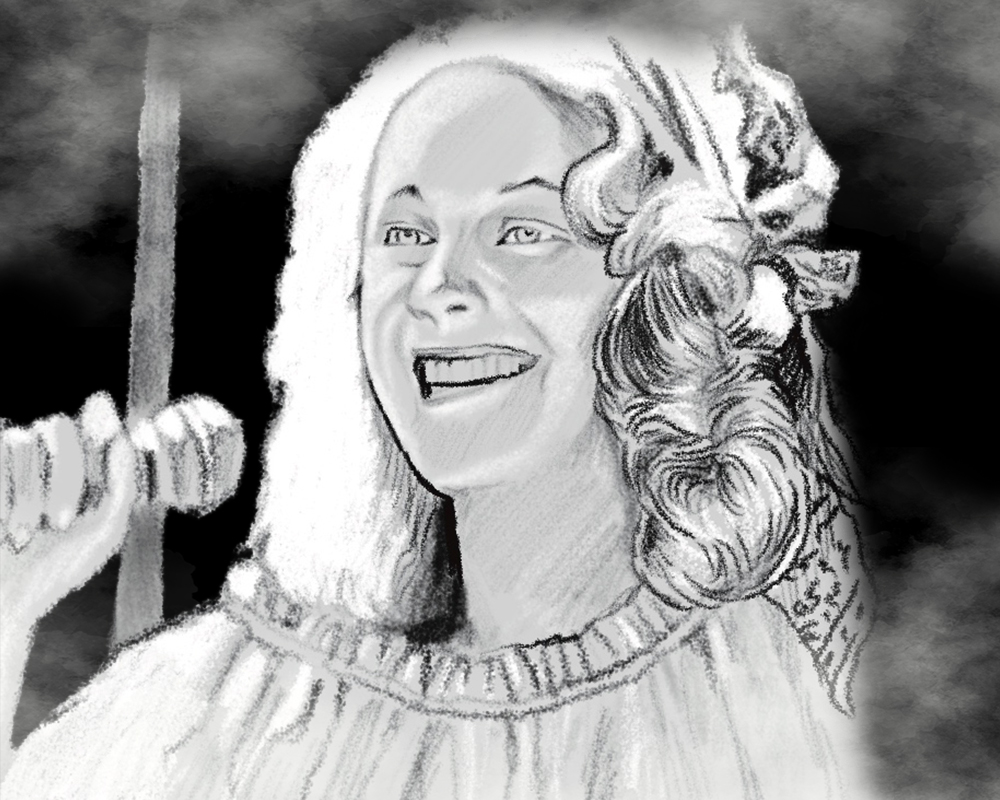
Illustration by David Morgan
Nancy Jackson
June 25
A vocalist, Jackson came to the Valley in the mid-1970s to study music. She immersed herself in the music community, performing with big band ensembles and area jazz musicians. Jackson was renowned for her vocal range and ability to transition seamlessly between diverse styles, including jazz and pop.
Often playing alongside Jackson was her husband, bassist Jim Simmons. The pair’s popularity took off during their 11-year stint as the co-owners of the iconic Tempe club Chuy’s. The place was a hopping hotspot for blues and jazz music, welcoming legendary touring artists to its stage. The likes of Charlie Musselwhite and Jaco Pastorius played there. Locals like Bob Corritore, who owns The Rhythm Room, and singer-songwriter Walt Richardson were also fixtures of the place.
At the time of her death at 69, Jackson had relocated to North Carolina. Her memory lives on through peers and friends like Corritore, who have cited her presence and venue for helping blues and jazz music continue to find audiences in the Valley. – Amy Young
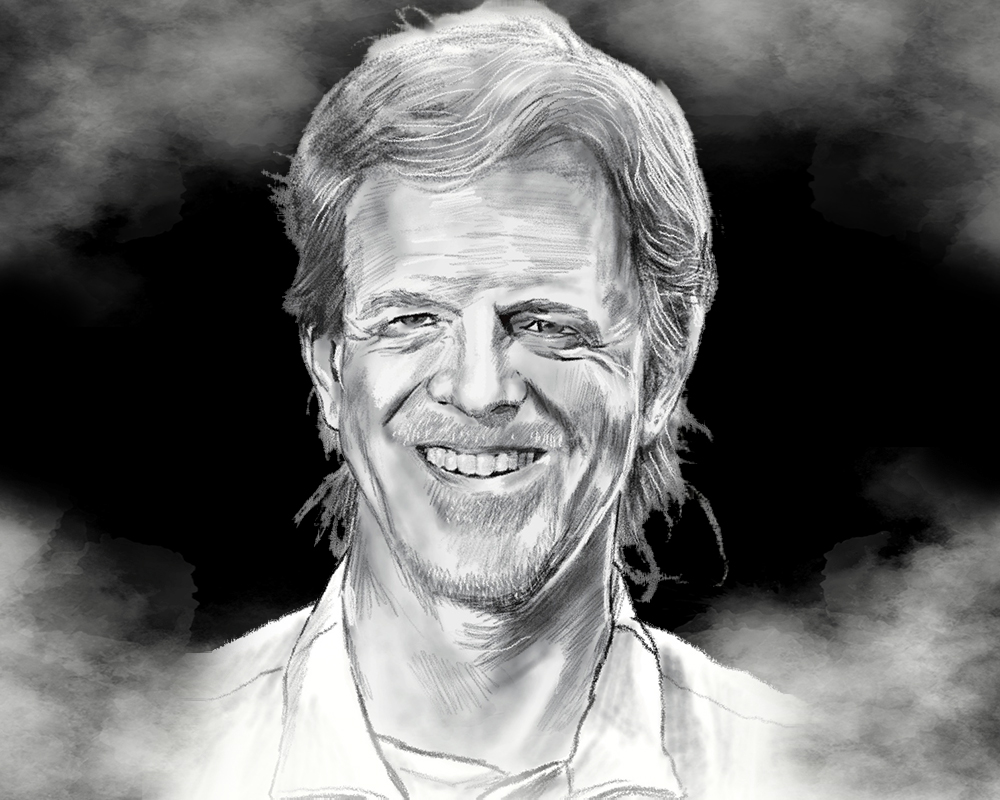
Illustration by David Morgan
Steve Benson
July 8
Like any good political cartoonist, Steve Benson knew how to ruffle feathers. And Benson, who died at 71 due to complications from a 2024 stroke, was a great political cartoonist.
Born in Sacramento and raised in a devoutly Mormon family (his grandfather was president of the Church of Jesus Christ of Latter-day Saints), Benson abandoned a possible career in the LDS church for a career skewering the powerful with pen and ink. Spending most of his cartooning life at the Arizona Republic — though, after he was let go by the Republic in 2019, his work also appeared in New Times and the Arizona Mirror — Benson won a Pulitzer Prize in 1993 and was a finalist on four other occasions.
He wasn’t afraid of going after the powerful. Barry Goldwater once famously took offense at a Benson cartoon. In the late 1980s, Benson hammered Arizona Gov. Evan Mecham, a fellow Mormon who lasted less than two years in office before he was impeached, even worse. Those cartoons widened a rift between Benson and the LDS church, which he eventually left. He spent the rest of his career as an avowed atheist and liberal.
Benson’s cartoons sometimes offended more than just career politicians and the LDS church. In particular, a 1997 anti-death penalty cartoon — which tweaked a famous image of a firefighter carrying the bloodied body of a child killed in the Oklahoma City bombing — angered firefighters and also the child’s mother. But Benson never backed down or apologized for it, saying his cartoons are meant to provoke.
“I don’t aim to please,” he liked to say. “I just aim.” – Zach Buchanan

Illustration by David Morgan
Lori Hassler
July 22
Lori Hassler left an outsized impact on the Valley through her food, friends and family. The Phoenix chef owned The Farish House, a charming French bistro located in a historic brick house downtown. There, she served carefully crafted dishes that were both elegant and comforting.
Hassler grew up in Tempe, graduated from Arizona State University and traveled throughout Europe, studying food and wine. She opened the Scottsdale restaurant Radda-Cafe Bar in 2003, later working as a wine representative and personal chef. She opened The Farish House in 2018.
In 2020, Hassler was diagnosed with ovarian cancer, which she fought for the next five years until her death at 54. Her friends remember the chef and mother as kind, strong and a “badass” leader. Hassler is survived by her husband of 25 years, their daughter and her beloved downtown Phoenix restaurant, which continues her legacy of warm hospitality and thoughtfully crafted food. – Tirion Boan
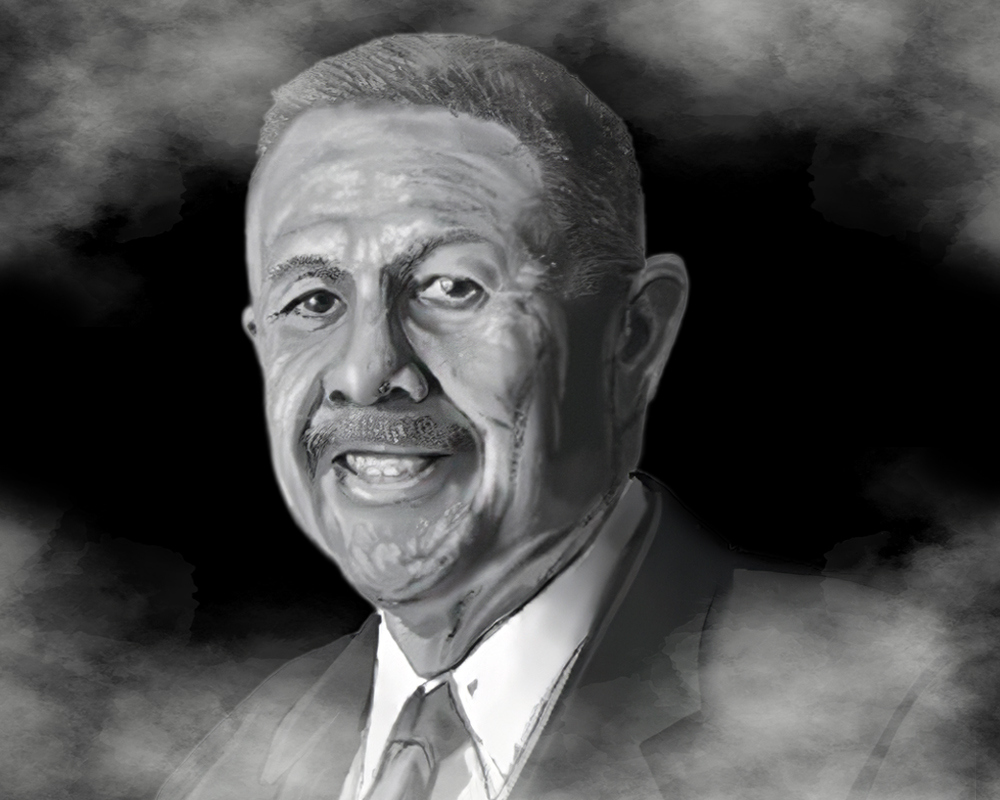
Illustration by David Morgan
Alfredo Gutierrez
July 28
Gutierrez was a Phoenix legend. He was a civil rights activist, co-founded a hugely influential nonprofit and rose to a position of leadership in the Democratic Party as a state legislator. He did all that before age 30 — though even in his later years, he was known as a vocal opponent of one of Arizona’s most infamous discrimination laws.
Growing up in Miami, Arizona, Gutierrez admitted to having a juvenile police record and was a “guest of county facilities on a number of occasions,” chalking it up to a lack of anything to do. “I was from a tough family; it was a tough place,” Gutierrez told New Times in 1991. “I survived. What else can I say?”
He served in the Vietnam War and later worked in the mines of his hometown, coming to Phoenix only when a mining strike stalled his work. He was eligible for the G.I. Bill, so he split and went to Arizona State University before being pushed out over his campus activism. He then helped Cesar Chavez organize farmworkers and worked on Robert F. Kennedy’s ill-fated 1968 presidential campaign.
In 1969, Gutierrez founded Chicanos Por La Causa, which remains one of the largest Latino-focused community development organizations in the country. Gutierrez then turned to politics, winning an Arizona Senate seat in 1972 as a Democrat; two years later, he was tabbed the Senate Majority Leader. He spent 14 years in the Arizona Legislature.
Decades after leaving the legislature, Gutierrez became a foremost activist against the controversial Senate Bill 1070, even getting arrested as a result. That activist streak never quite left him — just before his July death from esophageal cancer at 79, Gutierrez was spotted mixing it up with a counterprotester at an anti-Trump demonstration. – TJ L’Heureux
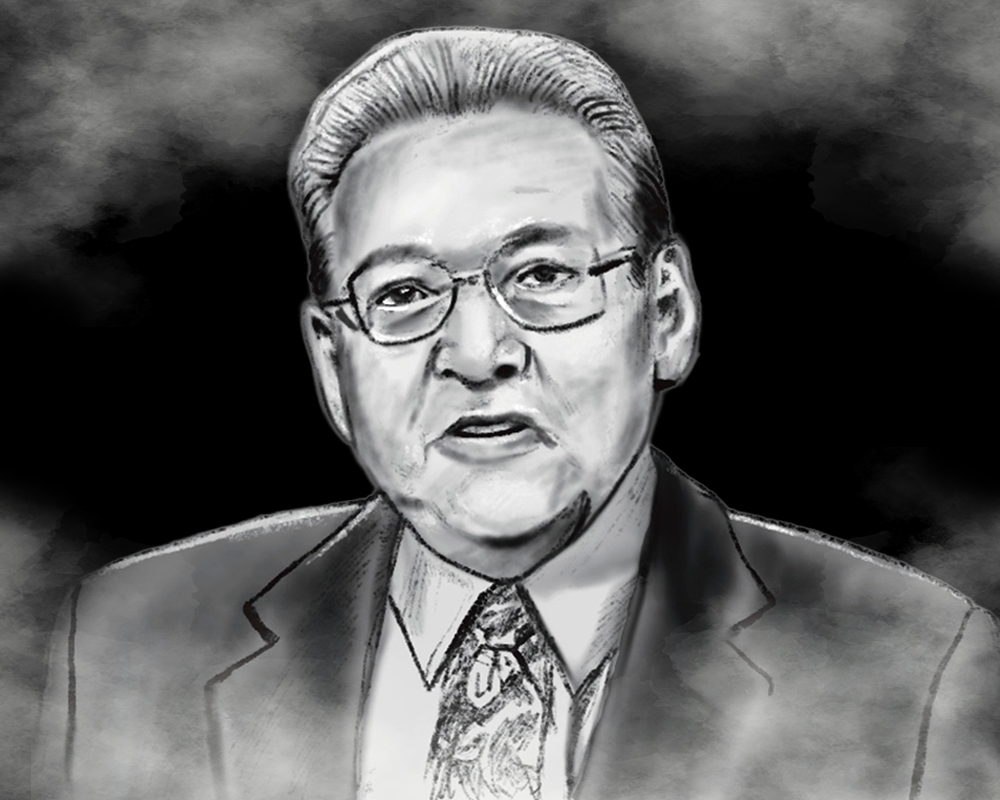
Illustration by David Morgan
Frank Camacho
Aug. 29
Born in Laveen, where his father worked as a cotton farmer, Frank Camacho grew to become a television pioneer and one of the most recognizable faces on local television. He died in August at 75.
After starting his career in radio — first at KRUX and then at KTAR — Camacho transitioned to television, spending three decades as a news anchor for Arizona’s Family. He was one of the first Mexican-American news anchors in Arizona.
For more than 30 years, Camacho was beamed into the homes of Valley residents. He interviewed every president from Gerald Ford to Barack Obama, and was on the air to announce the end of the 2004 Lewis Prison standoff, which was the longest in U.S. history. He retired in 2012, later serving as the communications director for the Arizona Democratic Party. But he was a newsman through and through.
“Once you’re in the news business, once you’re a journalist,” he told the Arizona Republic in 2019, “I guess you always are.” – Zach Buchanan
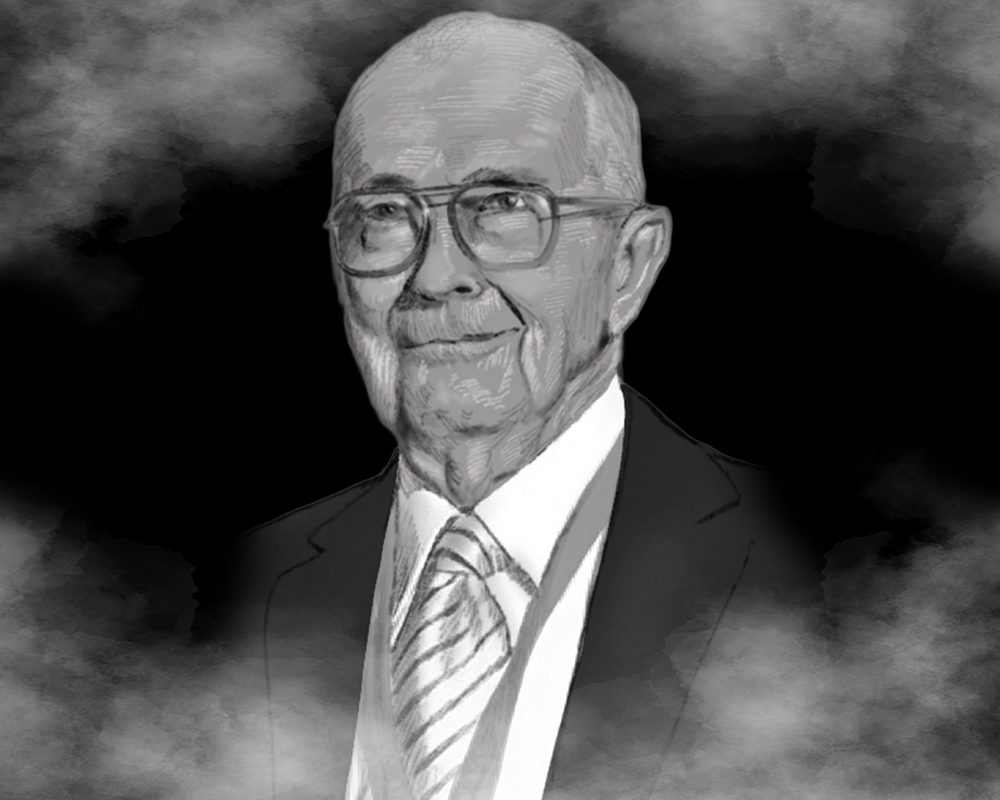
Illustration by David Morgan
Bob Corbin
Sept. 9
Bob Corbin’s demise at the age of 96 brought on a flood of panegyrics to rival Noah’s.
Corbin, who served three terms as Arizona Attorney General from 1979 to 1991, was hailed as an old-school Western icon. His hundreds of forays into the Superstition Mountains to hunt for the Lost Dutchman Mine were part of the Republican hard-liner’s throwback appeal.
Other indicators of alleged greatness pale upon examination.
Take Corbin’s prosecution of three men believed to have been involved in the 1976 assassination of Arizona Republic reporter Don Bolles. Corbin milked the case for attention, without going after Arizona rancher-racketeer Kemper Marley, the criminal kingpin believed to have set the car-bombing in motion.
Cobin earned praise for his 1988 indictment of Gov. Evan Mecham on violations of campaign finance laws, but Mecham beat the rap and had already been impeached, convicted and removed from office by the state legislature. When Mecham rescinded the establishment of Martin Luther King Jr. Day in Arizona, Corbin had paved the way by issuing an opinion that Mecham’s predecessor lacked the authority to establish the holiday.
Corbin also sleazily took $50,000 in campaign donations from notorious S&L swindler Charles Keating Jr. and his associates. After leaving office, Corbin served as president of the National Rifle Association, campaigning against the so-called Brady bill, which made a federal background check a requirement for gun purchasers.
Legendary? Don’t think so. – Stephen Lemons
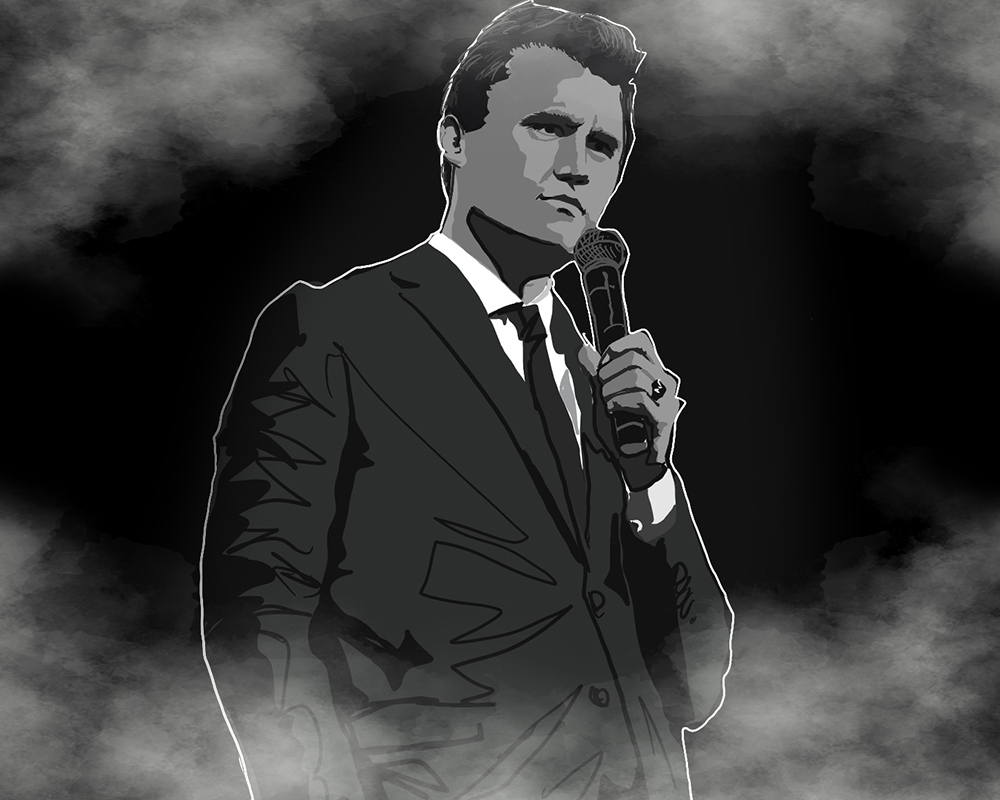
Illustration by David Morgan
Charlie Kirk
Sept. 10
Charlie Kirk was a 31-year-old Phoenix podcaster and YouTuber who rose to MAGA stardom by barking conservative talking points at undergrads. But most normies didn’t know his name before a sniper killed him as he spoke at a college campus in Utah.
Millions of people Googled Kirk — his Wikipedia page was the most-viewed English-language article on that site in 2025 — and did not like what they saw.
The saga of Kirk’s life includes starting the twin Phoenix-based organizations Turning Point USA and Turning Point Action, which have accumulated outsized influence in national Republican politics. That saga also includes creating a “watch list” of “woke” professors — two Turning Point members wound up attacking one such professor at Arizona State University — as well as Kirk belittling Black people’s intelligence and saying the Second Amendment is “worth” mass shootings.
As Kirk’s less savory opinions got new scrutiny, MAGA hounded people who dared to speak ill of a man who had made a career from talking his share of shit. The results were Orwellian: In November, Reuters counted at least 600 Americans who lost their jobs for disparaging Kirk. Many of their posts were in awful taste — “good riddance,” and the like — but others simply posted Kirk’s own words.
Such harsh consequences for quoting a supposed free-speech champion further illuminated the cynicism of Kirk’s whole bit. Far from elevating public discourse, his life’s work made the United States a crueler, more dangerous place. His barbaric killing only underscored that terrible fact. – Sam Eifling
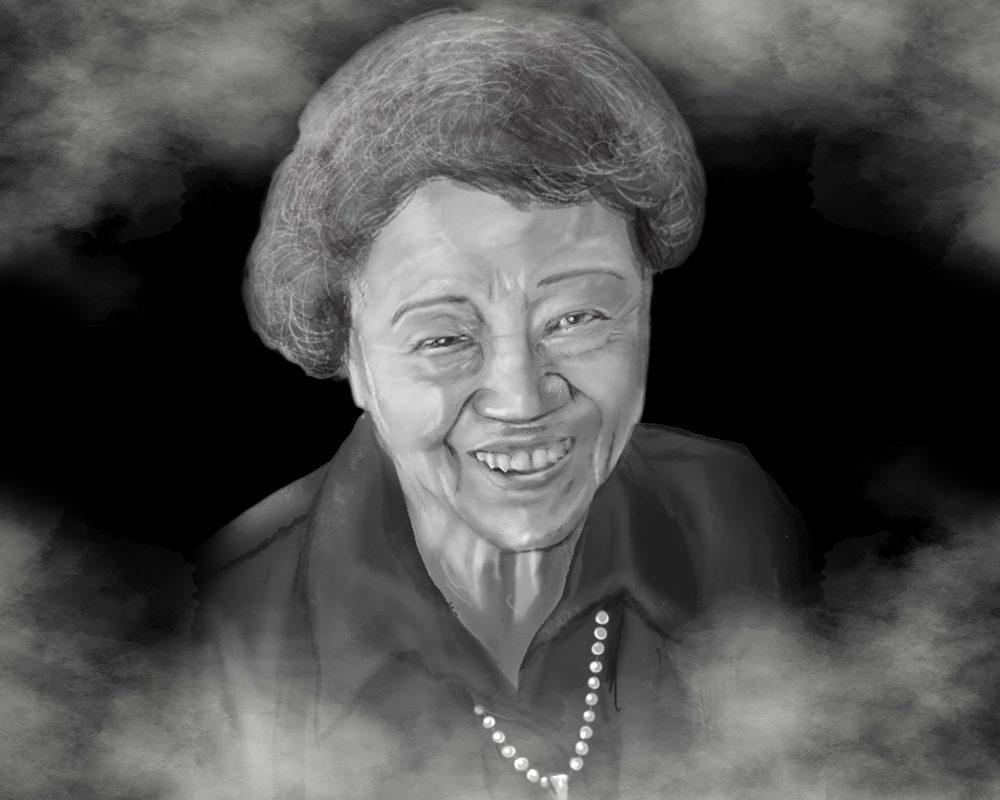
Illustration by David Morgan
Betsy Mae Quan Toy Yee
Oct. 18
Betsy Mae Quan Toy Yee served as the charismatic matriarch of the casual downtown Japanese restaurant Blue Fin for nearly 30 years. She was 91 years old.
The Phoenix native studied at Arizona State University and Columbia University, then worked in education as a high school counselor. She traveled the world. Yee and her husband, Howard, raised five children and opened Ye Olde Pharmacy and Ye Olde Trader. She also made savvy investments in real estate.
That included the building housing Blue Fin. When the Japanese restaurant’s owner had to move, Yee took over the eatery rather than find a new tenant. “She just had all this energy, and she needed to channel it somewhere,” her daughter, Lyn Yee, said.
Betsy Yee and her staff built a loyal following of lunchtime regulars that included politicos, journalists and educators working at downtown schools. Yee was known for stopping at tables to chat and top up drinks.
Blue Fin has remained a staple while downtown has changed, with high-rises shooting upward and a light rail line initially threatening the building. Notably, Yee successfully organized to save the restaurant from an eminent domain claim. Her willingness to push back, not roll over, was a critical lesson for her daughter.
In addition to her children and grandchildren, Yee is survived by Blue Fin, which Lyn runs with the same commitment to affordable food with a personal touch. – Sara Crocker
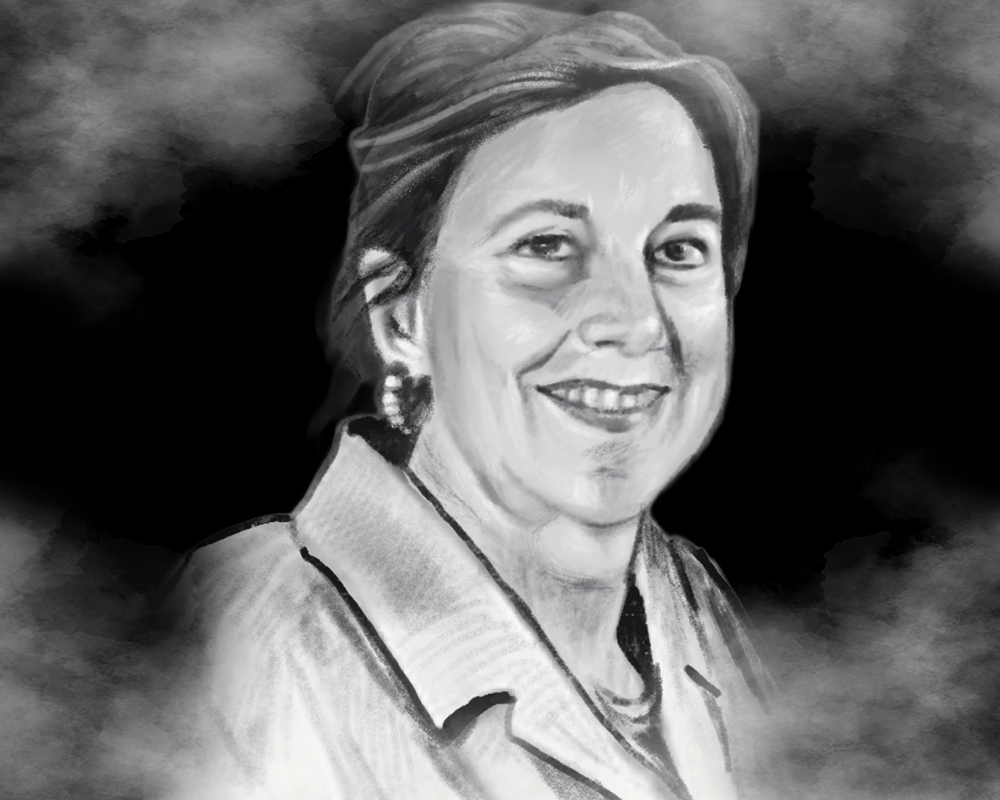
Illustration by David Morgan
Marilyn Zeitlin
Nov. 10
When Marilyn Zeitlin passed away in November at 84, the tributes about the longtime Phoenix arts community figure began to pour in.
From Arizona State University Art Museum, where she was director and chief curator for years: “During her 15-year tenure, she brought forward innovative exhibitions and opened doors for emerging artists at pivotal moments in their careers. Her commitment (to) artist-centered practice continues to resonate throughout the museum.”
In layman’s terms: Zeitlin traveled to El Salvador to meet with artists whose work depicted the country’s civil war and organized the first trip of U.S. university students to post-revolutionary Cuba; she was the U.S. commissioner for the 1995 Venice Biennale, an important international cultural exhibition; she mentored and encouraged artists and arts professionals; and she markedly raised the profile and reputation of the ASU Art Museum as a vital Southwest cultural institution.
Her legacy echoes through its halls. – Jennifer Goldberg

Illustration by David Morgan
Kevin Daly
Nov. 26
Kevin Daly was a pivotal figure in Phoenix’s music scene. Although he was originally from Virginia, he lived and played punk and rockabilly music in Arizona for more than four decades with bands such as Hellfire, Grave Danger and Kevin Daly Chicken & Waffles.
Daly had a passion for wheels and was as much a gearhead as he was a ridiculously good guitar player and engaging frontman. He rode Harleys, had vintage vehicles and belonged to the Midnighters car club, where his auto geekery was matched by that of its members, many of whom became dear friends.
He was known for his thoughtful nature and for treating everyone with respect, making people feel seen and heard. His sense of humor was legendary, along with the wicked grin that paralleled his witty quips. His legacy lives on in recordings and videos of his music and performances, along with the trove of photos and published memories loved ones have shared.
After battling brain cancer for the last couple of years, Daly died on Thanksgiving Eve at 69. His death inspired an outpouring of messages and memories on social media from people whose lives he touched, not just in the music arena, but from various walks of life. – Amy Young
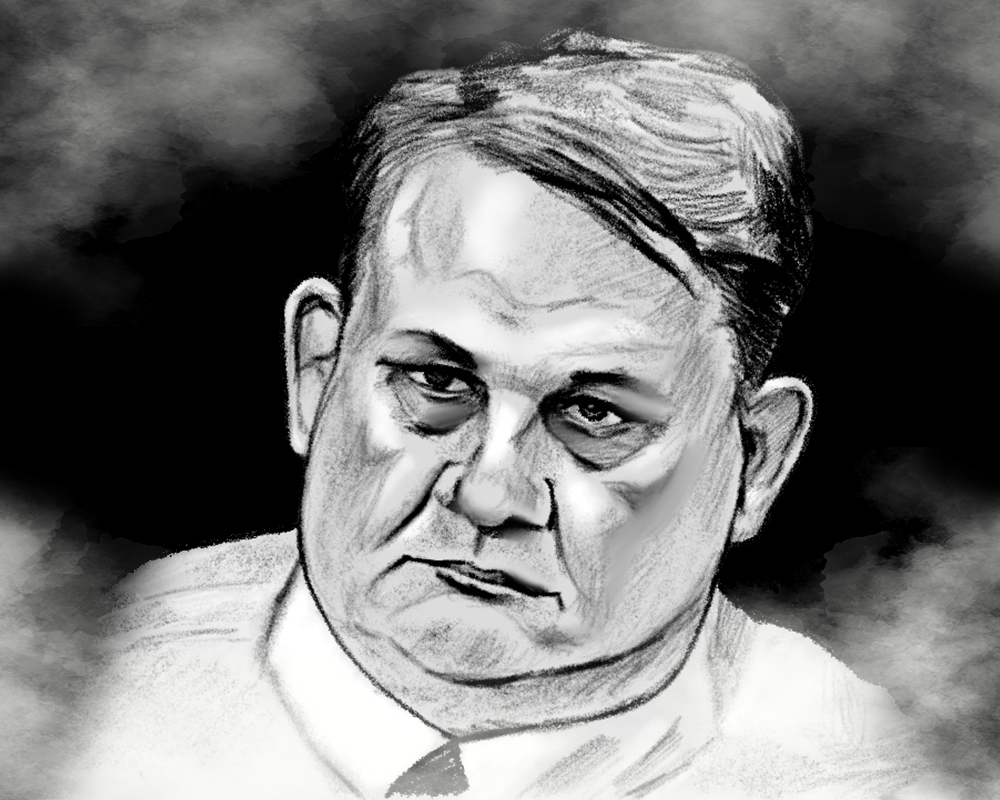
Illustration by David Morgan
David Hendershott
Dec. 14
Speak no ill of the dead, you say? In the case of David Hendershott, who died of cancer at 69, that is simply not possible. In the words of Shakespeare’s Richard III, Hendershott was quite willing to “prove a villain” in public life.
As the powerful chief deputy to Sheriff Joe Arpaio, Hendershott gleefully carried out Arpaio’s authoritarian agenda. He helped ruin the careers of sheriff’s office employees who spoke out against Arpaio or surreptitiously “dropped a dime” to the media. He also ordered the wrongful arrests of New Times’ owners, repeatedly threatened an Arizona Republic reporter with the arrest and the removal of her child, smeared Arpaio’s political opponents with false allegations and orchestrated fake assassination plots against Arpaio — which, in one case, railroaded an innocent man as the scapegoat.
Cataloguing each of his heinous acts as Arpaio’s top henchman would require its own wiki. Perhaps the most egregious involved Hendershott’s leadership of the Maricopa Anti-Corruption Effort, part of a sinister plot to force the county government into receivership. MACE targeted county supervisors, superior court judges and regular county employees with criminal investigation, indictment and sometimes arrest. The cases all collapsed and the targeted individuals sued, scoring over $44 million in settlements. In 2011, Hendershott resigned to avoid being fired.
Maybe Hendershott’s family loved him, but he’ll always be remembered as Arpaio’s top toady, his ogre, his slimy Jabba the Hutt. Good riddance. – Stephen Lemons