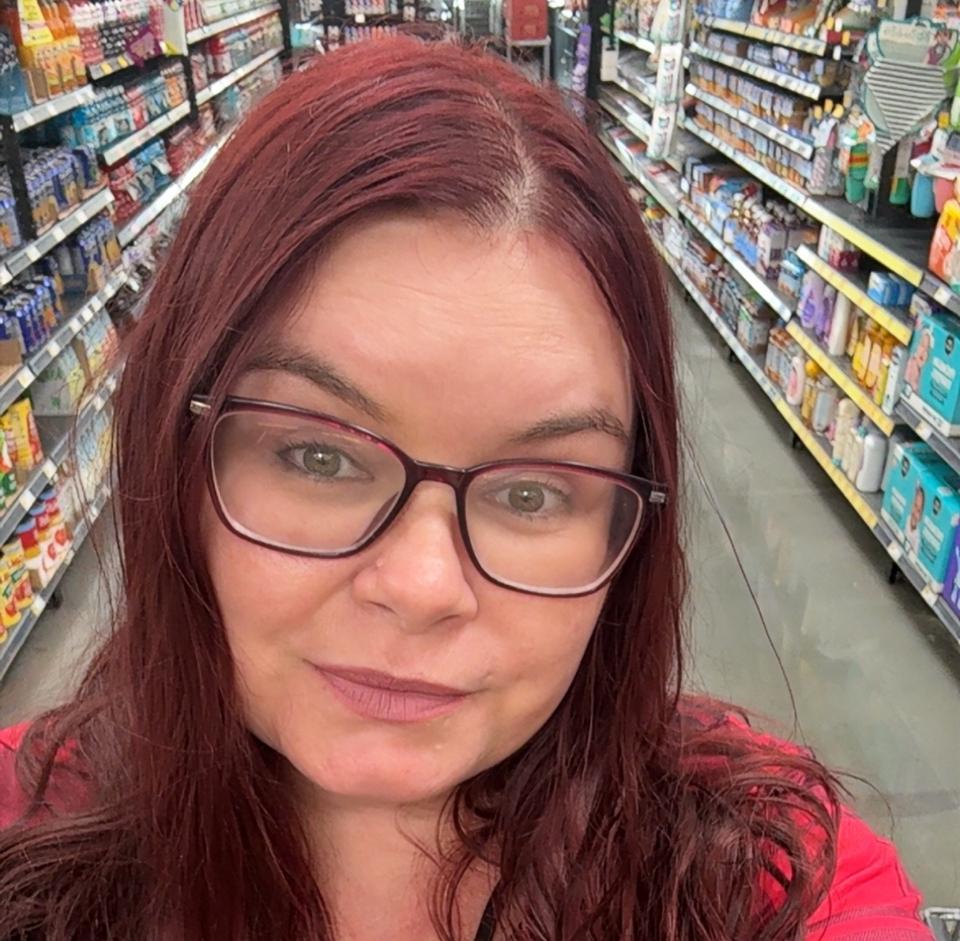
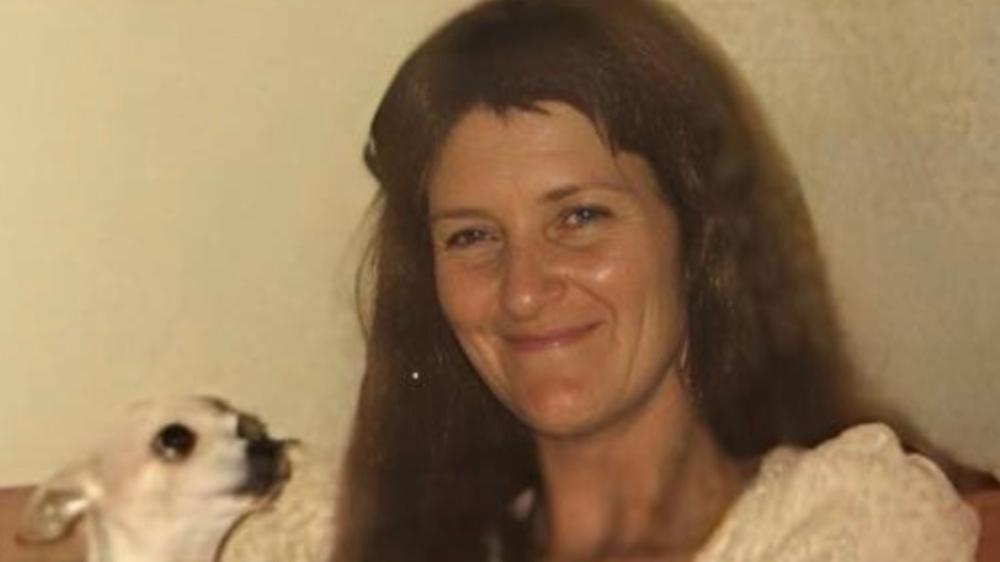
Provided by Jalonda Chesley

Audio By Carbonatix
As told to Clarissa Sosin.
I was eight years old when I last spoke to my mom.
It was Jan. 12, 1993, my mom’s 29th birthday. I lived with my grandma, and together we’d made her a quilt. We used pink and purple glitter pens and paint to decorate the blanket with unicorns and roses, two things my mom loved. She was going to come by so we could give it to her and celebrate. “I’ll be there in 15 minutes,” I remember she said over the phone. She wanted to know what we got her, but we refused to spoil it. She’d find out when she arrived.
But 15 minutes came and went. A couple of hours later, her boyfriend called, worried about her. We brushed off his concerns. My mom was always late, we knew. But this time, she never showed.
A month later, on Valentine’s Day, the police called my grandma’s house. They asked me what kind of jacket she’d usually wear. I described her vest, a purple denim jacket with its arms cut off, covered in Harley-Davidson and band buttons. My description matched. I wish it hadn’t.
My mom, Renata Bateman, had been found by horseback riders the day before, lying under a palo verde tree in a patch of desert next to North Pima Road in Scottsdale. She’d been beaten to death, according to the medical examiner’s report, her head caved in by “crushing blunt force traumatic injury.” She was fully dressed, but her pants were unzipped and her body was decomposing.
For a long time after she died, I worried that she was cold because she was lying outside, especially when it rained. She didn’t have her birthday blanket. “Mom is cold,” I’d say to my grandma. “We need to get her her blanket.”
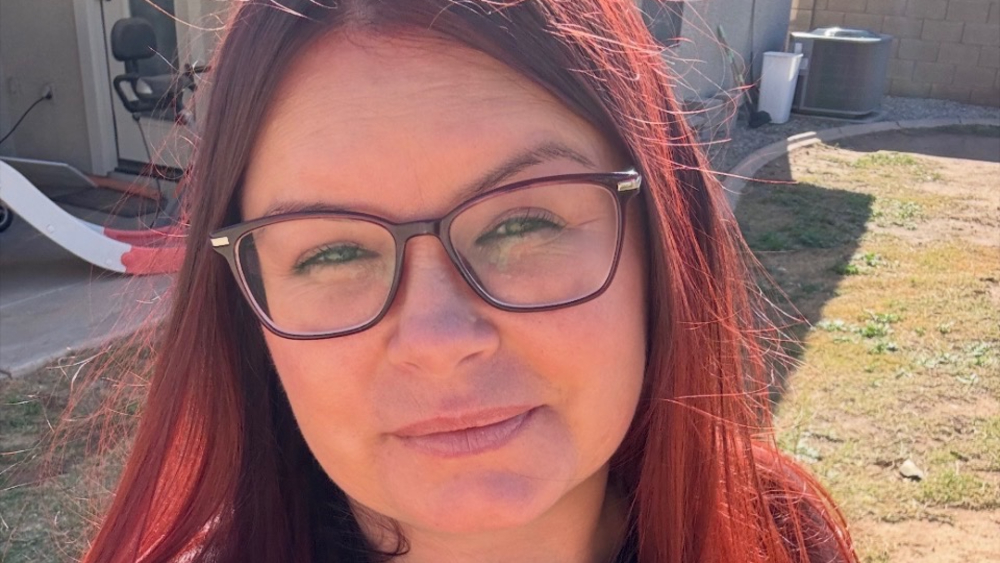
Provided by Jalonda Chesley
It was a brutal end to what had been a troubled life. My mom got pregnant as a teenager, and she had my four siblings and me in quick succession. I’m the only one who stayed with family — my grandma took me in to live with her in Glendale soon after I was born — while the rest were taken away into the system. Renata lived in downtown Phoenix, cycling in and out of the different hotels that used to line Grand Avenue, turning tricks and using meth and heroin. Occasionally, she’d sleep over at her boyfriend’s.
I always felt she wanted to be a good mother, but the reality was she came by infrequently and not always when she said she would. The last time I saw her was a few weeks before her birthday. She’d brought a client — a police officer — to my grandma’s house to service him. I tried to get her to put me to bed, but she wouldn’t. She took care of the officer instead. My grandma scolded her, telling her she’d regret that decision someday. She didn’t know when she’d next see me, my grandma said. She never did.
More than 33 years later, my mom’s murderer still hasn’t been caught. A photo of her sits on the Scottsdale Police Department’s website, the case unsolved. But I want answers. Most of what I know is from what I’ve read online and from what my grandma told me when I was growing up. I want to know what’s true and what’s not. I want to know who killed my mom.
The Scottsdale Police Department refuses to release its full report on her murder. I requested a copy of it, and after months of waiting, I received one photocopied page — a report form from the 1990s, with only the sparse details, such as my mom’s name and where she was found, written by hand. “The investigation is ongoing,” someone had written then.
I’ve pushed the department to do more. DNA analysis wasn’t widely used in the early ‘90s, so I asked Scottsdale police if they would run the DNA. A detective told me he’d look into it. But earlier this year, the department told me that it had found three different DNA samples at the scene — but they’d lost my mom’s. I told them my sister lived in Arizona and they could get a sample from her. The detective said they wanted to try different investigative routes. But I never heard back about DNA testing.
The last time I called, the department told me that no one is working on cold cases in Scottsdale right now — my mom’s included.
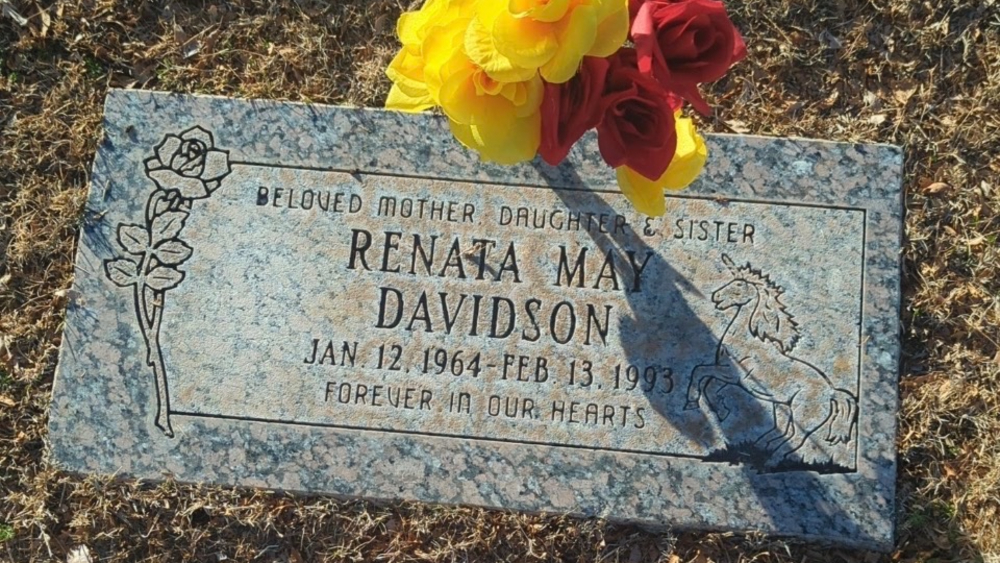
Provided by Jalonda Chesley
I’m desperate for anyone to move the ball forward on my mom’s case. I joined a true-crime group on Facebook, where we bounced around ideas on how to get more info and how to get in touch with the right people. I even went on a few podcasts to spread my mom’s story.
I need to know what’s in the police report so I can stop focusing on it. I want them to find who killed my mom. There’s a lack of interest, a lack of urgency. Are they ignoring her case because she was a sex worker? Her murder needs to be solved and the report needs to be released. I don’t care if they redact all of the names — I just want the details. I don’t want her report to sit neglected in a file. I want it out for the world to see.
For years after her murder, I was angry. I didn’t understand why she chose meth and heroin over me. But then as a teenager, I developed problems with addiction myself. I began to understand how difficult it was for her to manage the things she loved, drugs being one of them. I’m sober now, but my own struggles, which lasted into adulthood, helped me move on from being angry at her. Now I just want to know what happened.
Sometimes I look at the photo of my mom on the police department’s website. I assume it’s a mugshot from a prostitution arrest, because it isn’t one that I recognize. She looks so sad in it, which only aggravates the open wound of her murder. The mom I remember loved bowling and music. We listened to the Red Hot Chili Peppers and the Ramones together. She was far from perfect, but she was my mom.
Somebody murdered her more than 30 years ago, and I shouldn’t be the only one who wants to find out who.