
M. Leonard Photography/Getty

Audio By Carbonatix
Skywatchers won’t have to wait long for the new year to deliver its first awe-inspiring sight.
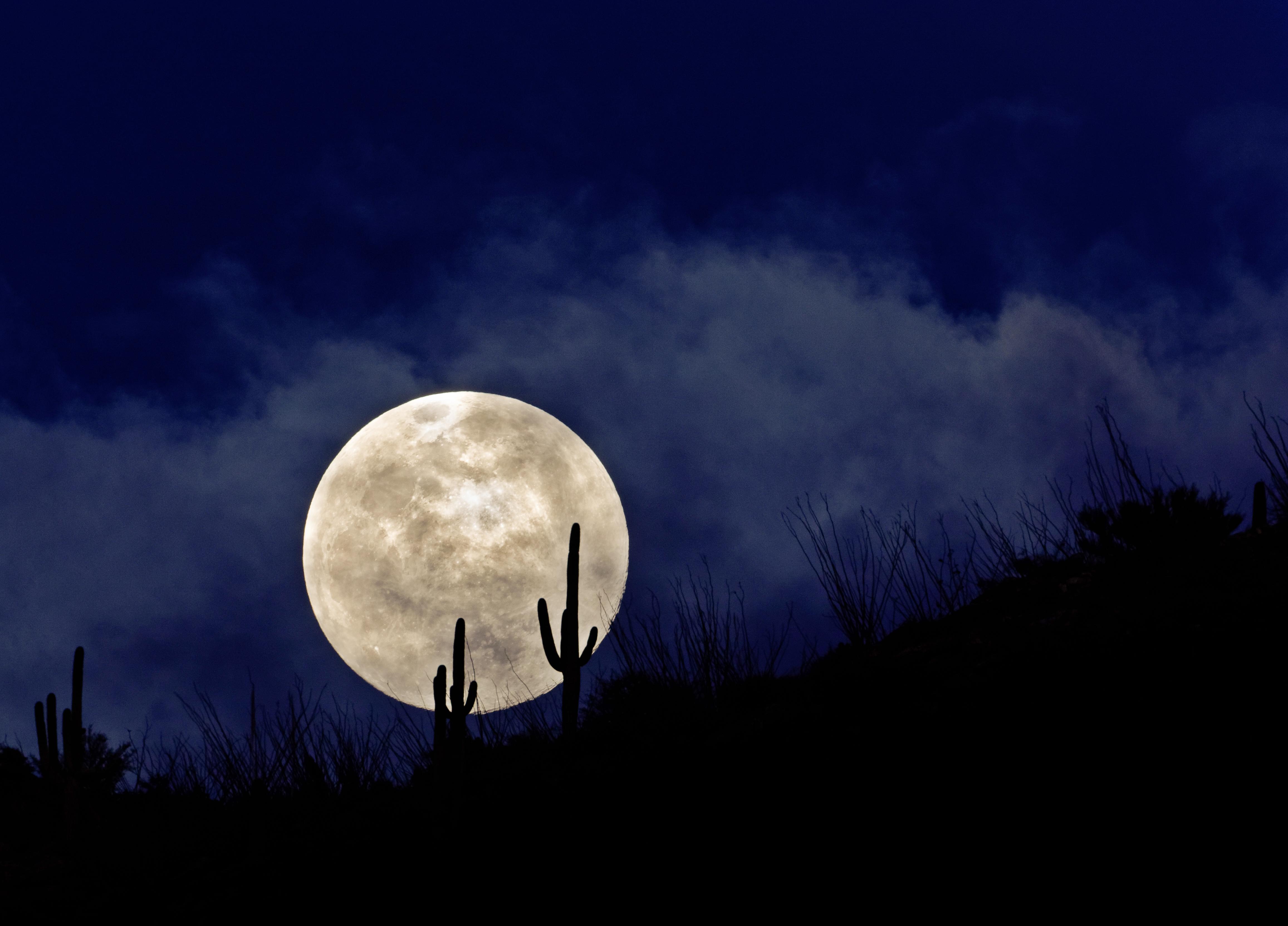
Arizona’s first supermoon of 2026 arrives Saturday night when the January full moon rises brighter than normal across the state. Also known as the Wolf Moon, the event will make it appear slightly larger in the sky as it makes a close pass by Earth.
It opens the year’s skywatching calendar with one of its most accessible lunar events. The moon’s size boost will be most noticeable just after sunset as it climbs above the horizon.
Cloud cover could complicate views in some areas, but even brief breaks in the clouds may be enough to spot the supermoon shining through.
Here’s everything to know about Arizona’s first supermoon of 2026, including when to look up, where to watch and why this full moon stands out.
Beth Woodrum/CC BY 2.0/Flickr
What time does the full moon rise in Arizona?
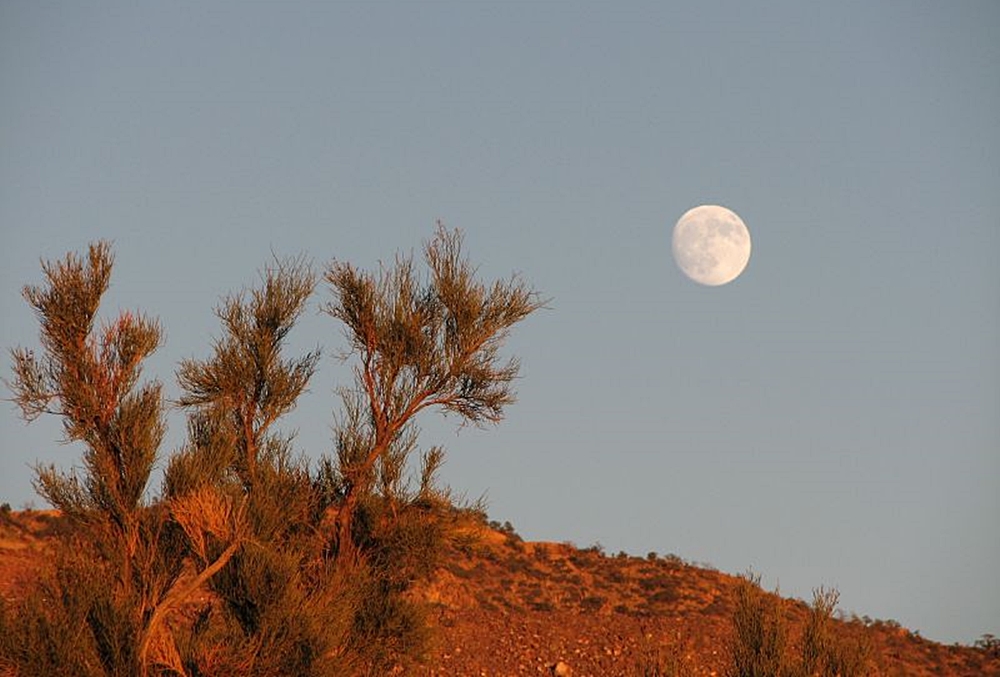
The January full moon rises at 4:04 p.m. Saturday in Arizona. Look toward the east to northeast just after sunset as the supermoon begins climbing into view.
When is the supermoon at its highest point?
The supermoon reaches its highest point in the sky at 11:26 p.m. on Jan. 3. It will sit high in the southern sky.
Where should you look to see the supermoon?
The best views come shortly after moonrise by facing east or northeast, especially with a clear horizon. Later in the evening, shift your gaze south as the moon climbs higher across the sky.
What are the viewing conditions for the supermoon in Arizona?
Viewing conditions Saturday night are a bit of a toss-up. Forecasts suggest skies may be partly to mostly cloudy in parts of Arizona, which could briefly obscure the moon but still allow for clear breaks as the supermoon rises.
Melanie Magdalena/Unsplash
What makes this full moon a supermoon?
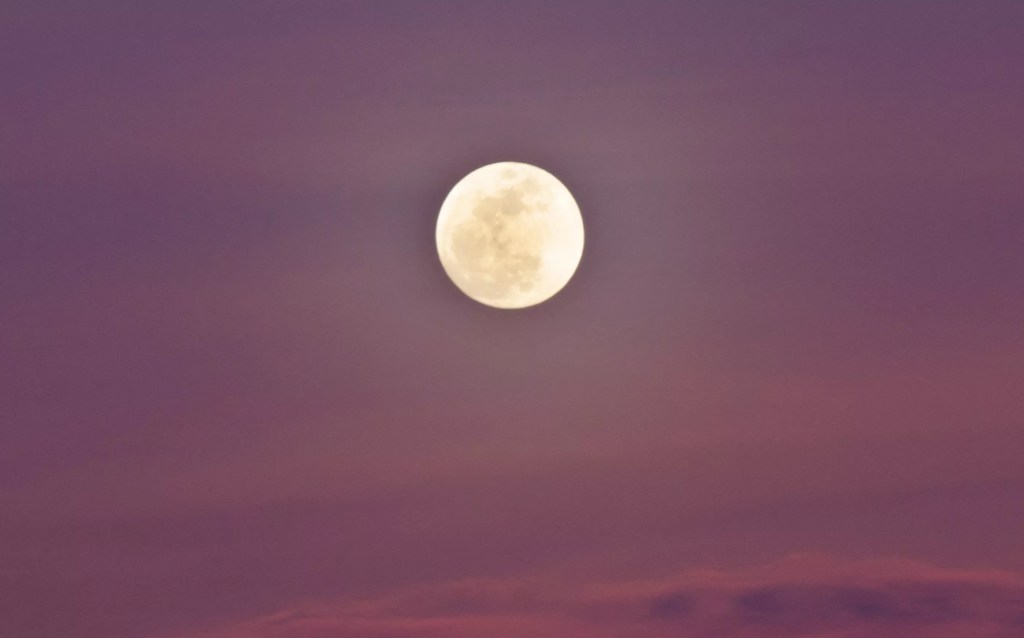
This full moon qualifies as a supermoon because it occurs near perigee, when the moon is closest to Earth in its orbit. That proximity makes it appear slightly larger and brighter than an average full moon.
Will the supermoon look noticeably bigger?
Yes. The size difference is subtle but real, with the effect most noticeable near the horizon at moonrise. It’s a mind trick known as the moon illusion where your brain is fooled when it’s lower in the sky. As a result, the moon’s brightness and scale tend to stand out more against buildings or mountains.
Do you need a telescope or binoculars to see the supermoon?
Nope. It’s easily visible to the naked eye and best appreciated by stepping outside and letting your eyes adjust to the night sky.
How much brighter will January’s supermoon be?
January’s supermoon will reach about 98% brightness, according to Time and Date. While that difference may sound small, it’s enough to make the full moon look noticeably brighter and more eye-catching than an average lunar cycle, especially at moonrise.
When are the supermoons in 2026?
Full moons that are also supermoons occur three times in 2026, on the following dates:
- Wolf Moon: Jan. 3
- Beaver Moon: Nov. 24
- Cold Moon: Dec. 23