
Photo by Jill Richards Photography

Audio By Carbonatix
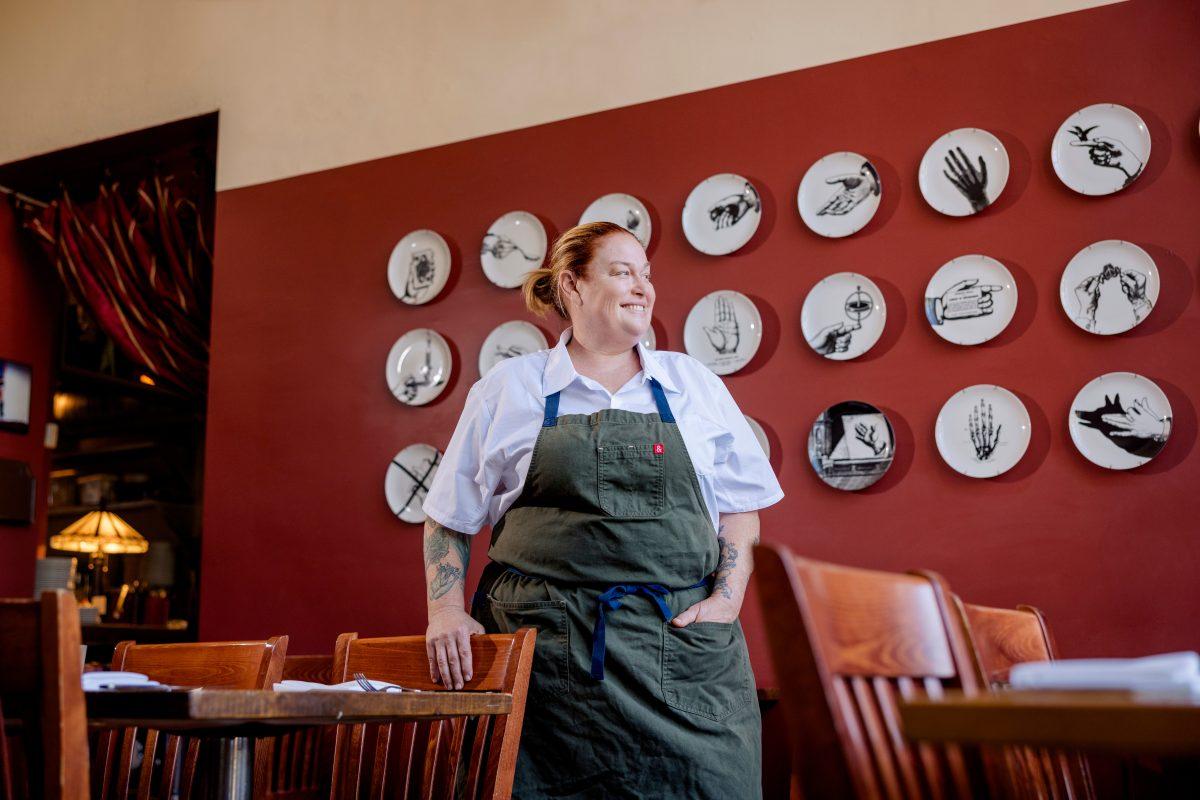
When Charleen Badman, chef and co-owner of FnB, boarded the flight from Phoenix to Las Vegas on Wednesday afternoon, she didn’t know whether her Scottsdale restaurant would earn a coveted Michelin Star at that evening’s ceremony.
But there were two things she was certain about. One was that she would be in Vegas for just 16 hours because she needed to return to helm dinner service the next evening.
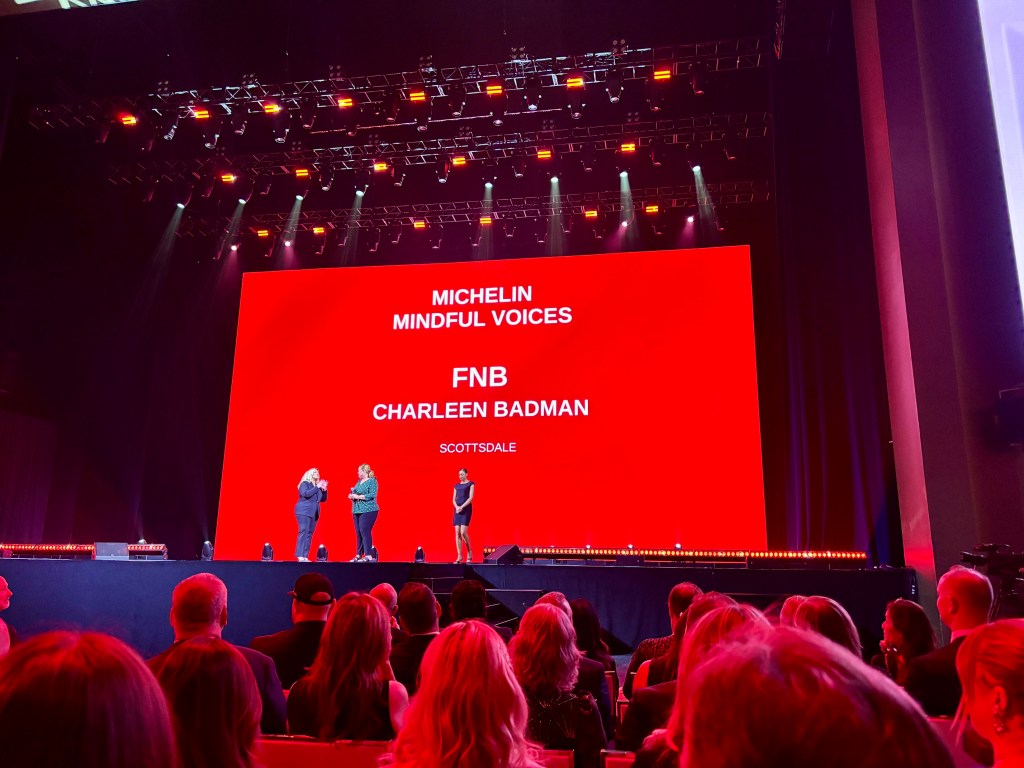
The other was that she would be one of Michelin’s first-ever Mindful Voices honorees.
The new platform highlights individual people who are going above and beyond, pioneering new initiatives and inspiring others in gastronomy, hospitality and wine.
The Mindful Voices recognition made its debut this summer with the Nordic Guide and will gradually roll out globally. It replaces the Green Star, which recognized restaurants’ sustainable gastronomy and environmental practices.
Unlike Michelin stars, Mindful Voices focuses on individuals rather than restaurants. But Badman doesn’t see it that way. In speaking with Phoenix New Times about the recognition, she only used “we,” and never “I” or “me.”
When asked to clarify that the honor was going to her and not FnB, she hesitantly confirmed.
“While I do receive the honor, it obviously takes a lot of people to make things happen,” Badman says. “I know I’m the one that gets recognized, but it comes back to the fact that there’s a lot of people who share my ideas. It’s a huge effort to do what we do, and everybody deserves the recognition.”
Tirion Boan
Sustainability as a means to ‘a better Arizona’
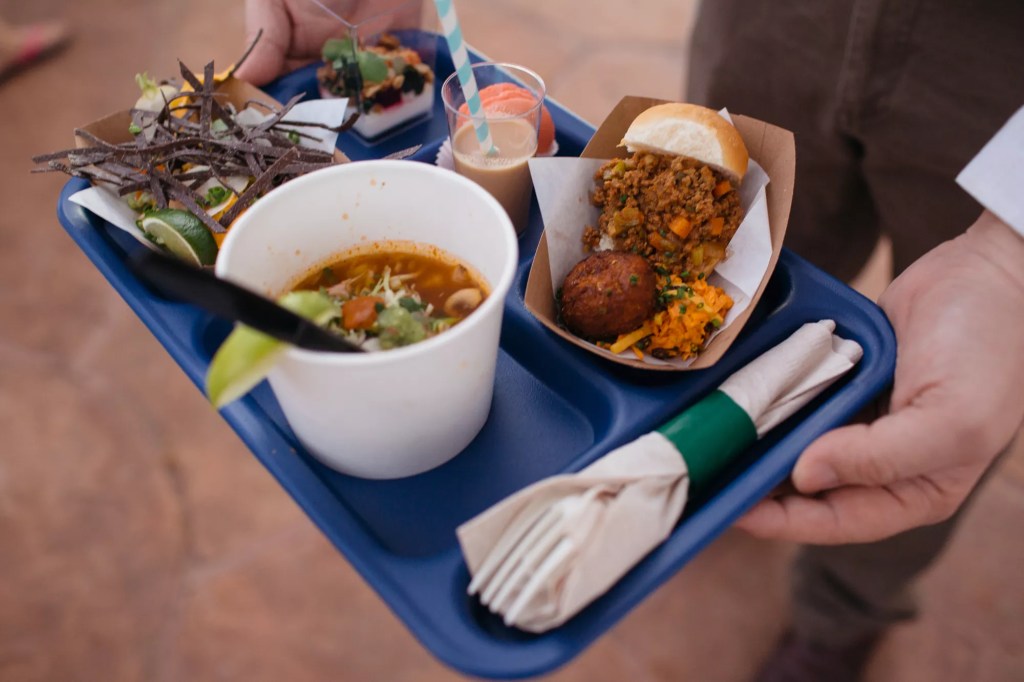
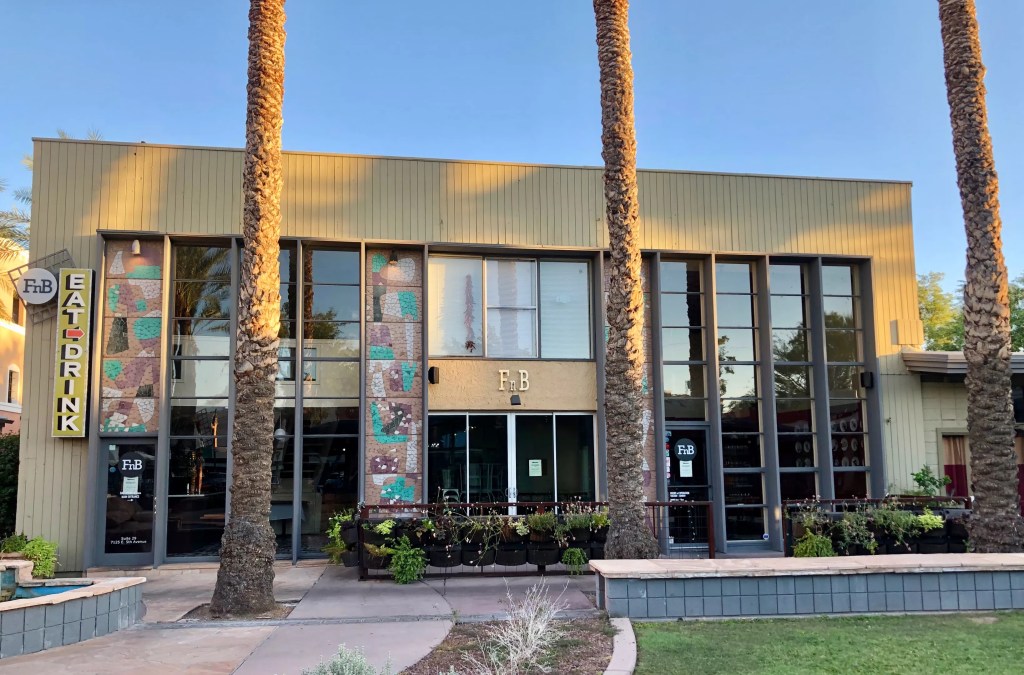
In addition to crafting creative vegetable-forward plates with Arizona-grown ingredients, the James Beard Award-winning chef pushes sustainability practices at the acclaimed Old Town restaurant she owns with business partner Pavle Milic.
When Michelin sent her a series of questionnaires revolving around sustainability, Badman just kept answering, unsure of where this would lead. Eventually, she received an email telling her exactly where.
These green measures include simple practices like turning off lights and air conditioning when they are not needed or being conscious of water usage, and considering whether something can be composted instead of going into the garbage.
Others take thought and planning. It’s not enough to compost, but there must be a destination for that compost. And instead of the traditional industry practice of burning the ice – pouring hot water over ice to melt it quickly so it can be easily discarded – Badman’s team sets that ice at the base of a tree.
Farmer Mike O’Connor, owner of Ocotillo Farm, delivers his chickens to FnB. He goes through the compost and takes what he can feed his chickens, which means the restaurant often feeds the poultry that comes back to Badman.
O’Connor also sends the chef photos of produce that he or neighboring vendors are not able to sell at the farmers market and asks if she wants them. Most of the time the answer is “yes.”
“I think of those things constantly,” Badman says. “And how we can be a positive part of a community that is like-minded and wants to see a better place, a better Arizona.”
How Badman uses local produce in original and resourceful ways has put her and her dishes in the Arizona culinary spotlight. In addition to her personal award, Badman earned a second recognition in Las Vegas, as FnB earned a Bib Gourmand distinction.
However, Lori Hashimoto, chef and owner of Hana Japanese Eatery and a longtime friend of Badman, says her dedication goes beyond what is placed on dinner plates.
“It’s not what she does in a really hot kitchen on a Saturday night. It’s her vision, how she sees the world and how she wants everyone to be interconnected so we can all help each other,” Hashimoto says.
Hashimoto, a James Beard Award semifinalist herself, talks about Badman’s grace and humility amid the notoriety and accolades. Helping to open doors for farmers who aren’t on most chefs’ radars because they are located in rural or hard-to-reach parts of the state is her way of making room for others in her limelight.
“She will go to the edges of Arizona to look for ingredients to be able to showcase what Arizona is,” Hashimoto says of the Tucson native. “It’s truly about being a supporter… It’s about having Arizona in your heart.”
Chris Malloy
Blue Watermelon Project’s ‘ground-level influence’
In addition to sustainability, Michelin’s questionnaires addressed Blue Watermelon Project, the nonprofit Badman founded in 2016.
The project brings together local chefs, farmers and food advocates to address unhealthy eating patterns and childhood hunger, and educate the next generations about how food is grown, harvested and transformed into deliciousness on a plate.
Over the last 10 years, Blue Watermelon Project has grown to partner with 50 schools in four counties throughout Arizona. Its programs reached more than 5,000 students, according to its 2025-2026 annual report.
Badman started Blue Watermelon at Scottsdale’s Echo Canyon School with the first Chef in the Garden program, where she planted a garden and taught kids how to cook with their harvests.
Pastry chef and Tracy Dempsey Originals founder Tracy Dempsey has been a volunteer chef with Blue Watermelon since year one, and was at the most recent event held at Echo Canyon, right before the school closed in May.
Here, Dempsey met students who had participated from the beginning, along with their parents. They told Dempsey how the project influenced their decisions, from career planning to deciding what to eat. She recalls children as young as 6 and 7 years old eating kale pesto with ricotta and roasted strawberries saying, “This is the best kale I’ve ever had in my life!” Some even asked for seconds.
“That right there is ground-level influence that Charleen’s project has had,” Dempsey says. “I think those kids are going to grow up with this idea about what food is, what food can be, trying new foods and eating with health and sustainability in mind.”
Dempsey has seen the nonprofit grow through the number of participating schools, attendees at its major fundraiser in January and people and organizations that want to get involved.
“It gives me goosebumps to think about it. It’s so cool,” Dempsey says, wholeheartedly agreeing with Michelin’s decision to deem Badman worthy of an inaugural Mindful Voices award. “I can’t think of a better candidate for that. She’s so passionate, and I think it’s fantastic.”
Lauren Cusimano
Getting back to business
Badman is excited to see Arizona restaurants finally get a piece of the Michelin Guide pie. It’s not necessarily about getting stars; it’s about putting the state’s establishments and chefs on more radars worldwide, she says. Hopefully this will give them a much-needed boost during the summer lulls, especially for independent restaurants like hers.
While the Michelin fete was held in a 24/7 party town, it wasn’t a late night for Badman.
Although her inbox was full of invitations to after-parties, Badman’s most extravagant plan included grabbing a quick bite and a simple nightcap with her FnB partner Milic.
Both had seats on a 6 a.m. flight back to Phoenix so they could prep and be in place for dinner service on Thursday.
“We’ve both got to get back to work,” Badman said, “put our heads down, do the best we can and make great food.”