Arizona State University/Chandler Museum

Audio By Carbonatix
Chandler Museum’s current “Radio That Rocked the Valley” exhibition makes the case that the plug won’t be pulled on Phoenix radio anytime soon.
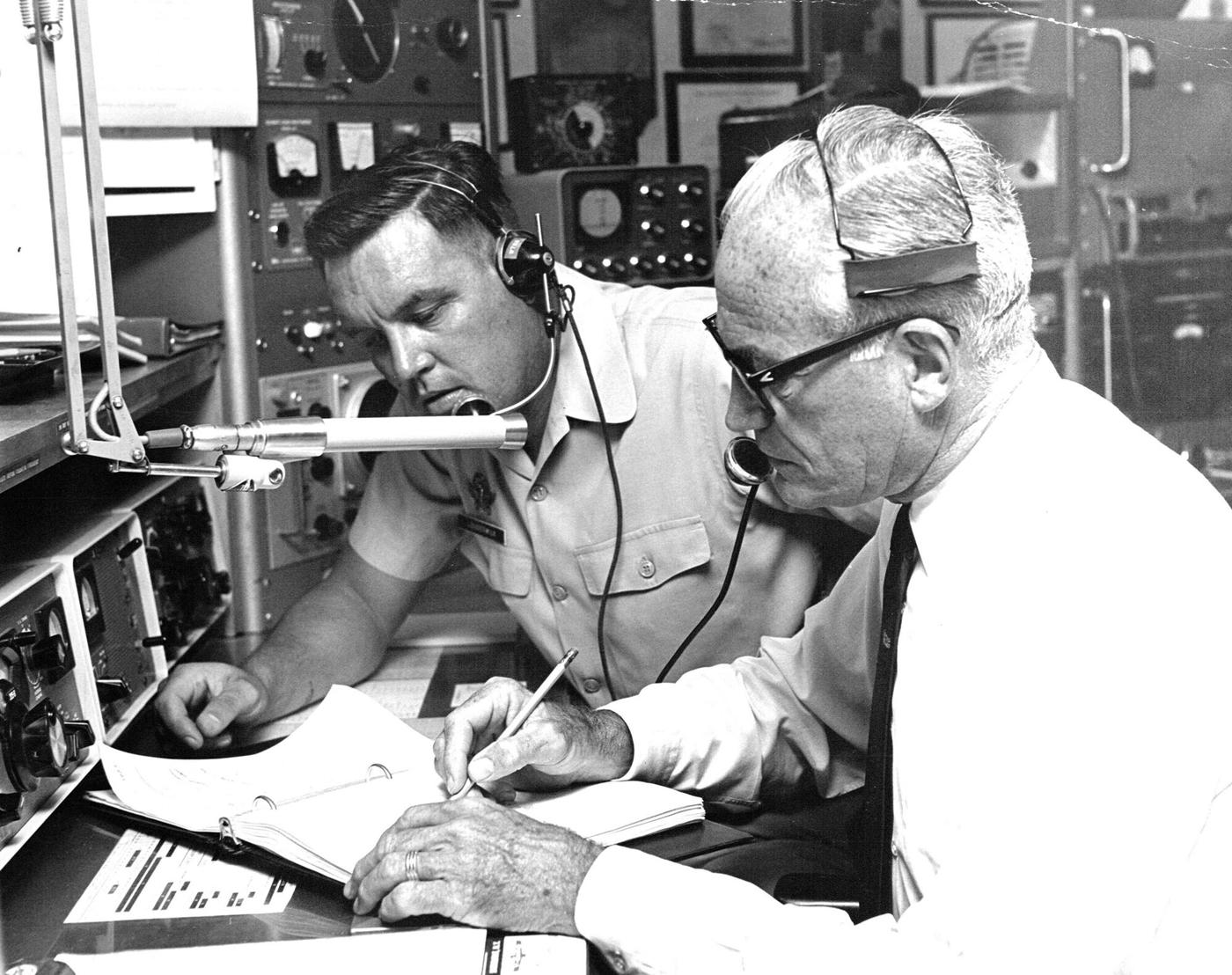
The exhibit, on display through Sept. 27, explores local broadcasting over the last century through legendary stations like KRUX, KOY and KZZP, tracing how the medium evolved from primitive AM broadcasts of the 1920s into a soundtrack for generations of Valley listeners.
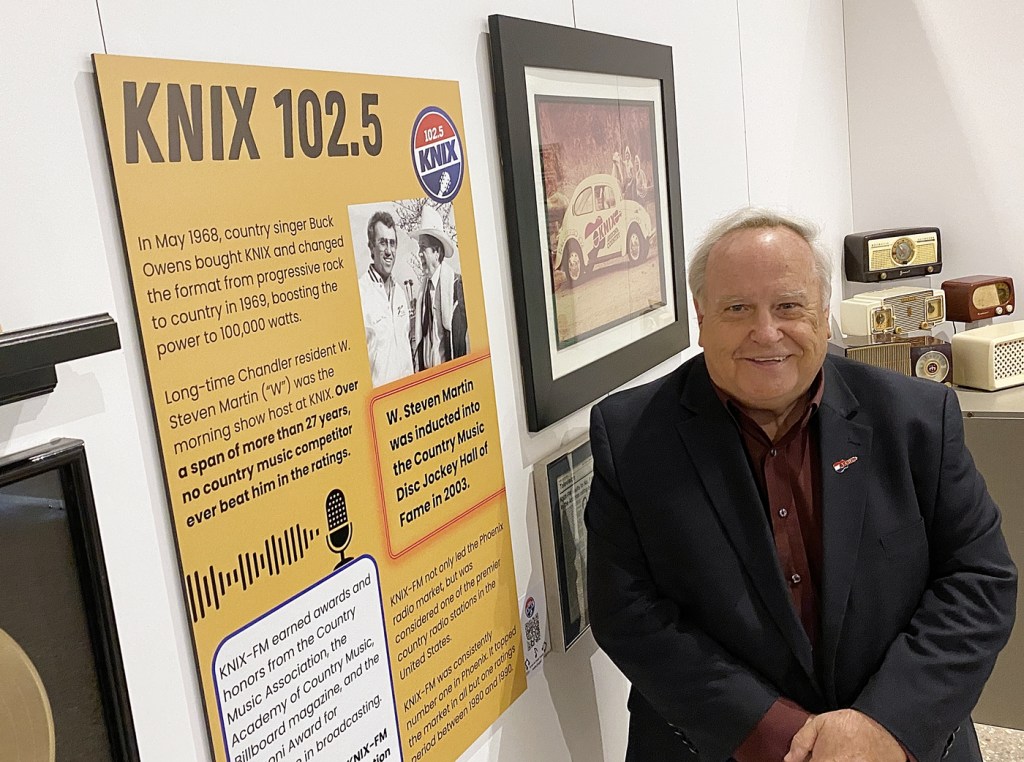
Veteran Arizona broadcaster Jim West, formerly a longtime DJ with KNIX, says the exhibition illustrates how radio has reinvented itself over the decades and tastes and technology have changed.
Benjamin Leatherman
“It’s showing the history of radio, not only in Phoenix, but in general, showing you what it was like back in the day and what it became over the years,” West says.
Even in the age of streaming, West says terrestrial radio still serves a purpose, particularly during daily commutes for listeners without access to Spotify.
“It evolves, but the audience is still there. A lot of people still listen in the car on their daily commutes,” West says. “It’s still a relevant format and medium. However, it’s changed and will continue to change.”
Benjamin Leatherman
Rewinding a century of Phoenix radio history
“Radio That Rocked the Valley” packs decades of Phoenix broadcasting history into Chandler Museum’s main gallery.
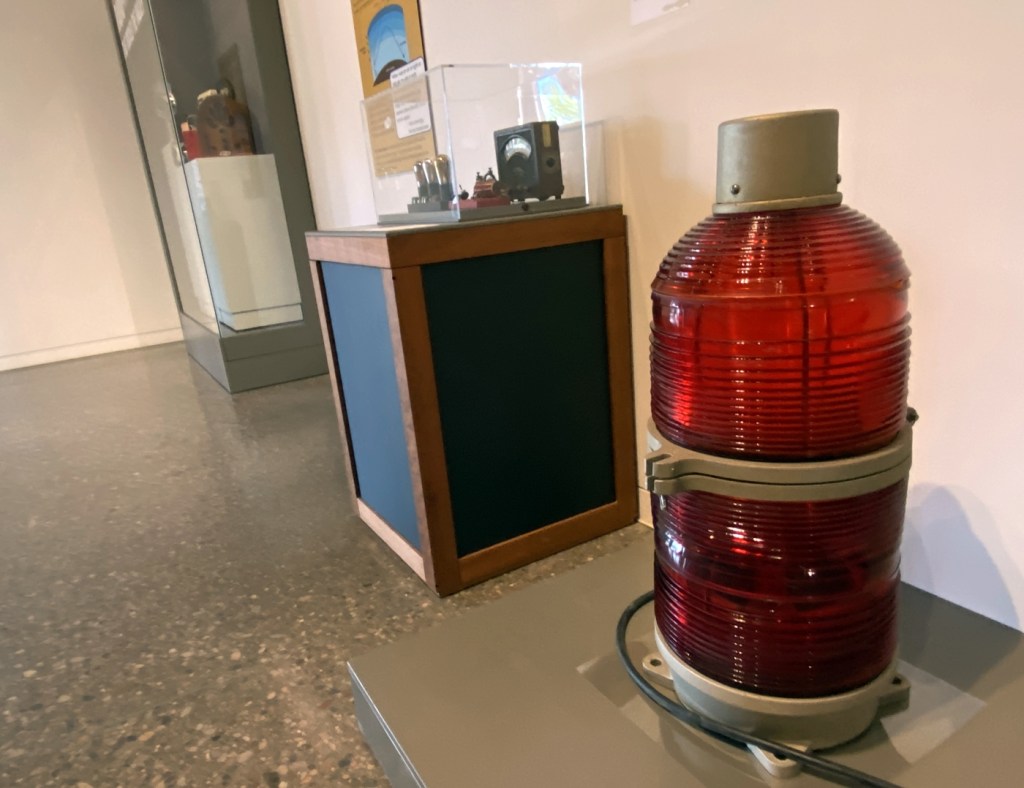
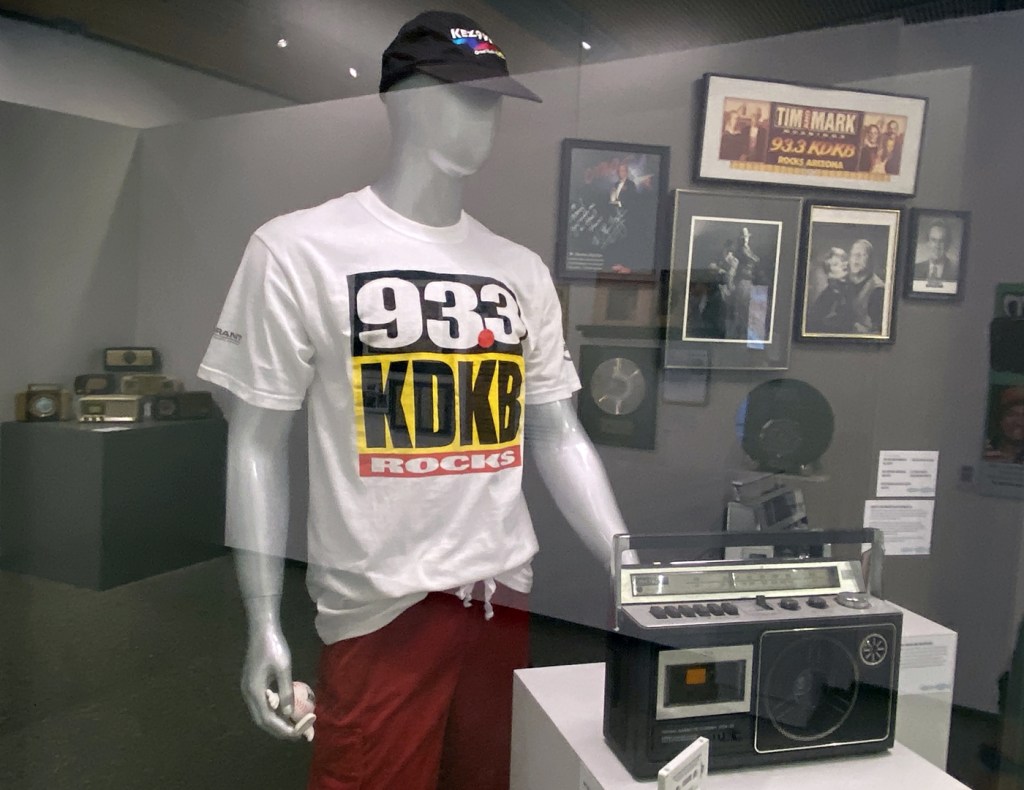
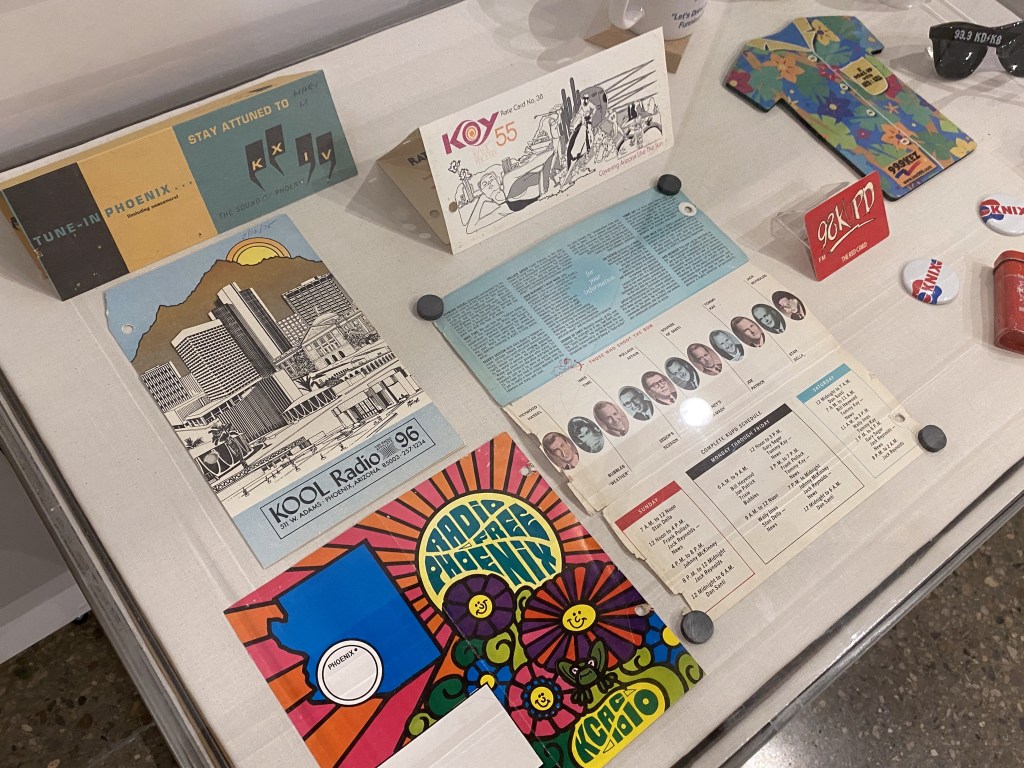
The exhibition is a deep dive into local artifacts: vintage radios, microphones and technical equipment; colorful station memorabilia and promotional items; gold records and spools of reel-to-reel tape; even a warning light from a broadcasting tower atop South Mountain.
Displays highlight iconic stations from the Valley radio dial, like long-running rock powerhouse KUPD and country music king KNIX, both of which are currently on the air.
Influential stations that helped shape Phoenix are also featured, including such defunct broadcasters as KRUX and KRIZ. Another display showcases the history of KFIN, Arizona’s first Spanish-language station that operated at 860 AM from 1952 until the 1980s.
Benjamin Leatherman
Local personalities like veteran Arizona broadcaster Pat McMahon, best known for his appearances on “The Wallace and Ladmo Show,” and longtime rock deejay Dave Pratt are highlighted.
A majority of the exhibition’s artifacts are hewn from the archives of the House of Broadcasting, the Scottsdale-based nonprofit celebrating and preserving Arizona television and radio history that partnered with Chandler Museum.
West, a House of Broadcasting board member, says the nonprofit has staged similar exhibits at local museums. “Radio That Rocked the Valley” is the largest so far.
“We’re showing people a lot of the history of local radio that they might not be aware of,” West says. “It goes way back to the earliest days of broadcasting in the Valley.”
Benjamin Leatherman
Why radio is still viable in Phoenix
West says “Radio That Rocks the Valley” is more than just a trip down memory lane. It also illustrates how the medium has evolved over the years from the analog consoles and mixing boards that are part of the exhibit have given way to the all-digital setup of modern-day stations.
“You can see the progression of technology,” West says. “Today, obviously, everything has changed and every radio station in the country operates with computers and digital gear,” West says. “The evolution of the business is crazy.”
Radio is still a viable format, even as listenership is nowhere near the heights of era before streaming became ubiquitous. More than 90% of adults in the U.S. still listen to radio each month, according to a 2025 study by Nielsen.
“A lot of radio and TV (stations) nationwide have been downsizing these days and things are constantly changing,” West says. “Radio is still relevant in America. It’s not going to go away, because a heck of lot of people are still listening.”
“Radio That Rocked the Valley”: 10 a.m. to 5 p.m. Tuesday through Saturday and 1 to 5 p.m. Sunday until Sept. 27. Chandler Museum, 300 S. Chandler Village Drive, Chandler. Admission is free.